






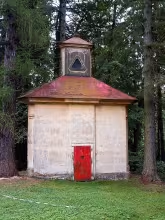
The Chapel of the Holy Trinity in Ohařice is a small yet significant Baroque structure located on the outskirts of the village Ostružna, within the Královéhradecký region. Constructed in 1690, this chapel stands as a testament to the rich cultural and architectural heritage of late 17th-century Bohemia, then part of the Habsburg Monarchy. Its distinctive triangular form, lantern roof, and Baroque elements make it notable among Czech historical monuments.
The chapel's origins are rooted in the late 17th century, a period marked by significant Baroque cultural and architectural development across Europe, particularly influenced by Catholicism's Counter-Reformation efforts. During this time, Bohemia experienced a flourishing of religious art and architecture, reflecting broader European trends. Built in 1690, the Chapel of the Holy Trinity embodies these stylistic influences with its triangular form and lantern roof.
Architecturally, the chapel is characterized by its Baroque style, evident in its use of pilasters, pronounced cornice, and a distinctive triangular lantern roof. This small, three-sided structure features identical walls adorned with concave pilasters at each corner. The entrance is marked by a risalit with metal doors, adding to the chapel's unique architectural identity. These elements are typical of Baroque architecture, emphasizing symmetry, grandeur, and detailed ornamentation.
While specific details about its ownership and administration over time remain undocumented in available sources, the chapel has been recognized as an important cultural monument. It is listed in the Central List of Immovable Cultural Monuments of the Czech Republic under the registry number 37097/6-1307, highlighting its significance within the nation's heritage.
Today, the Chapel of the Holy Trinity remains a point of interest for visitors exploring the rural landscapes of the Královéhradecký region. Its historical and architectural value makes it worth visiting, offering insights into the Baroque period's influence on Czech religious architecture. Accessible via a path leading from Ostružna to Štidly, the chapel invites those interested in history and architecture to appreciate its enduring legacy.
The Chapel of the Holy Trinity stands as a remarkable example of Baroque architecture, reflecting the cultural and historical context of 17th-century Bohemia. Its preservation allows visitors to connect with the past and appreciate the artistic achievements of that era. As such, it remains an inviting destination for those seeking to explore the rich tapestry of Czech history and culture.
Historical milestones
- 1690
- Výstavba Kaple Nejsvětější Trojice v Ohařicích.
- konec 17. století
- Rozkvět barokní architektury a umění v Čechách.
Architectural development
The chapel was constructed in 1690, reflecting Baroque architectural elements such as its triangular form and lantern roof. The use of pilasters and a pronounced cornice are characteristic of the period's style.
Points of interest
- The Chapel of the Holy Trinity's triangular form is unique among Czech Baroque chapels, symbolizing the Holy Trinity and reflecting a creative architectural solution to religious symbolism.
- Legend has it that during its construction in 1690, local villagers reported seeing mysterious lights around the chapel site at night, believed by some to be divine guidance for the builders.
- Originally, the chapel was intended as a pilgrimage site, but due to its remote location and lack of documentation, it never became widely known or frequented by pilgrims.
Guide
Show guide text
Welcome to the Chapel of the Holy Trinity in Ohařice, a remarkable testament to Baroque architecture nestled on the outskirts of Ostružna village. As you stand here, take a moment to absorb the serene atmosphere surrounding this small yet captivating structure. Its three-sided form stands out against the landscape, inviting you into its historical embrace.
Constructed in 1690 during the flourishing period of Baroque art and architecture in Czechia, this chapel was built at a time when religious symbolism and architectural creativity were deeply intertwined. While the architects remain unknown, their work here speaks volumes about the era's artistic aspirations.
As you look around, notice the distinctive triangular lantern roof—a unique feature among Czech Baroque chapels—symbolizing the Holy Trinity. This creative design choice not only serves an aesthetic purpose but also reflects a profound religious symbolism. The chapel’s identical walls are adorned with concave pilasters at each corner, adding to its harmonious symmetry.
The entrance, marked by a risalit with metal doors and topped with a pronounced cornice, invites you into this tranquil space. Though we can't explore inside today, the exterior alone offers much to admire and ponder upon.
Legend whispers of mysterious lights seen during its construction in 1690, adding an aura of mystique to this already enchanting site. Such tales remind us that history is often as captivating as it is factual, inviting curiosity and imagination.
As we conclude our brief visit, I encourage you to linger a little longer, perhaps walk around the chapel, and let your mind wander through its historical layers. The Chapel of the Holy Trinity in Ohařice is not just an architectural marvel but also a portal into the past, offering insights into the cultural and spiritual life of 17th-century Czechia.
Thank you for joining me today. I hope this experience has inspired you to explore more such hidden gems that tell their own unique stories. Safe travels on your journey through history!
Tips for visitors
The best time to visit the Chapel of the Holy Trinity in Ohařice is during late spring or early autumn, when the weather is mild and pleasant for walking. These seasons offer vibrant natural scenery with blooming flowers and colorful foliage, enhancing your experience as you explore the chapel's surroundings. Additionally, visiting outside peak summer months helps avoid crowds, providing a more serene atmosphere to appreciate the chapel’s Baroque architecture.
Parking near Ohařice is limited; however, there are spots available in nearby villages such as Ostružna. For those preferring public transport, you can access the area via local bus services or by taking a train to a nearby station and continuing on foot or by bicycle. It's advisable to check current transportation options online before your visit to ensure smooth travel arrangements.
When visiting the chapel, it’s recommended to bring comfortable walking shoes as there is a path leading from Ostružna through rural landscapes to reach the site. Additionally, consider bringing a camera for capturing the picturesque views and architectural details of the chapel. A light jacket or sweater might be useful due to variable weather conditions in the region.
For photography enthusiasts, the best spots are around the chapel itself, where you can capture its unique triangular lantern roof against the backdrop of the rural landscape. Early morning or late afternoon provides soft lighting ideal for photographs. Additionally, exploring the path leading up from Ostružna offers varied angles and natural light conditions that highlight the area's beauty.
Nearby attractions within a 30-minute walk include the village of Štidly, which offers charming rural scenery and an opportunity to explore local culture. The surrounding landscapes are perfect for nature walks or cycling, allowing visitors to immerse themselves in the tranquility of the Královéhradecký region. These activities can be particularly enjoyable for families with children looking for a peaceful day out.
Businesses nearby
Do you run a restaurant, accommodation, shop, museum, rental, wellness or other visitor service near this monument? Show yourself directly to the people heading to it — this is how they will see you in the app and on the web:
Nearby
The chapel is situated near Ostružna, with access via a path leading to Štidly. The surrounding area includes typical rural landscapes of the Královéhradecký region.
Accommodation nearby
Themed route
Tematická Výletní Trasa: Kaple Nejsvětější Trojice (Ohařice) a Okolí
1. Kaple Nejsvětější Trojice (Ohařice) *Typ:* Religiózní památka *Proč stojí za návštěvu:* Tato kaple, nacházející se v malebné obci Ohařice, je přitažlivým místem pro ty, kteří mají zájem o historii a architekturu. Její jednoduchost a klidná atmosféra nabízí únik od každodenního života a poskytuje vhled do duchovního dědictví regionu.
2. Cesta k Štidlům *Typ:* Přírodní chodník *Proč stojí za návštěvu:* Tato cesta vede z kaple Nejsvětější Trojice směrem k Štidlům, nabízejíc krásné pohledy na typické venkovské kraje Královéhradeckého kraje. Je to ideální místnost pro návštěvníky, kteří si užívají chůzi a chtějí se ponořit do klidné přírody.
3. Ostružna *Typ:* Místní obec *Proč stojí za návštěvu:* Ostružna, blízké kapsle Nejsvětější Trojice, je známá svou přátelskou komunitou a tradičním životem. Navštívte toto místo pro poznání místního způsobu života a užijte si klidný oddech v jeho malebném prostředí.
4. Pohledy na venkovské kraje *Typ:* Přírodní panoramatická místa *Proč stojí za návštěvu:* Během cesty mezi kaplí a Ostružnou můžete užít pohledy na rozlehlé polní krajiny. Tato oblast nabízí příležitosti pro fotografii a relaxaci, což je ideální způsob, jak si všimnout krásy venkovského prostředí Královéhradeckého kraje.
Tato trasa nabízí kombinaci duchovního pohledu na kapli Nejsvětější Trojice a přírodních krás okolní oblasti, což ji činí ideálním výletem pro různé typy návštěvníků.
Seasonal recommendations
Spring: Visiting the Kaple Nejsvětější Trojice during spring offers a unique experience as nature awakens around this historic chapel. The surrounding landscape is adorned with blooming flowers and lush greenery, creating an idyllic backdrop for your visit. While the weather can be unpredictable, with occasional showers bringing out vibrant colors in the foliage, it's advisable to wear layers that you can adjust according to changing conditions. Early mornings or late afternoons are ideal times to explore when the light is soft and shadows add depth to the chapel’s architecture, while also avoiding larger crowds.
Summer: Summer brings a lively atmosphere to the Kaple Nejsvětější Trojice in Ohařice, with longer daylight hours allowing for extended exploration. The warm weather encourages visitors to enjoy outdoor spaces around the chapel, where picnics and leisurely walks are popular activities. With the peak tourist season underway, it's best to arrive early in the morning or later in the afternoon to avoid crowds. Comfortable walking shoes and light clothing are recommended due to the heat, along with sunscreen and a hat for protection against the sun.
Autumn: The autumnal visit to Kaple Nejsvětější Trojice is marked by stunning displays of fall foliage that enhance the chapel's historic charm. The cooler temperatures make it an ideal time for photography enthusiasts looking to capture the rich, warm colors of the surrounding landscape. As the days shorten, planning your visit in the morning ensures you have ample daylight to fully appreciate both the interior and exterior beauty of the site. Layered clothing is advisable to accommodate fluctuating temperatures throughout the day.
Winter: Winter transforms Kaple Nejsvětější Trojice into a serene destination with its snow-covered surroundings creating a picturesque scene. The cooler climate may lead to shorter opening hours, so it's wise to check in advance and plan accordingly. Visiting during weekdays can help avoid larger groups that might gather on weekends. Dress warmly in layers, including thermal wear and waterproof boots, as temperatures can drop significantly, especially in the early mornings or late evenings. Despite the chill, the quiet atmosphere offers a peaceful experience for reflection and appreciation of the chapel’s architectural details.
Visualizations and artistic views


Vizualizace jsou generovány umělou inteligencí a slouží jako inspirace.


Tips from visitors
No tips yet. Be the first!
Log in and add your tip.




Reviews and comments