






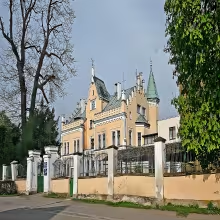
Zámek Hlušice stands as a prominent cultural monument in the village of Hlušice, located in the Královéhradecký kraj region of the Czech Republic. This single-story castle features symmetrical new Gothic architecture and is easily visible from the road leading to Janovice. Recognized for its historical significance since 1964, Zámek Hlušice offers a glimpse into the architectural evolution and cultural history of the area.
The origins of Hlušice trace back to the younger Stone Age, with the first documented mention of the village appearing in 1322. The Renaissance chateau on this site was constructed by Albrecht Kapoun ze Svojkova between 1557 and 1569. Following its damage during the Thirty Years' War, ownership passed through several noble families including the Kinští, Valdštejnové, and Martinicové. By the turn of the 17th and 18th centuries, a new early baroque castle emerged from the remnants of Kapoun's chateau. In 1743, the Collored family acquired Hlušice and commissioned a baroque chapel dedicated to Saint Barbara in 1749. The original structure was demolished due to disrepair in 1789.
The architectural landscape of Zámek Hlušice underwent significant changes when Martin Waagner purchased the estate in 1834. His son, Jakub Waagner, commissioned architect Eduard Halla to design a new Gothic-style castle in 1852 on the site of the demolished original. This structure features a central recessed risalit topped with a steep gable and clock face, while its sloping roofs are adorned with brick stepped gables. Despite some modern alterations that have partially detracted from its original style, the castle remains an important historical site.
Ownership of Zámek Hlušice transitioned to the Czernin family in 1899 when Děpold Josef Czernin acquired it. The chapel was transformed into a church dedicated to Saints Wenceslas and Barbara between 1903 and 1904. During World War II, the castle was confiscated but returned to the Czernin family after 1989. Today, it serves as an educational facility for Střední škola technická a řemeslná.
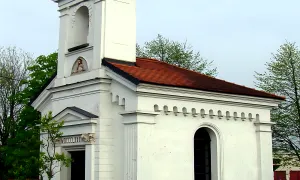
Adjacent to the castle is a church situated approximately 50 meters from its eastern side. This simple oblong structure features rounded corners and a gable frontage. Originally part of an English-style park that included an enclosure and pheasant run, the area has been partially disrupted by modern constructions.
Zámek Hlušice offers visitors a unique opportunity to explore a site rich in history and architectural evolution. Its significance is rooted not only in its past but also in its current role as an educational institution. Visitors are invited to experience this remarkable monument and appreciate its enduring legacy within the Czech cultural landscape.
Historical milestones
- 1322
- First written record of the village Hlušice.
- 1778
- Emperor Joseph II stayed at the castle during the War of Bavarian Succession.
Architectural development
Zámek Hlušice underwent significant architectural changes over its history. Initially a Renaissance chateau built by Albrecht Kapoun, it was transformed into an early baroque structure at the turn of the 17th and 18th centuries. In 1852, Jakub Waagner commissioned Eduard Halla to design a new Gothic-style castle on the site of the demolished original. The castle's architecture has been partially altered with modern additions.
Historical events
In the late 17th century, a new early baroque castle was constructed on the site of an old chateau.
During the War of Bavarian Succession in 1778, Emperor Joseph II reportedly stayed at the castle for six weeks.
The original castle was demolished due to disrepair in 1789.
Owners
Albrecht Kapoun ze Svojkova (1557-1569)
Kinští
Valdštejnové
Martinicové (from 1730)
Colloredové (purchased in 1743)
Waagner family (purchased by Martin Waagner in 1834, son Jakub built the new castle in 1852)
Czernin family (purchased by Děpold Josef Czernin in 1899)
Confiscated during WWII
Returned to Czernin family post-1989
Points of interest
– The castle's architectural journey reflects a unique transition from Renaissance to early Baroque and eventually to new Gothic styles, showcasing the evolving tastes and influences over centuries. – Despite its historical significance, the original chapel dedicated to Saint Barbara was demolished in 1789 due to disrepair, highlighting challenges in maintaining such structures through time.
Guide
Show guide text
Welcome to the historical site of Zámek Hlušice, nestled in the picturesque village of Hlušice within the Královéhradecký kraj region. As you stand before this majestic structure, take a moment to absorb its grandeur and architectural beauty. The castle presents itself with a symmetrical new Gothic facade that immediately captures your attention. Notice how it stands as a single-story building, featuring a central recessed risalit crowned by a steep gable and an elegant clock face. Its sloping roofs are adorned with brick stepped gables, adding to its distinctive charm.
Let's delve into the origins of this remarkable site. The first written record of Hlušice dates back to 1322, marking the village’s long-standing historical significance. Over time, Zámek Hlušice became a focal point for various cultural and political events. One notable moment in its history occurred in 1778 when Emperor Joseph II stayed at the castle during the War of Bavarian Succession.
As you continue to explore the architectural nuances of this site, pay attention to how it reflects a fascinating transition through different styles. Originally influenced by Renaissance elements, the castle evolved into early Baroque and eventually embraced new Gothic architecture. This evolution showcases the changing tastes and influences that have shaped its design over centuries. Despite some alterations that have partially obscured its original style, Zámek Hlušice remains an important cultural monument.
Several key figures are intertwined with the history of this site. Albrecht Kapoun ze Svojkova, along with Martin Waagner, Jakub Waagner, and Děpold Josef Czernin, played significant roles in its development and legacy. Their contributions have left an indelible mark on the castle's storied past.
Now, let me share a captivating detail that adds to the intrigue of Zámek Hlušice. The castle once housed a chapel dedicated to Saint Barbara, which has since been demolished. This piece of history invites us to ponder the transformations and stories embedded within its walls over time.
As you immerse yourself in this historical journey, I encourage you to continue exploring every corner of Zámek Hlušice. Let your imagination wander through its halls and envision the lives that once moved within its embrace. Thank you for joining me on this exploration, and I hope it inspires a deeper appreciation for the rich tapestry of history that surrounds us here. Safe travels as you discover more wonders in this beautiful region.
Tips for visitors
The best time to visit Zámek Hlušice is during the late spring or early autumn months, when the weather is pleasant for exploring both the castle grounds and the surrounding park. These seasons offer vibrant landscapes with blooming flowers in spring and rich foliage in autumn, enhancing the visual appeal of the site's Gothic architecture and historical ambiance.
Parking and transportation to Zámek Hlušice are convenient; visitors can drive or use public transport to reach the location. The castle is accessible by car, but it's advisable to check for parking availability beforehand. For those preferring public transit, local buses serve nearby areas, though specific routes should be verified in advance using a travel planner.
When visiting Zámek Hlušice, consider bringing comfortable walking shoes, as there are several paths and areas to explore within the castle grounds and park. Additionally, weather-appropriate clothing is recommended due to changing conditions, especially during transitional seasons. A camera or smartphone for capturing photos of the picturesque surroundings would also be beneficial.
For photography enthusiasts, the best spots around Zámek Hlušice include the central recessed risalit of the castle and the partially disrupted English-style park. Early morning light provides a soft glow that enhances the Gothic architecture's details, while late afternoon offers warm lighting for capturing the landscape. The juxtaposition of historical structures with modern elements in the park can create interesting photo opportunities.
Nearby attractions within 30 minutes include other cultural and natural sites in the Královéhradecký kraj region. Exploring these areas provides a broader understanding of local history and culture, complementing the experience at Zámek Hlušice. Families with children will find the castle's expansive grounds and historical features engaging for educational outings.
Businesses nearby
Do you run a restaurant, accommodation, shop, museum, rental, wellness or other visitor service near this monument? Show yourself directly to the people heading to it — this is how they will see you in the app and on the web:
Nearby
Zámek Hlušice is situated near an English-style park, which has been partially disrupted by modern constructions. The area once included an enclosure and pheasant run, adding to the historical landscape.
Accommodation nearby
Themed route
Thematic Walking Tour: Zámek Hlušice and Its Surroundings
1. Zámek Hlušice (Castle) *Type:* Historical Landmark *Why Visit:* Begin your journey at the heart of this tour, Zámek Hlušice, a stunning example of architectural evolution with influences from various historical periods. Explore its elegant interiors and learn about its rich history as you wander through beautifully preserved rooms that tell tales of past aristocratic life.
2. English-Style Park *Type:* Landscape Feature *Why Visit:* Just outside the castle, immerse yourself in the remnants of an English-style park that once surrounded Zámek Hlušice. Despite modern disruptions, this area offers a serene escape with its lush greenery and historical charm. The park's design reflects 19th-century landscaping trends, providing a picturesque backdrop for your visit.
3. Enclosure *Type:* Historical Landscape Element *Why Visit:* Discover the historical significance of the enclosure that once played an integral role in the estate's operations. This area offers insights into traditional land management practices and adds depth to your understanding of how such estates functioned historically, enhancing your appreciation for the castle’s past.
4. Pheasant Run *Type:* Historical Landscape Feature *Why Visit:* Explore what remains of the pheasant run, a testament to the estate's former role in hunting and leisure activities. This feature highlights the lifestyle and recreational pursuits of the nobility who once lived here, providing a glimpse into their daily lives and interests.
5. Castle Gardens *Type:* Garden Feature *Why Visit:* Conclude your tour with a stroll through the castle gardens, where you can enjoy the blend of formal design and natural beauty that characterizes this area. The gardens offer a peaceful setting to reflect on your visit while appreciating the harmonious integration of nature and architecture.
This thematic tour offers a comprehensive exploration of Zámek Hlušice and its immediate surroundings, providing insights into both the architectural grandeur of the castle and the historical landscape features that once defined this estate.
Seasonal recommendations
Spring: The arrival of spring at Zámek Hlušice brings a rejuvenating atmosphere, with blooming gardens and vibrant greenery enveloping the castle grounds. This season offers a picturesque setting as nature awakens, ideal for leisurely walks amidst the blossoms. Visitors should take advantage of the mild weather by wearing comfortable layers that can be adjusted to changing temperatures throughout the day. The spring period generally sees fewer crowds compared to summer, making it an excellent time for those who prefer a more tranquil experience.
Summer: Summer at Zámek Hlušice is characterized by its lush landscapes and extended daylight hours, providing ample opportunity to explore both the castle's interiors and its scenic surroundings. The warm weather invites visitors to enjoy outdoor activities, such as picnicking in the gardens or simply basking in the sun. Given that this is the peak tourist season, it’s advisable to arrive early to avoid larger crowds. Comfortable walking shoes and light clothing are recommended to handle the heat, along with sunscreen for protection.
Autumn: Autumn transforms Zámek Hlušice into a canvas of warm colors, as the foliage changes from green to shades of orange, red, and yellow. The cooler temperatures create a cozy atmosphere perfect for photography enthusiasts who wish to capture the castle amidst its seasonal beauty. This time of year typically sees fewer visitors than summer, allowing for a more relaxed exploration. Layered clothing is recommended to accommodate the fluctuating weather, with a light jacket or sweater being particularly useful as evenings can be brisk.
Winter: Winter at Zámek Hlušice offers a serene and magical experience, especially when snow blankets the grounds, adding a picturesque charm to the castle's historic architecture. The shorter days mean that visiting in the morning is ideal for maximizing daylight hours. Visitors should dress warmly in layers, including thermal wear and a sturdy coat, as temperatures can be quite cold. While the site might have limited accessibility during heavy snowfall, it provides a unique opportunity to appreciate the castle’s ambiance under winter's spell.
Visualizations and artistic views

Vizualizace jsou generovány umělou inteligencí a slouží jako inspirace.


Tips from visitors
No tips yet. Be the first!
Log in and add your tip.



Reviews and comments