



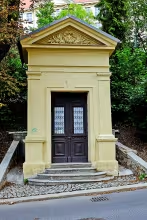
The Ecce Homo Chapel in Karlovy Vary is a small yet significant historical monument, reflecting late 19th-century Bohemian architecture and culture. Situated on I. P. Pavlova Street's northern slope, the neoclassical chapel was built in 1897, replacing an older structure from around 1800. Its status as a protected cultural monument since February 5, 1964, highlights its historical and architectural value.
The chapel emerged during a period of significant cultural and architectural evolution in Bohemia, influenced by various European styles, including historicism. This era blended traditional elements with new stylistic influences, resulting in eclectic buildings like the Ecce Homo Chapel, which exemplifies neoclassicism.
Architecturally, the chapel features a simple yet elegant design typical of neoclassicism. Constructed from brick, it lacks windows and has a gabled metal roof, contributing to its modest appearance. The rectangular plan measures 3.39 meters in width and 2.42 meters in length. A notable feature is the entrance with an oblong door framed by a triangular pediment adorned with a wreath containing a cross and branches. This pediment rests on an architrave supported by corner pilasters, enhancing its classical aesthetic.
Inside, the chapel once displayed "Ecce Homo," a relief-framed painting by Wenzel Wirkner, a native of Karlovy Vary. This artwork adds cultural and historical depth, reflecting local talent and religious themes from that era.
Today, the Ecce Homo Chapel remains accessible to visitors interested in Karlovy Vary's architectural heritage. Its status as a protected cultural monument ensures its preservation for future generations to appreciate its historical significance. The chapel's modest yet elegant design offers insight into neoclassical influences on Bohemian architecture at the turn of the 20th century.
Visiting the Ecce Homo Chapel provides an opportunity to connect with Karlovy Vary's rich history and architectural evolution. Its preservation as a cultural monument underscores its importance, making it a worthwhile destination for those interested in historical sites. The chapel stands not only as an architectural heritage piece but also as a symbol of the cultural developments that have shaped this region over time.
Historical milestones
- 1800
- Starší struktura na místě kaple byla postavena.
- 1897
- Postavení neoklasicistní Kaple Ecce Homo.
- 1964
- Kaple získala status chráněné kulturní památky.
Architectural development
Originally built in 1897, the Ecce Homo Chapel replaced an earlier building from circa 1800. The chapel is characterized by its neoclassical style with a simple brick structure and gabled metal roof. It features a rectangular plan measuring 3.39 meters wide and 2.42 meters long.
Historical events
The chapel was constructed in 1897, replacing an older structure from around 1800.
It has been protected as a cultural monument since February 5, 1964.
Points of interest
- The Ecce Homo Chapel was built to replace an older structure from around 1800, indicating the area's continuous cultural and architectural development over a century. - Architect Wenzel Wirkner, who created the "Ecce Homo" painting inside the chapel, was a native of Karlovy Vary, highlighting local artistic contributions during that era. - Despite its modest size, with dimensions of just 3.39 meters by 2.42 meters, the chapel's design reflects the neoclassical style popular in late 19th-century Bohemia.
Guide
Show guide text
Welcome to the Ecce Homo Chapel in Karlovy Vary, a serene and historical gem nestled on the slope of I. P. Pavlova Street. As you stand here, take a moment to absorb its modest yet elegant neoclassical design—a testament to architectural beauty from the late 19th century.
The chapel's story begins with an older structure that stood here around 1800. This original building was replaced in 1897 by what we see today: a small but striking brick edifice devoid of windows, crowned with a gabled metal roof. Its simplicity belies its historical significance, as it has been protected as a cultural monument since February 5, 1964.
As you look around, notice the chapel's unassuming brick construction. The absence of windows creates an intimate atmosphere, drawing your focus inward and upward to the gabled roof that seems to protect this sacred space from above. Its design reflects a period when architecture sought harmony through understated elegance—a characteristic feature of neoclassicism.
This chapel holds more than just architectural interest; it is intertwined with local history and artistry. Inside, you will find an "Ecce Homo" painting by Wenzel Wirkner, a native of Karlovy Vary himself. This artwork adds a layer of cultural depth to the structure, connecting the chapel not only to its physical location but also to the artistic heritage of the city.
An intriguing aspect of this site is how it symbolizes continuous cultural and architectural evolution over more than a century. From an older building around 1800 to today's neoclassical chapel, this spot has been a canvas for change and preservation in Karlovy Vary.
As you prepare to move on from the Ecce Homo Chapel, let its quiet presence inspire you to explore further into the rich tapestry of Karlovy Vary. There is much more to discover in this historic city, each corner holding stories waiting to be unveiled. Thank you for joining us today; may your journey continue with curiosity and wonder.
Tips for visitors
The best time to visit the Ecce Homo Chapel is during late spring or early autumn when the weather is mild, and the crowds are fewer compared to peak tourist seasons. This period offers a pleasant atmosphere for exploring the chapel's surroundings without the discomfort of summer heat or winter cold. Additionally, visiting in these months allows you to enjoy the natural beauty of Karlovy Vary’s northern part, with its lush landscapes complementing the neoclassical architecture of the chapel.
Parking and transport options are convenient around the Ecce Homo Chapel. You can find parking spaces near I. P. Pavlova Street or use public transportation to reach the area. The city's tram and bus services provide easy access, so it's advisable to check a local transit app for the most current routes and schedules that connect you directly to this northern part of Karlovy Vary.
When planning your visit, consider bringing comfortable walking shoes as exploring the urban landscapes around the chapel can involve some walking. A camera is also recommended to capture the chapel's architectural details and the scenic views from its slope. Since lighting conditions can vary throughout the day, early morning or late afternoon visits might offer the best natural light for photography.
For families with children, visiting the Ecce Homo Chapel can be a delightful experience. The area around the chapel is relatively quiet and safe, making it suitable for family outings. While there isn’t much to see within a 30-minute walk from the chapel itself, you can explore nearby attractions such as the thermal springs of Karlovy Vary or take a leisurely stroll along the city's picturesque streets. These activities provide both relaxation and entertainment for children.
Businesses nearby
Do you run a restaurant, accommodation, shop, museum, rental, wellness or other visitor service near this monument? Show yourself directly to the people heading to it — this is how they will see you in the app and on the web:
Nearby
Situated in the northern part of Karlovy Vary, near I. P. Pavlova Street, the chapel is surrounded by urban landscapes typical of this spa town.
Accommodation nearby
Trips and activities nearby
Guided tours, tickets and activities nearby from GetYourGuide
Search tours and activities →Themed route
Thematic Walking Tour: Ecce Homo Chapel and Surroundings
1. Ecce Homo Chapel - Type: Religious Site - Why Visit: Located in the northern part of Karlovy Vary, this chapel is a serene spot perfect for reflection amidst the urban charm of the spa town. Its proximity to I. P. Pavlova Street offers visitors an opportunity to explore the blend of historical architecture and modern city life.
2. I. P. Pavlova Square - Type: Urban Plaza - Why Visit: Just a short walk from Ecce Homo Chapel, this square is named after the famous Russian ballerina and serves as a vibrant hub in Karlovy Vary. It's an ideal place to relax on one of its benches or enjoy a coffee at a nearby café while soaking up the local atmosphere.
3. Grandhotel Pupp - Type: Historic Hotel - Why Visit: A short stroll from I. P. Pavlova Square, Grandhotel Pupp is an iconic landmark in Karlovy Vary known for its opulent architecture and rich history. Visitors can admire its stunning façade and learn about the hotel's storied past as a retreat for European royalty.
4. Karlovy Vary Main Fountain - Type: Public Art - Why Visit: Located near Grandhotel Pupp, this ornate fountain is a centerpiece of Karlovy Vary’s main square. Its intricate design and historical significance make it a must-see for those interested in the town's cultural heritage.
5. Karlovy Vary Main Square - Type: Central Plaza - Why Visit: Concluding your tour at this bustling central square, visitors can enjoy the lively atmosphere with its shops, restaurants, and street performers. It offers a perfect spot to reflect on the day's journey through Karlovy Vary’s rich history and vibrant culture.
This walking tour provides an immersive experience of Karlovy Vary's unique blend of historical charm and modern vibrancy, all within a compact area that showcases the town's most notable urban features.
Seasonal recommendations
Spring: Visiting the Ecce Homo Chapel during spring offers a serene atmosphere as nature awakens around Karlovy Vary. The surrounding landscape bursts into vibrant colors with blooming flowers, creating picturesque views that enhance the historical charm of the chapel. The mild weather and longer daylight hours make it an ideal time for leisurely exploration. Visitors should consider wearing comfortable layers to accommodate fluctuating temperatures throughout the day. While crowds are generally manageable, arriving early can provide a more tranquil experience before larger groups gather.
Summer: Summer is peak season in Karlovy Vary, with the Ecce Homo Chapel bathed in warm sunlight and surrounded by lush greenery. The pleasant weather invites visitors to enjoy outdoor activities nearby, making it an excellent time for those who appreciate vibrant atmospheres. However, this popularity means larger crowds are likely, so planning ahead is essential. Arriving early or later in the day can help avoid peak times. Comfortable walking shoes and light clothing are recommended to navigate the area comfortably.
Autumn: Autumn transforms the region into a tapestry of warm hues, offering a magical backdrop for visiting the Ecce Homo Chapel. The cooler temperatures and fewer tourists make it an ideal time for those seeking a more peaceful experience. The changing leaves create stunning contrasts with the chapel's architecture, providing excellent photo opportunities. Visitors should dress in layers to adapt to varying temperatures throughout the day. This season is perfect for enjoying outdoor walks without the summer crowds.
Winter: Winter envelops Karlovy Vary in a serene blanket of snow, creating a unique and enchanting atmosphere around the Ecce Homo Chapel. The snowy landscape adds an ethereal quality to the historic site, although access may be limited due to shorter opening hours or adverse weather conditions. Visitors should dress warmly with insulated clothing and sturdy footwear for navigating potentially slippery paths. Arriving early is advisable as daylight is limited, ensuring ample time to explore this winter wonderland.
Visualizations and artistic views

Vizualizace jsou generovány umělou inteligencí a slouží jako inspirace.


Tips from visitors
No tips yet. Be the first!
Log in and add your tip.
Location on the map
More monuments – Karlovy Vary
Show all in the municipality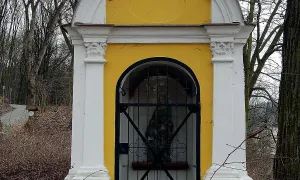

Příběhy a pověsti
Legendy, pověsti a příběhy spjaté s touto památkou
Reviews and comments