





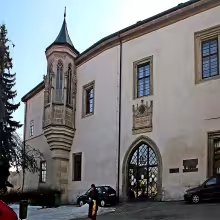
Hrádek in Kutná Hora is a historic fortress showcasing architectural evolution from a wooden fortification to a Gothic castle and later a patrician palace. Situated on a terrace above the Vrchlice River valley near Jezuitská kolej and Chrám svaté Barbory, this monument has been significant since its origins in the early 15th century. Today, it hosts an exhibition of the Czech Silver Museum, attracting visitors interested in history, architecture, and cultural heritage.
The origins of Hrádek date back to the turn of the 13th and 14th centuries as a small wooden fortification protecting the growing mining settlement from western threats. By the early 15th century, Václav z Donína transformed it into a Gothic castle with two residential wings connected by defensive walls and economic buildings. This marked its historical significance during Bohemia's Czech Golden Age under Charles IV of the Holy Roman Empire.
Architecturally, Hrádek evolved significantly over time. Initially a wooden fortification, it became a Gothic castle with residential wings by Václav z Donína. In the late 15th century, Jan Smíšek z Vrchoviště reconstructed it into a patrician palace in the Vladislav Gothic style, featuring large halls, arcades, and mining motifs. The Jesuits later added another floor to the southern wing in 1620.
Ownership of Hrádek has included several notable figures and entities. Václav z Donína was instrumental in its transformation into a Gothic castle between 1400 and 1420. It then passed through royal favorites, officials, and wealthy mine buyers. Jan Smíšek z Vrchoviště played a crucial role in its reconstruction after the Hussite Wars. In 1684, the Jesuits acquired Hrádek, establishing a seminary and school until their order was dissolved in 1773. The city of Kutná Hora purchased it at the beginning of the 20th century to restore it and establish a museum.
Key events include its transformation into a Gothic castle by Václav z Donína, reconstruction into a patrician palace by Jan Smíšek z Vrchoviště after the Hussite Wars, and acquisition by the Jesuits in 1684. The Jesuits established a seminary and school until their order was dissolved in 1773. In 1996, Hrádek opened as an exhibition of the Czech Silver Museum, showcasing collections related to mining, metallurgy, and coinage.
Today, visitors can explore Hrádek's rich history and architectural evolution. The site includes the well-preserved St. George's Mine from the 14th century, adding historical intrigue. As a museum, it serves as an invaluable resource for understanding the region's cultural and industrial heritage.
Hrádek in Kutná Hora offers a unique glimpse into the past, blending architectural beauty with historical significance. Visitors are invited to explore this remarkable site, where history comes alive through its preserved structures and exhibitions. Whether interested in Gothic architecture, mining history, or cultural heritage, Hrádek promises an enriching experience that is both educational and inspiring.
Historical milestones
- c.
Architectural development
Initially a wooden fortification, Hrádek was transformed into a Gothic castle with residential wings by Václav z Donína. It underwent significant reconstruction to become a patrician palace under Jan Smíšek z Vrchoviště, featuring Vladislav Gothic style and mining motifs. The Jesuits later added another floor in 1620, and the site was further developed into a museum in the late 20th century.
Historical events
Transformation into a Gothic castle in the early 15th century.
Reconstruction into a patrician palace by Jan Smíšek z Vrchoviště after Hussite Wars.
Acquisition by Jesuits in 1684, establishing a seminary and school until 1773.
Opened as an exhibition of the Czech Silver Museum in 1996.
Owners
Václav z Donína (1400–1420)
Rodiny královských oblíbenců a úředníků
Jan Smíšek z Vrchoviště (late 15th century)
Jezuitský řád (1684–1773)
Město Kutná Hora (20. století)
Points of interest
- Hrádek's transformation from a wooden fortification to a Gothic castle and later a patrician palace reflects the broader architectural trends in Bohemia during the 15th century, showcasing how local structures adapted European styles.
- The Jesuits' addition of another floor to the southern wing of Hrádek in 1620 is particularly intriguing as it highlights their influence on architecture, blending functionality for educational purposes with aesthetic enhancements typical of the period.
Guide
Show guide text
Welcome to the historic site of Hrádek in Kutná Hora-Vnitřní Město! As you stand here, take a moment to absorb the serene atmosphere enveloping this remarkable fortress. The structure before you is steeped in history, its walls whispering tales from centuries past.
Let's begin by delving into its origins and historical context. Around the turn of the 13th and 14th centuries, Hrádek was established as a modest wooden fortification. Its primary purpose was to protect the mining settlements that were crucial during this period. As we move forward in time, between 1400 and 1420, Václav z Donína played a pivotal role by transforming this simple fort into an imposing Gothic castle. This transformation included the addition of two residential wings connected by defensive walls with attached economic buildings.
Now, as you look around, imagine the architectural evolution that took place here. The site later underwent significant changes at the end of the 15th century when Jan Smíšek z Vrchoviště reimagined it into a patrician palace. This period marked a shift in style and function, reflecting broader architectural trends across Bohemia during the 15th century.
As we continue our exploration, consider the key figures associated with Hrádek. Václav z Donína's vision brought about its Gothic transformation, while Jan Smíšek z Vrchoviště later contributed to its evolution into a stately residence. Their influences are etched into the very fabric of this site.
One intriguing aspect of Hrádek’s history is the Jesuits' addition in 1620 when they added another floor to the southern wing, enhancing its stature and utility. This adaptation highlights how the site was continually reshaped by those who occupied it.
In 1684, the Jesuits acquired Hrádek, establishing a seminary and school there, which further underscores its educational significance. However, in 1773, following the dissolution of the Jesuit order, the city of Kutná Hora took over, marking another chapter in its storied past.
As we conclude this brief journey through time, I invite you to continue exploring and discovering more about Hrádek's rich history. Each corner holds a story waiting to be uncovered. Thank you for joining me today, and may your visit here inspire curiosity and appreciation for the layers of history that surround us.
Businesses nearby
Nearby
Hrádek is located on a terrace above the Vrchlice River valley, near Jezuitská kolej and Chrám svaté Barbory. The surrounding landscape includes natural features like the river valley and historical sites within a 5 km radius.
Accommodation nearby
Trips and activities nearby
Guided tours, tickets and activities nearby from GetYourGuide
Search tours and activities →Themed route
Exploring the Heart of Kutná Hora
1. Hrádek: Begin your journey at this historic castle, perched on a terrace above the Vrchlice River valley. The Hrádek offers panoramic views and provides insight into medieval architecture with its well-preserved structures. Its strategic location and historical significance make it an essential starting point for any exploration of Kutná Hora.
2. Jezuitská kolej: A short walk from Hrádek, this Jesuit college is renowned for its stunning baroque architecture and intricate frescoes. The Jezuitská kolej serves as a testament to the rich cultural heritage of the region, offering visitors a glimpse into the artistic achievements of the 17th century.
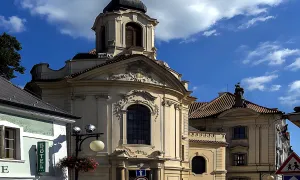
3. Chrám svaté Barbory: Located nearby, this Baroque church is famous for its elaborate interior decorations and historical significance. Known for housing one of the largest collections of baroque art in Central Europe, Chrám svaté Barbory captivates visitors with its opulent design and spiritual ambiance.
4. Vrchlice River Valley Walk: Conclude your tour by strolling through the scenic Vrchlice River valley. This natural landscape provides a serene backdrop to reflect on the historical sites you've visited. The walk offers picturesque views and a peaceful end to an enriching exploration of Kutná Hora's cultural treasures.
This itinerary combines architectural marvels with natural beauty, offering a comprehensive experience of Kutná Hora's rich history and culture.
Seasonal recommendations
Spring: Visiting Hrádek during spring offers a unique experience as the landscape around Kutná Hora-Vnitřní Město awakens with vibrant colors. The blooming flowers and budding trees create an enchanting atmosphere, making it a perfect time for nature lovers to explore the area's beauty. As daylight hours extend, visitors can enjoy longer sightseeing opportunities without the rush of peak tourist seasons. It’s advisable to wear layers, as spring weather can be unpredictable with occasional rain showers. Early mornings are ideal for visiting, allowing you to appreciate the serene environment before larger crowds arrive.
Summer: Summer at Hrádek is characterized by lush greenery and warm temperatures, making it an excellent time for outdoor activities in Středočeský kraj's picturesque setting. The pleasant weather encourages visitors to explore the site comfortably, although it’s important to note that this season attracts more tourists. Dressing in light, breathable clothing is recommended, along with sun protection such as hats and sunscreen. To avoid long lines and crowds, consider arriving early in the morning or later in the afternoon. This approach ensures a more relaxed visit while still enjoying the vibrant summer atmosphere.
Autumn: The autumn months transform Hrádek into a stunning tapestry of reds, oranges, and yellows, offering an idyllic backdrop for photography enthusiasts and nature admirers alike. Cooler temperatures make it comfortable to stroll around the historical site without the summer heat. This season is less crowded compared to summer, providing a more peaceful experience. Layered clothing is advisable due to fluctuating weather conditions, with warmer layers handy as evenings can become quite chilly. Visiting in late morning or early afternoon allows you to capture the best light for photography and enjoy the crisp autumn air.
Winter: Winter at Hrádek presents a magical atmosphere as snow blankets the historic site, creating a picturesque winter wonderland around Kutná Hora-Vnitřní Město. The shorter days mean that visiting in daylight is crucial, with early mornings offering the best lighting conditions before the site closes for the day. Visitors should dress warmly in insulated layers to stay comfortable during their exploration of the chilly surroundings. While some parts may be less accessible due to snow or ice, the serene and tranquil winter landscape provides a unique experience compared to other seasons. Planning your visit during weekdays can also help avoid any potential crowds that might gather on weekends.
Visualizations and artistic views


Vizualizace jsou generovány umělou inteligencí a slouží jako inspirace.


Tips from visitors
No tips yet. Be the first!
Log in and add your tip.


Reviews and comments