





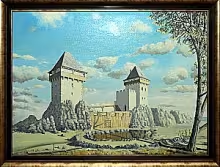
Dršťka, also known as Ronšperk or Losumberk, is a historical monument in the Brdská Highlands near Skořice, Plzeňský kraj, Czech Republic. This castle ruin stands on a rugged ridge at about 540 meters above sea level and dates back to around 1400. It holds historical significance, especially during the Hussite Wars when it served as a stronghold and later became contested among noble families.
The origins of Dršťka are somewhat obscure due to limited documentation. However, historical sources suggest that Dobrohost z Ronšperka was likely an early owner, with his sons or grandsons Nachval, Sezema, Břeněk, and Zdeněk associated with the castle by 1390. The region experienced religious upheaval during this period due to the Hussite Wars, which challenged Catholic orthodoxy in Bohemia. This context of conflict is reflected in Dršťka's history as it became a strategic stronghold.
Architecturally, Dršťka was built on challenging terrain featuring a buližníkový ridge. The site included an inhabited tower connected by a fortified courtyard or small two-room building. Additionally, there was a smaller defensive structure made largely of wood nearby. By the mid-16th century, the castle had become uninhabited and was described as deserted.
Ownership of Dršťka changed hands several times due to dramatic historical events. After Břeněk's death without heirs post-1447, Zachař z Říčan on Štěkni claimed the castle. In 1454, it was declared crown property and granted to Oldřich z Rakové a z Radyně. This period also saw disputes among Břeněk's relatives who challenged the decision legally but eventually resolved their differences outside of court by 1460.
Key events in Dršťka's history include its possible defense against a Hussite attack in 1421, targeting nearby areas like the provostship of Teslíny. By 1427, it served as a stronghold for the Knights Hospitaller in Plzeňsko. These episodes highlight the castle's strategic importance during turbulent times.
Today, Dršťka is accessible to visitors following the dissolution of its surrounding military zone on January 1, 2016. The site offers intriguing remnants of its past, including terrain irregularities and small fragments of masonry. Local legends add a layer of mystique, with tales of fairies appearing at noon and ghostly skeletons emerging at midnight. These stories, along with the historical significance of Dršťka, make it an interesting destination for those interested in Czech history.
Dršťka stands as a testament to the region's turbulent past and offers visitors a glimpse into medieval life and conflicts. Its ruins invite exploration and reflection on the events that shaped this area, making it a worthwhile visit for anyone intrigued by history and legend alike.
Historical milestones
- 1421
- The castle possibly withstood a Hussite attack.
- 1427
- Served as a stronghold for the Knights Hospitaller.
- 1454
- Declared crown property and granted to Oldřich z Rakové.
Architectural development
Dršťka was constructed on a rugged buližníkový ridge featuring an inhabited tower connected by a fortified courtyard or small two-room building. A smaller defensive structure, largely wooden, stood nearby. By the mid-16th century, the castle had become uninhabited and was described as deserted.
Historical events
In 1421, Dršťka may have withstood an attack by Hussite forces that destroyed the nearby provostship of Teslíny.
By 1427, it served as a stronghold for the Knights Hospitaller in Plzeňsko.
In 1454, the castle was declared crown property and granted to Oldřich z Rakové.
Owners
Initially associated with Dobrohost z Ronšperka, ownership likely passed to his sons or grandsons Nachval, Sezema, Břeněk, and Zdeněk by 1390. After Břeněk's death without heirs post-1447, the castle was claimed by Zachař z Říčan on Štěkni. In 1454, it was declared crown property and granted to Oldřich z Rakové a z Radyně.
Points of interest
- Despite its strategic importance during the Hussite Wars, Dršťka was never fully destroyed in battle; instead, it gradually fell into disrepair and became uninhabited by the mid-16th century. - The castle's architecture uniquely adapted to its challenging terrain with a buližníkový ridge, featuring an inhabited tower connected by a fortified courtyard, which is uncommon for castles of that era in the region.
Guide
Show guide text
Welcome to the historic site of Dršťka, also known as Ronšperk or Losumberk. As you stand here on the edge of the Military Zone Brdy in western Příbram District, take a moment to absorb your surroundings. Before you lies an evocative landscape where nature has reclaimed what was once a stronghold of human ambition. The remnants of Dršťka rise gently from the Brdská Highlands, approximately one kilometer south of Skořice. As you gaze upon this site, perched at around 540 meters above sea level, notice how the terrain itself tells tales of its storied past.
Let's delve into the origins and historical context of Dršťka. This castle, shrouded in mystery due to unknown architects, has roots stretching back to a tumultuous period in Bohemian history. In 1421, during the Hussite Wars, it is believed that Dršťka withstood an attack by the Hussites. Its resilience continued as it served as a stronghold for the Knights Hospitaller just six years later in 1427. By 1454, it had become crown property and was granted to Oldřich z Rakové, marking its significance within the region.
As you explore this site today, take note of the architectural remnants that have withstood the test of time. The castle's unique adaptation to its challenging terrain is evident in how it utilizes a buližníkový ridge. While much has been lost to history, small fragments of masonry remain as silent witnesses to Dršťka’s once formidable presence.
Throughout its history, several key figures have left their mark on this site. Dobrohost z Ronšperka was one of the notable personalities associated with it, along with his descendants Nachval, Sezema, Břeněk, and Zdeněk. Later, Zachař z Říčan na Štěkni played a role in its story before Oldřich z Rakové took ownership.
One of the intriguing aspects of Dršťka is its survival through the Hussite Wars without being fully destroyed in battle—a testament to its strategic importance and robust construction. Instead, it gradually fell into disrepair, becoming uninhabited by the mid-16th century. This slow decline adds a layer of mystery to its history, inviting us to ponder what life might have been like within these walls.
As you conclude your visit here at Dršťka, I invite you to reflect on this fascinating piece of history and consider exploring more about the region's rich past. Thank you for joining me on this journey through time, and may your curiosity continue to lead you to discover more hidden gems in our world. Safe travels as you venture forth!
Tips for visitors
The best time to visit Dršťka is during late spring or early autumn when the weather is mild, making it ideal for exploring the ruins without extreme temperatures. These seasons also offer beautiful natural scenery as the Brdská Highlands are lush with greenery in spring and vibrant colors in fall. Additionally, visiting outside of peak summer months can help avoid crowds, providing a more serene experience.
Parking at Dršťka is available near Skořice, approximately one kilometer from the site. Public transport options include buses that connect to nearby towns; however, it's advisable to check current routes and schedules online for convenience. The area is accessible by car as well, making it easy to reach even if you're coming from a distance.
When visiting Dršťka, consider bringing comfortable walking shoes, water, snacks, and weather-appropriate clothing, especially since the site involves some hiking over uneven terrain. A hat or sunscreen may be useful during sunny days, while layers are recommended for cooler mornings or evenings. Additionally, a camera is suggested to capture the stunning views of the ruins and surrounding landscapes.
For photography enthusiasts, early morning or late afternoon provides the best light conditions at Dršťka, offering soft shadows that enhance the textures of the ruins. The south-facing slopes can be particularly picturesque during these times. Exploring different angles around the perimeter of the castle site will reveal various perspectives of the structure and its natural backdrop.
Nearby attractions within a 30-minute drive include other historical sites in the Brdská Highlands, such as the ruins of Kostelec nad Černými lesy and the scenic hiking trails that offer breathtaking views. These areas are perfect for extending your visit with more exploration and enjoying the natural beauty of the region.
Dršťka is a great destination for families with children who enjoy history and nature. The site offers plenty of space to explore, making it suitable for family hikes. Children can learn about medieval castles while playing imaginative games among the ruins. Nearby picnic spots provide an opportunity for a relaxing break during your visit.
Businesses nearby
Do you run a restaurant, accommodation, shop, museum, rental, wellness or other visitor service near this monument? Show yourself directly to the people heading to it — this is how they will see you in the app and on the web:
Nearby
Dršťka is located within what was once an inaccessible military area, now accessible since January 1, 2016. The surrounding Brdská Highlands offer natural landscapes and other historical sites.
Accommodation nearby
Trips and activities nearby
Guided tours, tickets and activities nearby from GetYourGuide
Search tours and activities →Themed route
Thematic Exploration Route: Dršťka and the Brdská Highlands
1. Dršťka (Zřícenina) *Type:* Historical Ruin *Why Visit:* Explore the remnants of a medieval fortress that once stood as a strategic military site in the Brdská Highlands. Since January 1, 2016, this previously inaccessible area has opened to the public, offering a glimpse into the region's historical significance and architectural heritage.
2. Brdy Protected Landscape Area *Type:* Natural Landscape *Why Visit:* Located near Dršťka, this protected landscape offers stunning natural vistas with rolling hills and lush forests. It provides an ideal setting for nature walks and a chance to appreciate the untouched beauty of the Brdská Highlands.
3. Military History Trail *Type:* Historical Route *Why Visit:* Follow the path that once served as part of the military infrastructure surrounding Dršťka. This trail offers insights into the area's strategic importance during various historical periods, with informative markers detailing its past uses and significance.
4. Local Heritage Museum (Hypothetical) *Type:* Cultural Site *Why Visit:* While not explicitly mentioned in the provided context, a local heritage museum within the Brdská Highlands could offer exhibits on regional history, including artifacts from Dršťka and stories of life in the highlands. This would provide deeper cultural understanding and context for visitors interested in the area's past.
This route offers a comprehensive exploration of both the historical and natural aspects of the Dršťka area, providing a balanced experience of culture and nature.
Seasonal recommendations
Spring: Visiting Dršťka Castle Ruins during spring offers a unique experience as nature begins to awaken around the ancient stones. The landscape is adorned with wildflowers and fresh greenery, creating a picturesque backdrop that enhances the castle's mystical atmosphere. As daylight extends into the evening, visitors can enjoy softer lighting conditions ideal for photography. Springtime may bring unpredictable weather, so it’s advisable to dress in layers and carry an umbrella or raincoat. With fewer tourists compared to summer, this is an excellent time to explore the site at a leisurely pace.
Summer: The castle ruins of Dršťka are particularly enchanting during the long days of summer, when sunlight bathes the ancient stones, highlighting their textures and history. This season offers warm weather perfect for exploring the site comfortably, though it’s wise to start early in the morning or later in the afternoon to avoid peak tourist hours. Light, breathable clothing is recommended, along with sun protection such as hats and sunscreen. Summer evenings can be magical, with extended daylight providing ample time for a leisurely visit.
Autumn: Autumn at Dršťka Castle Ruins presents a stunning display of vibrant fall colors, transforming the landscape into a breathtaking tapestry of reds, oranges, and yellows. The cooler temperatures make it an ideal time to explore without the summer heat, though visitors should be prepared for brisk winds that can quickly chill exposed skin. Layered clothing is advisable, along with sturdy footwear for navigating uneven terrain. As daylight shortens, planning your visit during midday ensures you have enough light to fully appreciate the site’s beauty.
Winter: Winter transforms Dršťka Castle Ruins into a serene and mystical destination, blanketed in snow that adds an ethereal quality to its ancient structures. The shorter days mean visits should be planned for daylight hours, as the site may close earlier due to reduced natural lighting. Wearing warm layers is essential, along with waterproof boots to handle potentially icy paths. While fewer visitors are likely during this season, it’s important to check opening times in advance, as some sites may have limited access or shorter operating hours.
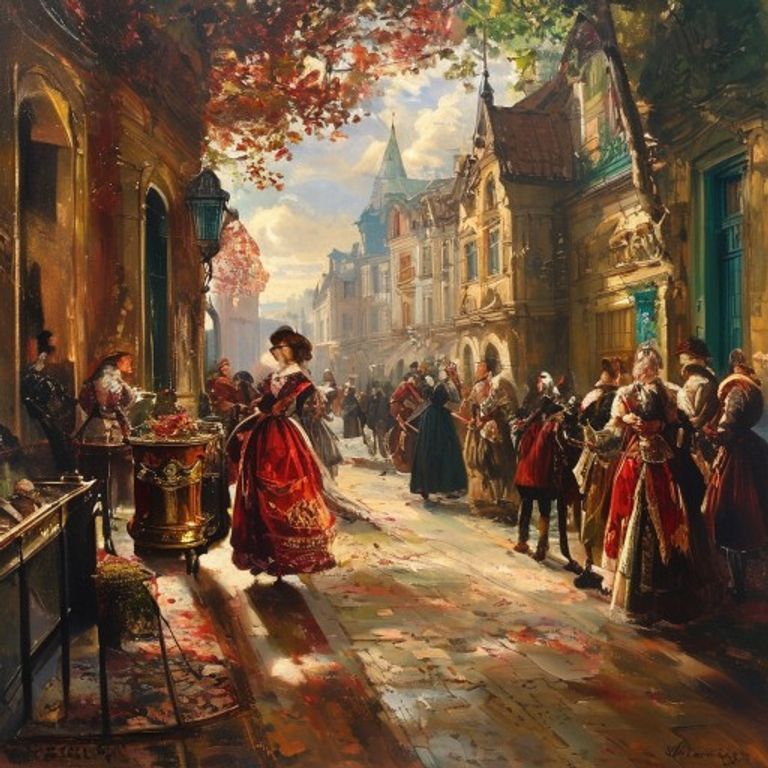
Visualizations and artistic views


Vizualizace jsou generovány umělou inteligencí a slouží jako inspirace.
Tips from visitors
No tips yet. Be the first!
Log in and add your tip.
Location on the map


Příběhy a pověsti
Legendy, pověsti a příběhy spjaté s touto památkou
Reviews and comments