





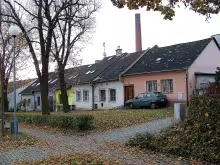
Dělnická Kolonie in the Olomouc district is a cultural monument representing a specific type of residential area developed during the industrialization period from the late 18th century onwards. These colonies provided housing for workers near industrial sites, reflecting significant social changes as cities expanded and new working-class communities formed. Today, they are valued for their historical and cultural significance, offering insights into the living conditions and urban development of that era.
The establishment of dělnické kolonie began in response to needs brought about by industrialization from the late 18th century. As Europe underwent significant changes due to the Industrial Revolution, rapid urbanization occurred, along with the rise of a new working class. This necessitated worker housing near industrial centers for those migrating to cities for employment opportunities in burgeoning industries. The growth of these colonies was particularly notable during the 19th and 20th centuries as urban areas expanded rapidly.
Architecturally, dělnické kolonie were often constructed without formal plans, using readily available materials like unbaked bricks and wood. This approach resulted from economic constraints and the urgent need for worker housing. The irregular layout and close proximity of buildings are characteristic features of these colonies. Some were built by companies for their employees, providing relatively better living conditions compared to others that emerged spontaneously during crises such as the Great Economic Depression. These spontaneous settlements often lacked basic amenities like sanitation and running water.
The significance of dělnické kolonie extends beyond their architectural aspects; they played a crucial role in the social development of industrial cities by improving living conditions for workers. Despite being built without official permits or plans, these colonies contributed to shaping the urban landscape and addressing the housing needs of the working class during a transformative period in European history.
Today, dělnické kolonie stand as important cultural and historical monuments. They offer valuable insights into the past, illustrating how industrialization influenced social structures and urban development. Visitors can explore these sites to gain an understanding of the living conditions faced by workers during that era and appreciate their contribution to the evolution of modern cities.
Dělnická Kolonie in the Olomouc district is a testament to the resilience and adaptability of communities during times of rapid change. Its preservation allows us to reflect on the historical significance of these settlements and invites visitors to explore an integral part of our industrial heritage.
Historical milestones
- 1750
- Nástin industrializace v Evropě
- konec 18. století
- Začátek výstavby dělnických kolonií kvůli potřebám industrializace
- 19.0
- Rozšíření dělnických kolonií během rychlého městského rozvoje
- 20.0
- Pokračující výstavba a rozvoj dělnických kolonií
- 30. léta 20. století
- Vznik spontánních osad během Velké hospodářské krize
Architectural development
Dělnické kolonie were often constructed without formal plans, using readily available materials like unbaked bricks and wood. The irregular layout and close proximity of buildings reflected both economic constraints and the urgent need for worker housing. Over time, these colonies evolved with some being built by companies for their employees, while others emerged spontaneously during crises.
Historical events
The establishment of dělnické kolonie began in response to industrialization needs from the late 18th century.
Significant growth occurred during the 19th and 20th centuries as urban areas expanded rapidly.
Points of interest
- One of the lesser-known aspects of Dělnická Kolonie is that some settlements were constructed using innovative techniques by local craftsmen who adapted traditional building methods to meet urgent housing needs during industrial expansion.
- Despite their often rudimentary construction, certain dělnické kolonie became centers for community organization and social activities, fostering a sense of solidarity among workers which played a crucial role in the early labor movement in the region.
Guide
Show guide text
Welcome to the Dělnická Kolonie, a remarkable cultural monument nestled in the Olomouc district of the Olomoucký kraj. As you stand here, take a moment to absorb the surroundings—a unique residential area born from the industrialization era that began in the late 18th century. This place is not just an architectural feat but also a testament to significant social transformations as cities expanded and new working-class communities emerged.
Let's delve into its origins and historical context. The roots of Dělnická Kolonie trace back to around 1750, when industrialization started gaining momentum across Europe. By the end of the 18th century, there was a pressing need for housing solutions near burgeoning industrial sites. This necessity led to the establishment of these colonies, providing workers with homes close to their places of employment. As we moved into the 19th century, these settlements expanded rapidly alongside urban development. The trend continued well into the 20th century, adapting and growing even during challenging times like the Great Depression in the 1930s when spontaneous settlements sprang up.
Now, let's focus on what you see around you. Observe the layout of the colony; it reflects a practical approach to housing design that prioritized functionality over formality. The architecture here is characterized by its simplicity and efficiency—a direct response to urgent housing needs during industrial expansion. Notice how these structures harmonize with their environment, showcasing local craftsmanship. Some settlements were built using innovative techniques by local artisans who adapted traditional methods to meet the demands of rapid urbanization.
While specific architects and historical figures associated with this site remain unknown, the essence of Dělnická Kolonie lies in its collective story—a narrative shaped by countless unnamed individuals whose lives intertwined within these walls. Their stories are embedded in every brick and pathway, echoing the spirit of resilience and community that defined this era.
An intriguing aspect of Dělnická Kolonie is how some settlements incorporated innovative construction techniques developed by local craftsmen. These artisans skillfully adapted traditional building methods to meet the urgent housing demands brought about by industrial expansion. This blend of innovation and tradition highlights a lesser-known chapter in the history of these colonies, showcasing human ingenuity in times of need.
As we conclude our audio journey through Dělnická Kolonie, I invite you to continue exploring this fascinating site at your own pace. Take time to wander through its pathways, imagine the lives that once thrived here, and reflect on the profound changes it represents in our history. Thank you for joining me today, and may your exploration be both enlightening and inspiring.
---
This audio guide aims to provide a comprehensive yet engaging overview of Dělnická Kolonie, allowing you to connect with its rich historical tapestry as you explore this remarkable cultural monument.
Businesses nearby
Do you run a restaurant, accommodation, shop, museum, rental, wellness or other visitor service near this monument? Show yourself directly to the people heading to it — this is how they will see you in the app and on the web:
Accommodation nearby
Trips and activities nearby
Guided tours, tickets and activities nearby from GetYourGuide
Search tours and activities →Themed route
Tematická výletní trasa: Dělnická kolonie v Olomouckém kraji
1. Dělnická kolonie - Typ: Historické místo - Proč stojí za návštěvu: Tato kolonie je příkladem historických dělnických osad z 19. století, která nabízí pohled na život a pracovní podmínky tehdejších obyvatel. Je to ideální místo pro ty, kteří mají zájem o průmyslovou historii a architekturu.
2. Okres Olomouc - Typ: Historické centrum - Proč stojí za návštěvu: Okres Olomouc je bohatý na historické památky, včetně gotických kostelů a starobylých ulic. Navštívte toto místo pro hlubší porozumění regionální kultuře a historii.
3. Olomoucký kraj - Typ: Kulturní oblast - Proč stojí za návštěvu: Olomoucký kraj nabízí mnoho kulturních zážitků, od historických památek po moderní umělecké projekty. Je to ideální místo pro ty, kteří chtějí objevovat různorodé aspekty českého kulturního dědictví.
Tato trasa vás provede skrze historickou a kulturní krajinu Olomouckého kraje, zaměřujíc se na Dělnickou kolonii a její okolí.
Seasonal recommendations
Spring: Visiting the Dělnická Kolonie during spring offers a refreshing experience as nature awakens with vibrant colors and blooming flora, creating an enchanting atmosphere around the historical site. The gentle weather makes it ideal for exploring the grounds at a leisurely pace, capturing picturesque scenes of renewal. Visitors should dress in layers to accommodate fluctuating temperatures and consider arriving early to enjoy the tranquility before larger crowds gather during peak daylight hours.
Summer: Summer is the prime time to visit Dělnická Kolonie due to its pleasant weather, which enhances the experience of exploring the site's historical architecture and lush surroundings. The longer days provide ample opportunity for extended visits, but it's advisable to arrive early in the morning or later in the afternoon to avoid the midday heat and crowds. Comfortable walking shoes and light clothing are recommended to ensure a comfortable exploration throughout this vibrant season.
Autumn: Autumn brings a unique charm to Dělnická Kolonie with its warm hues of red, orange, and yellow transforming the landscape into a picturesque setting. The cooler temperatures make it an ideal time for leisurely walks through the site without the discomfort of summer heat. Visitors should dress warmly in layers as the weather can be unpredictable, and carrying a light jacket or sweater is advisable. This season offers a quieter atmosphere with fewer tourists, allowing for a more intimate experience.
Winter: Winter at Dělnická Kolonie presents a serene and magical ambiance, especially if snow graces the site, adding a picturesque quality to its historical architecture. The shorter days mean that visiting early in the day is recommended to make the most of daylight hours while enjoying the peacefulness that comes with fewer visitors during this season. Dressing warmly in layers, including hats, gloves, and insulated boots, is essential for comfort as temperatures can drop significantly. Keep in mind that some areas might have limited access or shorter opening times due to winter conditions.
Visualizations and artistic views


Vizualizace jsou generovány umělou inteligencí a slouží jako inspirace.


Atmosphere of the place
Atmospheric visualization of the setting and era
Tips from visitors
No tips yet. Be the first!
Log in and add your tip.

Reviews and comments