





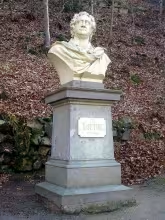
The Bust of Johann Wolfgang von Goethe in Karlovy Vary is a cultural monument commemorating the visits of the renowned German poet between 1785 and 1823. Situated on the left bank of the Teplá River near the Gallery of Art along Goethe's Path, this bust was erected in 1883 by sculptor Adolf Donndorf from Stuttgart. It stands as a testament to Goethe’s significant influence during his numerous stays in the town. The monument is notable for its historical significance and has been protected as a cultural landmark since May 3, 1958.
Originally placed in Pupp's alley, the bust was moved to its current location after World War II. Its creation was initiated by Mathias Foerster, director of the foreigner’s hospital for the poor, Saint Bernard. The inauguration ceremony took place in 1883 and featured a speech by Heinrich Laube, a prominent German prose writer and dramatist. This period marked Karlovy Vary as an important European spa town, attracting intellectuals like Goethe who contributed to its rich cultural heritage.
Adolf Donndorf's design for the bust has remained unchanged in terms of artistic elements since its creation. The monument’s relocation after World War II reflects broader historical changes but does not alter its original architectural form. Despite these shifts, the bust continues to embody the artistic style and craftsmanship characteristic of late 19th-century sculpture.
Throughout its history, the bust has experienced dramatic events reflecting the socio-political climate of the times. In 1945, it was covered with planking as part of post-war cultural revisions. By June and July of 1946, during a period known as national cleansing, the monument was removed by order of the Local Administrative Committee in Karlovy Vary. The bust was temporarily stored in a museum, while its base disappeared.
Today, the Bust of J.W. Goethe stands proudly near the Teplá River and close to the Gallery of Art, accessible to visitors who wish to explore Goethe's Path. This monument is not only an artistic tribute but also a historical marker highlighting Karlovy Vary’s cultural significance during Goethe's time. Its preservation as a cultural monument underscores its importance in commemorating the town's rich literary and intellectual history.
Visiting this site offers insight into the profound impact of Goethe on Karlovy Vary, making it an essential stop for those interested in European cultural heritage. The bust serves as a reminder of the enduring legacy of one of Germany’s most celebrated poets and his connection to this historic spa town.
Historical milestones
- 1785
- Goethe's first visit to Karlovy Vary.
- 1823
- Goethe's last visit to Karlovy Vary.
- 1883
- Inauguration of the Goethe bust by Adolf Donndorf.
- 1945
- Bust covered with planking post-WWII.
- 1946
- Removal during national cleansing, stored in museum.
- 1958
- Declared a protected cultural monument.
Architectural development
The original bust, crafted in 1883 by Adolf Donndorf, has undergone changes in its location but not in its design. Initially placed in Pupp's alley, it was relocated to Goethe's Path near the Gallery of Art after World War II.
Historical events
1883: Slavnostní odhalení (Inauguration) of the Goethe bust was conducted by Heinrich Laube.
1945-1946: The monument was covered and later removed as part of post-war cultural revisions.
Points of interest
- The bust of J.W. Goethe was initially placed in Pupp's alley before being relocated to its current site near the Teplá River after World War II, reflecting significant historical shifts. - In 1945, as part of post-war cultural revisions, the bust was covered with planking, symbolizing the changing socio-political climate and attitudes towards German figures.
- During a period known as national cleansing in June and July of 1946, the Local Administrative Committee ordered the removal of the Goethe bust, which was then temporarily stored in a museum while its base disappeared.
Guide
Show guide text
Welcome to the Bust of J.W. Goethe in Karlovy Vary, a cultural monument that captures the essence of one of Germany's most celebrated poets, Johann Wolfgang von Goethe. As you stand here, imagine the historical echoes surrounding this site where Goethe once visited between 1785 and 1823.
The bust, crafted by Adolf Donndorf from Stuttgart in 1883, commemorates these significant visits. Originally placed in Pupp's alley, it was relocated to its current position near the Gallery of Art along Goethe's Path after World War II. This move reflects not just a change in location but also shifts in cultural significance over time.
Take a moment to appreciate the craftsmanship of Donndorf. The bust stands as a testament to Goethe’s influence and the artistic dedication of the late 19th century. Notice how it captures the essence of Goethe, with intricate details that invite you to reflect on his legacy.
Goethe's connection to Karlovy Vary is enriched by figures like Mathias Foerster, who hosted him during his visits, and Heinrich Laube, whose writings further immortalized the town’s allure. These personalities weave a rich tapestry of cultural history around this site.
Interestingly, after World War II in 1945, the bust was covered with planking as part of post-war cultural revisions—a poignant reminder of how political climates can impact art and heritage. It wasn't until 1958 that it was declared a protected cultural monument, ensuring its preservation for future generations.
As you continue your exploration, consider the journey this bust has taken through history—from its creation to its various relocations—and what it symbolizes about Goethe's enduring legacy in Karlovy Vary. We invite you to delve deeper into the town’s rich narrative and discover more hidden gems along Goethe's Path. Thank you for joining us on this historical journey, and we hope your visit inspires a lasting appreciation for this remarkable cultural monument.
Tips for visitors
The best time to visit the Bust of J.W. Goethe in Karlovy Vary is during late spring or early autumn, when the weather is pleasant and the natural landscapes around are particularly beautiful. These seasons offer a comfortable climate for walking along Goethe's Path and exploring nearby historical spa buildings without the crowds typical of peak tourist season.
Parking and transportation to the bust can be managed by using local parking facilities near the Gallery of Art or utilizing public transport options available in Karlovy Vary. For those driving, it is advisable to check for parking availability online prior to your visit. Public transport routes are accessible and provide a convenient way to reach the monument.
When visiting the bust, consider bringing comfortable walking shoes as you will likely explore the surrounding areas on foot. A camera or smartphone for photography is recommended, especially if you wish to capture the picturesque views of the Teplá River and historical architecture nearby. Additionally, carrying water and a light jacket can enhance your visit, especially during transitional seasons.
For photography enthusiasts, the best spots include viewpoints along Goethe's Path that offer scenic vistas of the river and spa town. Early morning or late afternoon is ideal for capturing soft lighting conditions. Families with children should note that there are several family-friendly areas nearby, such as parks and historical sites within a 30-minute walk from the bust, making it an enjoyable outing for all ages.
Businesses nearby
Do you run a restaurant, accommodation, shop, museum, rental, wellness or other visitor service near this monument? Show yourself directly to the people heading to it — this is how they will see you in the app and on the web:
Nearby
Located near the Teplá River and close to the Gallery of Art, the monument is part of Goethe's Path. The area features historical spa buildings and natural landscapes that inspired Goethe.
Accommodation nearby
Trips and activities nearby
Guided tours, tickets and activities nearby from GetYourGuide
Search tours and activities →Themed route
Goethe's Path Thematic Walking Tour
1. Busta J. W. Goetha (Monument) - *Type:* Historical Monument - *Why Visit:* This bust of Johann Wolfgang von Goethe marks the beginning of Goethe's Path, celebrating his visit to Karlovy Vary in 1810. The monument is a tribute to Goethe’s influence on European literature and culture, offering insight into his connection with this region.
2. Gallery of Art - *Type:* Cultural Institution - *Why Visit:* Located near the Teplá River, the Gallery of Art showcases an impressive collection that reflects the artistic heritage inspired by Karlovy Vary's historical and natural beauty. It provides a deeper understanding of how the area influenced artists over the centuries.
3. Historical Spa Buildings - *Type:* Architectural Landmarks - *Why Visit:* These buildings are remnants of Karlovy Vary’s rich spa history, offering a glimpse into the architectural styles and cultural significance of health tourism in the 19th century. They highlight the town's longstanding reputation as a wellness destination.
4. Teplá River - *Type:* Natural Landscape - *Why Visit:* Flowing near Goethe's Path, the Teplá River adds to the picturesque scenery that inspired Goethe during his stay. Its serene waters and surrounding landscapes provide a peaceful setting for reflection on the region’s natural beauty.
5. Goethe's Path - *Type:* Walking Route - *Why Visit:* This scenic route connects various cultural and historical sites, allowing visitors to experience the same journey that Goethe once took. It offers an immersive exploration of Karlovy Vary's rich heritage and its connection to one of Germany’s most celebrated literary figures.
This tour provides a comprehensive look at the cultural and natural elements that define Karlovy Vary and its significance in European history, particularly through the lens of Johann Wolfgang von Goethe's experiences.
Seasonal recommendations
Spring: Visiting the bust of J.W. Goethe during spring offers a refreshing experience as nature awakens around Karlovy Vary. The lush greenery and blooming flowers create a picturesque backdrop, enhancing the historical significance of the monument. The soft morning light provides ideal conditions for photography, casting gentle shadows that highlight intricate details. Visitors should take advantage of the milder temperatures by wearing layers, allowing them to adjust as the day warms up. Early mornings are recommended to avoid larger crowds and enjoy the tranquility before the bustle of the day begins.
Summer: The summer months bring vibrant life to the area surrounding J.W. Goethe's bust in Karlovy Vary, with long daylight hours perfect for exploring historical sites. The lush surroundings are at their peak, offering a lively atmosphere that complements the cultural heritage. However, this is also the height of tourist season, so arriving early can help avoid crowds and ensure a more intimate experience with the monument. Dressing in light, breathable clothing is advisable to stay comfortable during warmer days, and carrying water is essential for hydration.
Autumn: Autumn provides a stunning visual treat at J.W. Goethe's bust, as the changing leaves create a warm, golden hue that beautifully frames the historical site. The cooler temperatures make it an ideal time for leisurely exploration without the summer heat. This season often sees fewer visitors, allowing for a more peaceful visit. Layered clothing is recommended to adjust to fluctuating temperatures throughout the day. Early afternoon visits can capture the best light and colors as the sun casts a warm glow over the landscape.
Winter: Winter transforms the area around J.W. Goethe's bust into a serene winter wonderland, with snow-covered landscapes offering a unique and tranquil atmosphere. The reduced number of visitors allows for a quiet reflection on the monument’s historical significance amidst the stillness of the season. However, shorter daylight hours mean planning is essential to make the most of your visit. Warm clothing, including hats, gloves, and insulated layers, is crucial to stay comfortable during colder days. Early morning visits can provide the best light before temperatures drop further as the day progresses.
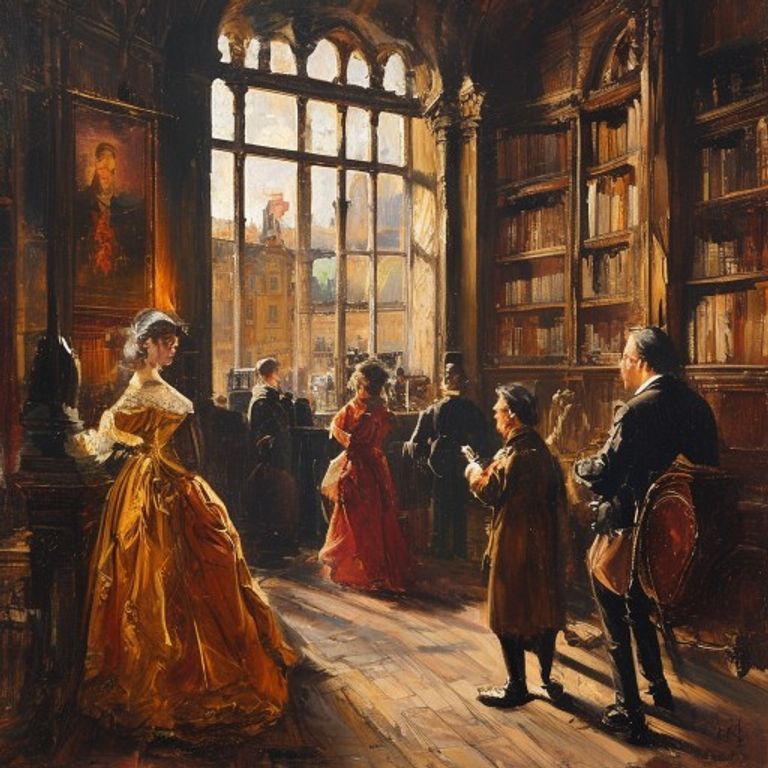
Visualizations and artistic views

Vizualizace jsou generovány umělou inteligencí a slouží jako inspirace.


Tips from visitors
No tips yet. Be the first!
Log in and add your tip.
Location on the map



Příběhy a pověsti
Legendy, pověsti a příběhy spjaté s touto památkou
Reviews and comments