






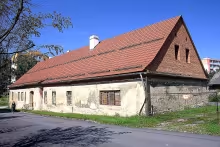
Arcibiskupské zemanství in Kopřivnice is one of the city's oldest structures. Originally a noble seat, it later became an archbishop's court. Located at Boženy Němcové 72/8 in southern Kopřivnice, this cultural monument has been protected since 1993 but remains inaccessible due to disrepair.
The first documented mention dates back to 1581 as a noble seat. Over time, it served various purposes, including functioning as an archbishop's court. In the early 19th century, Ignác Raška from the Raška family transformed its architecture into neoclassical style, reflecting broader European trends towards classical revival.
Architecturally, Arcibiskupské zemanství features a square courtyard surrounded by residential, economic, and administrative buildings. The last remaining structure is a single-story residential building with a rectangular floor plan, partially vaulted cellars, and barrel-vaulted ground floors. The economic section boasts Prussian vaults between layers.
Ownership transitioned from nobility to the Raška family in the early 19th century, who maintained it until around 1850. By 1933, most structures were demolished, leaving only the residential building, later surrounded by panel houses and modern roads. In 1996, the site was privatized but remains without a buyer for restoration.
Historically, Arcibiskupské zemanství was encircled by extensive gardens and an English park, adding to its grandeur. Nearby, a pottery factory played a pivotal role in Kopřivnice's early industrialization, marking the estate as significant to regional development.
Today, despite its protected status, it remains inaccessible due to disrepair and lack of restoration efforts. Its historical value lies not only in architectural evolution but also in its role within Kopřivnice's transformation from a noble estate to an industrial hub.
Visiting Arcibiskupské zemanství offers insight into the past, providing perspective on the architectural and social changes that shaped Kopřivnice. While inaccessible for exploration, its presence serves as a testament to the area's rich history, inviting reflection on the stories embedded within its walls.
Historical milestones
- 1581
- First documented mention as a noble seat.
- c. 1800
- Ignác Raška rebuilt the architecture in the neoclassical style.
- 1850
- The Raškové left their estate after 1850.
- 1933
- Demolition of most buildings, only a residential building remained.
- 1993
- The castle was listed as a cultural monument.
- 1996
- The property was privatized but remained without a buyer for reconstruction.
Architectural development
The manor underwent significant architectural changes over time. Initially a noble seat, it was transformed into a neoclassical structure by Ignác Raška in the early 19th century. The estate featured residential, economic, and administrative buildings around a square courtyard.
Historical events
1581: First mention of the manor as a noble seat.
Early 19th century: Rebuilt into its final neoclassical form by Ignác Raška.
1850: The estate ceased serving its original purpose.
1933: Most structures were demolished, leaving only the residential building.
Owners
The estate was initially owned by nobility, later managed by the Raška family from the early 19th century until around 1850. It was privatized in 1996, but no buyer has been found to restore it.
Points of interest
- The transformation of Arcibiskupské zemanství's architecture into the neoclassical style by Ignác Raška in the early 19th century reflects a broader European trend towards classical revival, showcasing how local structures were influenced by continental movements.
- Despite its status as a cultural monument since 1993, Arcibiskupské zemanství remains inaccessible due to disrepair and lack of restoration efforts. This situation highlights the challenges faced in preserving historical sites that have lost their original owners or patrons over time.
Guide
Show guide text
Welcome to the site of Arcibiskupské zemanství in Kopřivnice, a place where history whispers through its ruins and tells tales of architectural evolution and noble legacies. As you stand here, surrounded by what remains of this cultural monument, imagine the grandeur that once was—a testament to one of the oldest structures in the area.
The story of Arcibiskupské zemanství begins in 1581 when it first appeared as a noble seat, marking its significance in the region's history. Over time, it transitioned into an archbishop's court, reflecting its importance not just to nobility but also to ecclesiastical authority. By around 1800, Ignác Raška took on the task of transforming its architecture into a neoclassical style, aligning with the broader European trend towards classical revival. This architectural evolution speaks volumes about how local structures were influenced by continental movements.
As you look at what remains today, notice the bytová stavba that survived the demolition in 1933 when most other buildings were lost to time. Its presence is a silent witness to the site's storied past and serves as a focal point for understanding its architectural journey. While much of the original splendor is no longer visible, the essence of its neoclassical transformation under Raška’s vision lingers in the air.
Ignác Raška stands out as a key historical figure associated with this place. His influence on the site's architecture during the early 19th century marked a significant period in its history, intertwining local heritage with broader European styles. The legacy of the Raškové family also plays a crucial role, especially after they left the estate post-1850, leading to a series of events that eventually culminated in the site's current state.
A fascinating aspect of Arcibiskupské zemanství is its journey through time—from a noble seat to an archbishop's court, and finally to its recognition as a cultural monument in 1993. Despite this acknowledgment, it remains inaccessible to the public, lying in disrepair and echoing the complexities of preservation and heritage.
As we conclude our brief exploration, imagine walking further around the site, letting your imagination reconstruct the past from these ruins. Each stone tells a story, inviting you to delve deeper into its history and perhaps discover more about the cultural tapestry it represents. Thank you for joining me on this journey through time at Arcibiskupské zemanství. May your curiosity lead you to explore further and uncover more hidden gems in Kopřivnice and beyond.
Tips for visitors
The best time to visit Arcibiskupské zemanství is during the late spring or early fall when the weather is pleasant, and the surrounding gardens are lush with greenery. These seasons offer a more comfortable experience for exploring the site's historical architecture without the summer crowds or winter chill. Additionally, visiting on weekdays can provide a quieter atmosphere to appreciate the cultural monument in peace.
Parking near Arcibiskupské zemanství is limited due to its location in an urban area of Kopřivnice. Visitors are encouraged to use public transportation where possible. The site is accessible by bus and tram, with routes that can be checked for current schedules online or through local transit apps. If driving is necessary, look for nearby parking areas and plan your visit accordingly.
When visiting Arcibiskupské zemanství, it's advisable to bring comfortable walking shoes as there may be uneven pathways around the site. A hat and sunscreen are recommended if you're planning to explore during sunny days. Don't forget a camera or smartphone for capturing the historical architecture and any garden views that catch your eye.
For photography enthusiasts, the best spots at Arcibiskupské zemanství include areas where natural light illuminates the architectural details of the noble seat and archbishop's court. Early morning or late afternoon is ideal for softer lighting conditions. The surrounding gardens also offer picturesque backdrops for photographs, especially during spring when flowers are in bloom.
Nearby attractions within a 30-minute drive include the extensive gardens that once surrounded Arcibiskupské zemanství and the historical pottery factory area. These sites provide additional context to the cultural heritage of Kopřivnice. For families with children, exploring these nearby locations can make for an educational and enjoyable day out.
Businesses nearby
Do you run a restaurant, accommodation, shop, museum, rental, wellness or other visitor service near this monument? Show yourself directly to the people heading to it — this is how they will see you in the app and on the web:
Nearby
The site is located in the southern part of modern-day Kopřivnice, near Boženy Němcové Street. It was once surrounded by a pottery factory and extensive gardens.
Accommodation nearby
Themed route
Thematic Walking Tour: Arcibiskupské zemanství and Surroundings
1. Arcibiskupské zemanství - *Type:* Historical Estate - *Why Visit:* Begin your journey at the heart of Kopřivnice with this historic estate, which offers a glimpse into the region's rich cultural heritage. Once surrounded by a pottery factory and extensive gardens, it provides insight into the area’s past industrial activities and architectural elegance.
2. Gardens of Arcibiskupské zemanství - *Type:* Historical Gardens - *Why Visit:* Explore the remnants of the once-extensive gardens that accompanied the estate. These gardens serve as a testament to the landscape design preferences of their time and offer a peaceful retreat within the urban setting, allowing visitors to appreciate nature's role in historical estates.
3. Boženy Němcové Street - *Type:* Historical Street - *Why Visit:* Walk along Boženy Němcové Street, which runs near the estate and offers a charming glimpse into the local architecture and street life of Kopřivnice. This area reflects the historical development of the town and provides context to the estate's significance within the community.
4. Pottery Factory Site - *Type:* Historical Industrial Site - *Why Visit:* Conclude your tour by visiting the site where a pottery factory once stood, near the Arcibiskupské zemanství. This location highlights Kopřivnice's industrial heritage and its role in the region’s economic history, offering insights into how local craftsmanship contributed to the town's development.
This thematic walking tour offers an immersive experience of Kopřivnice's historical and cultural landscape, focusing on the Arcibiskupské zemanství and its immediate surroundings.
Seasonal recommendations
Jaro: Návštěva Arcibiskupského zemanství v jarním období nabízí jedinečnou příležitost prozkoumat oživenou přírodu, kdy se listy na stromech rychle rozvíjejí a květiny začínají vykvétat. Atmosféra je plná svěžesti a nových počátků, což může být zvláště poutavé pro milovníky přírody. Přestože návštěvnost začíná mírně stoupat, je to období s relativně nižšími davy než v létě, což umožňuje pohodlnější prozkoumání památky. Doporučuje se nosit oblečení vhodné pro mírné počasí a připravit se na možný deštivý den. Nejlepším časem je obvykle odpoledne, kdy je slunce teplé, ale ne příliš horké.
Léto: Léto v Kopřivnici nabízí dlouhé dni a teplé počasí, což činí návštěvu Arcibiskupského zemanství oblíbeným volním aktivitou. Slunce osvětluje historické stavby v nejlepším světle, zdůrazňujíc jejich architektonické detaily, a příroda je ve vrcholu své krásy s plnými zelenými listy. Nicméně se může stát velmi horko, zejména v hlavní letní sezóně, kdy dochází k vysoké návštěvnosti. Doporučuje se přijít brzy ráno nebo pozdě odpoledne, abyste vyhnuli silným slunečním paprskům a davu. Nezapomeňte na ochranu proti UV záření a nosit lehké oblečení.
Podzim: Podzim nabízí návštěvníkům Arcibiskupského zemanství v Kopřivnici atmosféru plnou barevných listů, které se především kolem října stahují a tvoří krásné pozadí pro historické budovy. Tohle období je ideální pro fotografii kvůli měkčímu světlu a menší návštěvnosti ve srovnání s letním obdobím. Klima se postupně chladne, takže je vhodné přinést teplejší oblečení. Nejlepším časem pro návštěvu je odpoledne, když je světlo ideální a davů je méně.
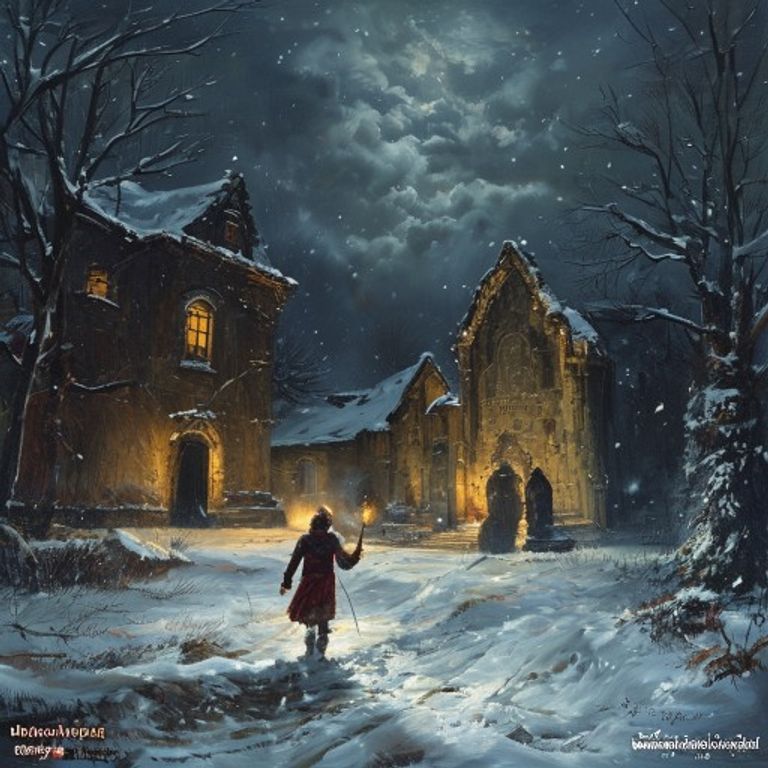
Zima: Zimní návštěva Arcibiskupského zemanství v Kopřivnici nabízí jedinečné pohledy na historickou památku pod pokrývkou sněhu, což může být zvláště poutavé pro milovníky klidu a tichosti. Atmosféra je mírně melancholická, ale přitom klidná a vybavení se často omezuje kvůli zimním podmínkám. Dny jsou kratší a památka může být otevřená pouze v omezenějších hodinách, takže je důležité si ověřit aktuální čas otevření. Doporučuje se nosit teplé oblečení a vhodné obuv na chladný povrch, zejména pokud plánujete procházku po okolním území. Nejlepší časem je obvykle odpoledne, když je sluneční světlo nejsilnější a nejteplejší.
Visualizations and artistic views

Vizualizace jsou generovány umělou inteligencí a slouží jako inspirace.


Tips from visitors
No tips yet. Be the first!
Log in and add your tip.
Location on the map


Příběhy a pověsti
Legendy, pověsti a příběhy spjaté s touto památkou
Reviews and comments