





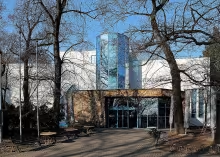
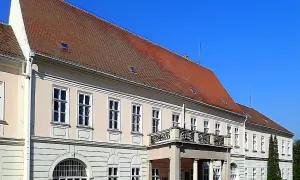
The Anthropos Pavilion is located in Pisárky within Brno's South Moravian region. It operates under the Moravské zemské muzeum and focuses on early human settlement in Moravia and Europe, named after the Greek word for 'human'. The pavilion highlights prehistoric eras through permanent exhibitions that explore ancient technologies, art, and evolutionary biology.
Anthropos originated from a 1928 exhibition titled "Man and His Kin," organized by archaeologist Karel Absolon at the Brno Exhibition Centre. Supported by Czechoslovakia's first president, Tomáš Garrigue Masaryk, and entrepreneur Tomáš Baťa, financial constraints during the Great Depression and World War II delayed its establishment as an independent institute. In the 1950s, Jan Jelínek, Absolon’s successor and then Director of the Moravian Museum, initiated construction of a dedicated pavilion in Brno-Pisárky. It officially opened to the public in 1961.
Architect Evžen Šteflíček designed the pavilion, completed in 1962 near Absolon's original exhibition site. This structure replaced one destroyed during World War II. Between 2003 and 2006, significant renovations were made with funding from the Czech Republic’s Ministry of Culture to address its deteriorating condition.
The permanent exhibitions are divided into three parts. The first part, "Moravian Hunters and Gatherers," explores early human life in Moravia, showcasing artifacts depicting ancient hunting practices and gathering techniques. It also features "The Oldest Art of Europe" with pieces like the Venus of Willendorf, exhibited outside Austria for the first time here. This section delves into "Palaeolithic Technologies," providing insights into tools and methods used by early humans.
The second part covers themes such as "Genetics in the Evolution of Man" and "The Story of Mankind." These sections offer a comprehensive look at human evolution through genetic studies and historical narratives tracing humanity's development over millennia.
The third section, titled "Cousins or Brothers? – Ethology of Primates," examines behavioral similarities between humans and primates. It aims to provide visitors with an understanding of our closest animal relatives and their social structures.
Throughout its history, Anthropos has been a site of cultural significance, especially during post-World War II Czechoslovakia when there was renewed interest in historical studies. The museum's interactive exhibits, including life-sized models like the mammoth, make it appealing to families and children. Its location on the right bank of the Svratka River adds scenic charm.
Today, the Anthropos Pavilion remains an important cultural institution offering insights into human history through well-curated exhibitions. It is accessible to those interested in exploring prehistoric life and understanding humanity's evolutionary journey. The museum’s commitment to education and preservation makes it a worthwhile destination for anyone keen on learning about our ancient past.
The Anthropos Pavilion stands as a testament to enduring curiosity about human origins, offering an enriching experience that connects visitors with the distant past. Its unique exhibits and historical significance make it a must-visit site for those interested in anthropology and history.
Historical milestones
- 1928
- Initial exhibition 'Man and His Kin' organized.
- 1962
- Completion of the Anthropos Pavilion building.
- 2003
- Start of major reconstruction due to poor condition.
- 2006
- Reconstruction completed and pavilion reopened.
Architectural development
The pavilion was originally part of an exhibition in 1928, but it was destroyed during World War II. In the post-war period, Jan Jelínek spearheaded the construction of a new building near its original site. The structure, completed in 1962 by architect Evžen Šteflíček, underwent significant renovation from 2003 to 2006.
Historical events
1928: Initial exhibition 'Man and His Kin' organized by Prof. Karel Absolon, supported by President Tomáš Garrigue Masaryk and industrialist Tomáš Baťa.
1962: Completion of the Anthropos Pavilion building designed by Evžen Šteflíček.
2003-2006: Major reconstruction completed in 2006 with funding from the Ministry of Culture of the Czech Republic.
Points of interest
- The Anthropos Pavilion was originally conceptualized from a 1928 exhibition titled "Man and His Kin," organized by the renowned archaeologist Karel Absolon. This early effort laid the groundwork for what would become a significant cultural institution.
- Despite receiving support from Czechoslovakia's first president, Tomáš Garrigue Masaryk, and entrepreneur Tomáš Baťa, financial difficulties during the Great Depression and World War II delayed the establishment of Anthropos as an independent institute until the 1960s.
Guide
Show guide text
Welcome to the Anthropos Pavilion, a remarkable part of the Moravian Museum in Brno, Czech Republic. As you stand here at Pisárky, take a moment to soak in the atmosphere surrounding this architectural gem dedicated to exploring the earliest history of human settlement in Moravia and Europe.
The journey of the Anthropos Pavilion began with an initial exhibition titled "Man and His Kin" organized by Karel Absolon in 1928. This early endeavor laid the foundation for what would become a significant cultural institution, reflecting a deep interest in our ancestral roots. The pavilion itself was completed in 1962, thanks to the vision of renowned anthropologist Jan Jelínek, who played a pivotal role in its establishment post-World War II.
Designed by Evžen Šteflíček, the architecture of the Anthropos Pavilion is something you should definitely take note of. Its design reflects both functionality and aesthetic appeal, serving as an ideal space for delving into human history. As you look around, notice how the structure harmoniously blends with its surroundings while providing a unique environment to explore the permanent exhibitions divided into three sections.
The pavilion's story is intertwined with several key figures in Czech history. Karel Absolon, whose early work sparked this cultural journey, and Jan Jelínek, who later contributed significantly to the pavilion’s development, are central to its narrative. Other notable personalities such as Tomáš Garrigue Masaryk and Tomáš Baťa have also played roles in shaping its legacy.
One intriguing aspect of the Anthropos Pavilion is its resilience through time. Despite facing challenges, including a major reconstruction starting in 2003 due to poor condition, it was successfully reopened in 2006. This restoration effort underscores the pavilion's enduring importance and commitment to preserving history for future generations.
As you continue your visit, allow yourself to be drawn into the stories these exhibitions tell, each offering insights into our shared human past. We invite you to explore further, uncovering more about this fascinating place where history meets culture. Thank you for choosing to experience the Anthropos Pavilion with us. Enjoy your journey through time!
Tips for visitors
The best time to visit the Anthropos Pavilion is during late spring or early autumn when the weather is pleasant, and the surrounding nature of Pisárky is at its most vibrant. These seasons offer comfortable temperatures for exploring both indoors and outdoors without the crowds that summer might bring. Additionally, visiting on a weekday can provide a more tranquil experience as weekends tend to be busier.
Parking near the Anthropos Pavilion is available in designated areas close to the site, making it convenient for those traveling by car. For visitors preferring public transport, the pavilion is accessible via local buses and trams from Brno's city center. It's advisable to check the latest schedules on a reliable transit website or app before your visit to ensure smooth travel.
When planning your visit, consider bringing comfortable walking shoes as you'll likely explore both indoor exhibits and outdoor areas around the pavilion. A water bottle is also recommended, especially during warmer months, to stay hydrated while enjoying the scenic surroundings of the Svratka River.
For photography enthusiasts, early morning or late afternoon provides the best natural light for capturing stunning photos of the Anthropos Pavilion and its picturesque setting by the river. The play of light through the pavilion's architecture can create captivating images, especially during these times when shadows add depth to your shots.
Located within a 30-minute drive from Brno, the Exhibition Grounds offer a variety of cultural and educational experiences that complement a visit to the Anthropos Pavilion. Families with children will find interactive exhibits and activities designed to engage visitors of all ages, making it an ideal spot for a day out exploring both history and science.
Businesses nearby
Do you run a restaurant, accommodation, shop, museum, rental, wellness or other visitor service near this monument? Show yourself directly to the people heading to it — this is how they will see you in the app and on the web:
Events nearby


Event source: Kudy z nudy and open data of the Czech Republic
Nearby
Located on the right bank of the Svratka River in Pisárky, near Brno's Exhibition Grounds. The area is known for its scenic beauty.
Accommodation nearby
Trips and activities nearby
Guided tours, tickets and activities nearby from GetYourGuide
Search tours and activities →Themed route
Thematic Walking Tour: Anthropos Museum and Surroundings
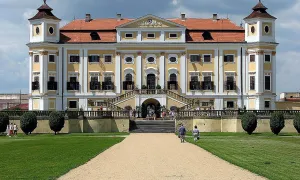
1. Anthropos Museum - Type: Cultural Site - Why Visit: As the main highlight of this tour, the Anthropos Museum offers an immersive journey into human history through its extensive collection of artifacts from prehistoric times to the present day. The museum's exhibitions provide insights into cultural evolution and are housed in a beautifully restored 18th-century manor house.
2. Svratka River Promenade - Type: Scenic Route - Why Visit: Located on the right bank of the Svratka River, this picturesque promenade offers visitors a tranquil setting to enjoy nature's beauty and reflect on the historical significance of the area. The riverbank is perfect for leisurely walks or picnics, providing stunning views that complement the cultural experience at Anthropos.
3. Exhibition Grounds (Brno) - Type: Cultural Venue - Why Visit: Just a short distance from Pisárky, these grounds are renowned for hosting numerous international exhibitions and events. While primarily known for their modern architecture and vibrant atmosphere during events, the Exhibition Grounds offer an interesting contrast to the historical ambiance of Anthropos, showcasing Brno's role as a cultural hub.
This tour seamlessly blends history with natural beauty, offering visitors a comprehensive experience that highlights both the rich cultural heritage and scenic landscapes of the Pisárky area.
Seasonal recommendations
Jaro: V jarním období Anthropos muzeum nabízí jedinečný zážitek, kdy se příroda kolem začíná probouzet ze svého zimního spánku. Přítomnost nově vyrůstajících stromů a kvetoucích keřů dodává návštěvníkům pocit oživení, což je ideální prostředí pro prozkoumání historických exponátů. Vzhledem k obecnému zvýšení teploty v této sezóně doporučujeme návštěvu ranními hodinami, abyste se vyhnuli možným davům a užili si mírnou jarní atmosféru. Oblečte se vhodně podle teploty – odlehčené oblečení s přilbou pro ochranu proti slunečnímu svitu.
Léto: Léto v Anthropos muzeu je obdobím, kdy se místní a návštěvníci sjednocují ve snaze užít si teplých dnů. Atmosféra je plná života s kvetoucími zahradami kolem a přírodními barvami, které oslnit mohou. Při návštěvě v hlavní letní sezóně doporučujeme dorazit co nejdříve ráno, abyste se vyhnuli vrcholovým časům a přetíženému muzeu. Nezapomeňte si vzít slunečník, ochrannou krém a dostatek pitné vody, protože teploty mohou být vysoké. Teplé oblečení je vhodné pro ranní hodiny, zatímco ve stinných prostorách muzea se můžete uvolnit.
Podzim: V podzimu Anthropos nabízí návštěvníkům pohled na krajinné krásy, které přichází s barevným listním padáním. Atmosféra je klidná a mírná, což vytváří ideální podmínky pro relaxovanou procházku po expozicích. Toto období může být také vhodné pro návštěvy bez příliš velkých davů, zejména v adventním čase, kdy je atmosféra plná mírného zimního vzduchu. Doporučujeme si vzít s sebou lehký deky nebo kabát pro ochranu proti chladnému vítru a užívat si návštěvy v klidných prostorách muzea.
Zima: Zimní návštěva Anthropos muzea nabízí jedinečný zážitek, kdy je atmosféra poklidná a mírně chladná. Příroda kolem se překládá do sněhového ráje s bělostnou deštivou krajinou, což může dodat historickým exponátům ještě větší poutavost. Otevírací doba muzea se zkracuje a návštěvníci by měli plánovat své prohlídky během denních hodin, abychom užili maximální čas. Doporučujeme si vzít teplou bundu, deky a ochranné boty, aby vás chladný vítr nezaskočil. Ráno je ideálním časem pro návštěvu, když je muzeum méně navštívené a atmosféra klidná.
Visualizations and artistic views


Vizualizace jsou generovány umělou inteligencí a slouží jako inspirace.


Tips from visitors
No tips yet. Be the first!
Log in and add your tip.



Reviews and comments