





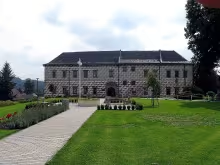
Zámek Tatenice stands as an exceptional example of Renaissance architecture in the village of Tatenice, located about 13 kilometers west of Zábřeh. Originally built as a late medieval fortress in the late 13th century, it was transformed into a single-story hunting lodge by Ladislav Velen ze Žerotína in 1606. The castle is renowned for its exquisite Renaissance stucco work, considered one of the peaks of Moravian Renaissance art. Its symmetrical layout with four wings surrounding a small courtyard and notable rooms like the Main Hall, which rivals the Imperial Room at Bučovice Castle, make it an architectural marvel.
The origins of Zámek Tatenice trace back to its first mention as a fortress in 1287. Situated on a significant trade route from Moravia into Bohemia, the village of Tatenice was initially divided between the Koruna Mariina monastery and the Hoštejn estate. The Šternberk family owned the fortress until 1418, after which it passed through several hands including the Švihovští z Rýzmberka, Tunklové z Brníčka, Krčmové z Koněpas, and later the páni z Boskovic and páni z Dubé. In 1600, Ladislav Velen ze Žerotína acquired the site, transforming it into a Renaissance hunting lodge by 1606 with significant Italian Renaissance influences. The transformation incorporated elements of the original fortress, such as cellars under the eastern wing and parts of the surrounding walls.
Architecturally, Zámek Tatenice evolved from its medieval roots to embody the elegance of the Renaissance. Ladislav Velen's vision included a symmetrical layout with four wings enclosing a small courtyard. The northern wing features an ornate Renaissance portal, while the eastern wing retains parts of the original fortress structure. The interior is adorned with lavish stucco work, showcasing motifs and designs that highlight Moravian Renaissance craftsmanship. The Main Hall stands out for its opulent decoration, rivaling even the Imperial Room at Bučovice Castle.
Throughout its history, Zámek Tatenice has seen a succession of owners and dramatic changes in fortune. After Ladislav Velen's involvement in the anti-Habsburg uprising led to his exile and the confiscation of his properties, the castle was acquired by the Lichtenštejn family. Under their ownership, it served primarily as an administrative center rather than a residential estate. In 1787, it was sold to a local landowner who converted it into a rural dwelling, leading to further decline until its eventual restoration in the late 20th century.
Today, Zámek Tatenice is not only a cultural monument but also serves practical purposes as it houses the local municipal office and continues to operate as a restaurant. The castle's rich history and stunning architecture make it a worthwhile visit for those interested in Renaissance art and Moravian heritage. Its preservation allows visitors to appreciate the intricate stucco work and historical significance of this remarkable site, inviting exploration and reflection on its storied past.
Historical milestones
- 1287
- Tatenice Castle is first mentioned as a fortress.
- Late 13th century
- Construction of the original late medieval fortifications.
- 1418
- The castle passed into the ownership of the Šternberk family.
- 1600
- Ladislav Velen ze Žerotína acquires the castle.
- 1606
- Transformation into a Renaissance hunting pavilion.
- After 1620
- Confiscation of Ladislav Velen ze Žerotína's property following his rebellion agai
Architectural development
Tatenice Castle evolved from a medieval fortress to a Renaissance structure. The transformation began in 1600 when Ladislav Velen acquired the site and completed it as a hunting lodge by 1606, incorporating Italian Renaissance influences. The castle features a symmetrical layout with four wings, including an ornate Renaissance portal on its northern wing.
Historical events
The castle was initially mentioned as a fortress in 1287.
Transformed into a Renaissance hunting lodge by Ladislav Velen ze Žerotína in 1606.
Owners
Šternberk family (until 1418)
Švihovští z Rýzmberka (1418–1446)
Tunklové z Brníčka (1453–1478)
Krčmové z Koněpas (1480–1516)
Páni z Boskovic and later páni z Dubé (from 1517)
Ladislav Velen ze Žerotína (1600, transformed in 1606)
Lichtenštejn family (after 1620)
Points of interest
- Zámek Tatenice was originally a late medieval fortress before being transformed into a Renaissance hunting lodge in 1606, showcasing an unusual evolution from military fortification to a leisure estate. - The castle's Main Hall is noted for its opulent decoration that rivals the Imperial Room at Bučovice Castle, highlighting the exceptional artistry of Moravian Renaissance stucco work.
Guide
Show guide text
Welcome to the enchanting Zámek Tatenice, a jewel nestled in the village of Tatenice, just a short journey westward from Zábřeh. As you stand here today, surrounded by the gentle embrace of nature, imagine stepping back into a time where history and artistry intertwine seamlessly.
The story of this castle begins in the late 13th century when it was first mentioned as a formidable fortress. Built during an era when castles were both bastions of defense and symbols of power, Tatenice's origins are steeped in medieval might. Over centuries, its ownership changed hands, notably coming under the care of the Sternberk family by 1418. However, it was not until 1600 that Ladislav Velen ze Žerotína acquired this majestic site.
Ladislav Velen ze Žerotína envisioned a transformation of this medieval fortress into something far more refined and luxurious—a single-story Renaissance hunting lodge completed in 1606. The architect behind this remarkable metamorphosis was Jan Mottala de Bonnamone, whose vision brought the castle's stucco work to life. Today, as you gaze upon its façade, marvel at how these exquisite details have withstood the test of time, making Tatenice Castle a pinnacle of Moravian Renaissance artistry.
As we delve deeper into what makes this place extraordinary, let your eyes wander over the Main Hall. Here lies an opulence that rivals even the most lavish rooms of European royalty. The stucco work within is not just decoration; it's a narrative in plaster and paint, telling tales of hunts and feasts, of nobility and art.
The castle's history is also marked by intrigue and drama. Following Ladislav Velen ze Žerotína’s bold stand against the Habsburgs, his properties were confiscated after 1620. Yet, despite these turbulent times, Tatenice Castle has emerged as a beacon of cultural heritage, its walls echoing stories from centuries past.
One can't help but be captivated by the castle's evolution—from a military fortification to a leisure estate that celebrated the Renaissance spirit. It’s this unique journey through history and art that makes Zámek Tatenice not just a site to visit, but an experience to immerse oneself in.
As your exploration of Tatenice Castle concludes, I invite you to linger a moment longer in its presence. Let the whispers of history envelop you, and may the beauty of this Renaissance masterpiece inspire you to explore further, beyond what meets the eye. Thank you for joining me on this journey through time at Zámek Tatenice. Safe travels as you continue your adventure into the past.
Tips for visitors
The best time to visit Tatenice Castle is during the late spring or early autumn months, when the weather is mild and pleasant for exploring both the castle grounds and its surrounding natural beauty. During these seasons, you can enjoy the lush greenery of the fields and forests without the crowds that often accompany peak tourist times in summer. The lighting conditions are also ideal for photography, with soft morning light or golden hour hues enhancing the Renaissance architecture.
Parking at Tatenice Castle is convenient, as there are designated areas nearby where visitors can leave their vehicles. For those preferring public transport, the castle is accessible by bus from Zábřeh and other nearby towns; however, it's advisable to check current schedules online or with local travel services for the most up-to-date information. The journey offers an opportunity to appreciate the scenic rural landscape en route.
When visiting Tatenice Castle, consider bringing comfortable walking shoes as you’ll likely be exploring both indoor and outdoor areas. A camera is recommended to capture the stunning architecture and picturesque surroundings, especially near the castle's gardens where light plays beautifully through the trees. Don’t forget a hat or sunscreen if visiting during warmer months, and perhaps a picnic lunch to enjoy in one of the quieter spots around the estate.
For photography enthusiasts, some of the best spots include the main courtyard for capturing the grandeur of the Renaissance architecture, and the gardens where natural light filters through the foliage. Early morning or late afternoon are ideal times for the most flattering lighting conditions. Families with children will find the castle’s open spaces perfect for a leisurely stroll, and there is plenty to see nearby within 30 minutes' drive, such as the Třebovka River area which offers opportunities for outdoor activities.
Businesses nearby
Do you run a restaurant, accommodation, shop, museum, rental, wellness or other visitor service near this monument? Show yourself directly to the people heading to it — this is how they will see you in the app and on the web:
Nearby
Tatenice Castle is situated in a rural landscape, surrounded by fields and forests. Nearby natural features include the Třebovka River, approximately 5 kilometers away.
Accommodation nearby
Themed route
Tematická výletní trasa zámek Tatenice
1. Zámek Tatenice (zámek) Start your tour at the historic site of Castle Třebeň, which boasts a rich history and architectural gems from various periods. It's an ideal place for those who love history and art, with its captivating interiors and beautiful park.
2. Park Zámku Tatenice (park) Explore the surrounding castle park, offering peaceful walks among trees and cozy spots perfect for relaxation or a picnic. The park is an excellent place to enjoy nature and outdoor surroundings.
3. Třebovka River (natural feature) From anywhere in the vicinity, take a look at the Třebovka River, which is about 5 kilometers from the castle. It's a beautiful example of serene and picturesque countryside scenery, ideal for those who want to enjoy views of a waterway or even consider short river trips.
4. Lesy kolem Tatenice (natural feature) Explore the surrounding forests that encircle the castle and offer opportunities for walks or picnics. The woods are an ideal spot for nature lovers and those seeking a peaceful place far from city noise.
This tour offers a combination of historical and natural experiences, perfect for a full-day excursion in the Pardubice Region.
Seasonal recommendations
Spring: Visiting Tátenice Castle during the spring offers a unique experience as nature awakens, with blooming gardens and lush greenery surrounding the historic site. The castle is bathed in soft light that enhances its architectural beauty, creating an enchanting atmosphere perfect for photography enthusiasts. This period often sees fewer visitors compared to summer, allowing for a more relaxed exploration of the grounds. It's advisable to wear comfortable walking shoes as you explore the gardens and paths, and carry a light jacket or sweater due to variable temperatures.
Summer: The castle is particularly vibrant during the summer months when the surrounding landscape is in full bloom, providing a picturesque backdrop for visitors. This season attracts larger crowds, especially on weekends and holidays, so arriving early can help avoid long lines at popular spots within the grounds. It's important to wear light, breathable clothing and bring sunscreen, hats, or sunglasses to protect against the sun. The castle often extends its hours during this peak period, offering more time for exploration.
Autumn: Autumn is a magical time to visit Tátenice Castle as the foliage transforms into vibrant shades of red, orange, and yellow, creating a stunning visual spectacle. This season offers a serene atmosphere with fewer visitors compared to summer, allowing for a peaceful stroll through the beautifully colored gardens. It's recommended to wear layers, including a warm coat or jacket, as temperatures can drop significantly in the evenings. Carrying an umbrella is also wise due to unpredictable weather patterns.
Winter: The castle takes on a different charm during winter when it may be covered in snow, offering a picturesque and almost fairy-tale-like setting. While some areas might have reduced opening hours or even close temporarily, visiting during this time provides a unique perspective of the architecture against the snowy landscape. It's essential to dress warmly with thermal layers, hats, gloves, and waterproof boots due to cold temperatures and potential snowfall. Checking in advance for any seasonal closures or changes in operating hours is advisable.
Visualizations and artistic views

Vizualizace jsou generovány umělou inteligencí a slouží jako inspirace.

Tips from visitors
No tips yet. Be the first!
Log in and add your tip.
Location on the map



Příběhy a pověsti
Legendy, pověsti a příběhy spjaté s touto památkou
Reviews and comments