





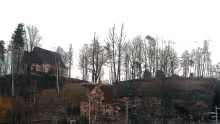
The ruins of Starý Rokytník Castle stand as a testament to the rich history of the Czech lands. Located near the Church of St. Simon and Jude in the village of Starý Rokytník, part of Trutnov city, this site has witnessed significant historical transitions through various ownerships and purposes. Originally constructed as a fortress in the 15th century, it evolved from a medieval stronghold to a Jesuit summer residence before declining into ruins after a fire at the beginning of the 19th century.
Starý Rokytník Castle's origins trace back to the 15th century when it was established as a fortress. The exact motivations behind its construction remain undocumented, but during this period, Bohemia experienced considerable political and religious upheaval, including events like the Hussite Wars. These broader historical contexts likely influenced the need for fortified structures such as Starý Rokytník. By 1529, it was recognized as a seat of Jindřich Berka z Dubé, indicating its significance in regional governance or defense.
Architecturally, the initial structure was typical of medieval fortresses, designed to serve defensive purposes. However, by the early 18th century, the Jesuits acquired the property following its confiscation from Marie Magdalena Trčková z Lobkovic in 1622 and subsequent transfer after the White Mountain Defeat. The Jesuits undertook a significant transformation of the site, constructing a new castle in the mid-1740s to serve as their summer residence. This construction reflected the architectural style and functional needs of the period, although specific details about its design remain sparse.
Ownership of Starý Rokytník Castle changed hands several times, each transition marking a shift in its historical narrative. Initially under Jindřich Berka z Dubé's control, it later passed to Adam Zilvár z Pilníkova following Berka’s death. The confiscation and subsequent purchase by Marie Magdalena Trčková z Lobkovic in 1622 marked a pivotal moment, as the property was then seized from the Trčkov family after their defeat at the Battle of White Mountain. In 1634, Emperor Ferdinand II granted ownership to the Jesuits, leading to the construction of the new castle that would later become central to its history.
Key events in the castle's timeline include its confiscation and repurposing by various powers, reflecting broader political dynamics in Bohemia. The Jesuit era was particularly transformative, as their influence extended across Europe during this period. However, a fire at the beginning of the 19th century led to the castle’s decline, preventing any restoration efforts and leaving only remnants of its once-grand structure.
Today, Starý Rokytník Castle exists primarily as ruins, with only fragments of its original walls remaining. These remnants offer visitors a glimpse into its storied past, set against picturesque landscapes surrounding the site. Accessibility is facilitated by a green-marked tourist trail from Kryblice to Suchovršice, with an additional blue-marked path diverging near the church towards Bohuslavice nad Úpou. This makes it an attractive destination for those interested in exploring historical sites and enjoying the natural beauty of the region.
Starý Rokytník Castle stands as a poignant reminder of the layers of history that have shaped this part of the Czech Republic. Its ruins invite visitors to reflect on the passage of time, the rise and fall of influential figures, and the enduring legacy of architectural endeavors. For those interested in history, architecture, or simply seeking a serene escape into nature, Starý Rokytník offers a unique opportunity to connect with the past while appreciating the present landscape.
Historical milestones
- 1529
- Mentioned as a seat for Jindřich Berka z Dubé.
- 1622
- Purchased by Marie Magdalena Trčková z Lobkovic after confiscation.
- 1634
- Confiscated from the Trčkov family and given to Jesuits.
- 1740s
- Jesuits built a new castle on the site.
Architectural development
The site initially featured a fortress from the 15th century, which was later replaced by a more elaborate castle built by the Jesuits in the mid-18th century. The new structure served as their summer residence but was never restored after being damaged by fire at the start of the 19th century.
Historical events
Construction of the original fortress in the 15th century.
Confiscation and purchase by Marie Magdalena Trčková z Lobkovic in 1622.
Construction of a new castle by Jesuits in the 1740s.
Fire at the beginning of the 19th century leading to its ruin.
Owners
Jindřich Berka z Dubé (1529)
Adam Zilvár z Pilníkova (after Jindřich's death)
Marie Magdalena Trčková z Lobkovic (1622, post-White Mountain Defeat confiscation)
Jesuits (post-1634 confiscation)
Points of interest
- The exact motivations behind the construction of Starý Rokytník Castle in the 15th century remain undocumented, but it likely served defensive purposes during a period marked by political and religious upheaval, such as the Hussite Wars.
- After its confiscation from Marie Magdalena Trčková z Lobkovic following the Battle of White Mountain, Starý Rokytník Castle was granted to the Jesuits in 1634. This transition illustrates how major historical events like the Thirty Years' War impacted property ownership and usage in Bohemia.
Guide
Show guide text
Welcome to the enchanting ruins of Starý Rokytník Castle, nestled near the Church of St. Simon and Jude in the village of Starý Rokytník, part of Trutnov. As you stand here amidst these historic remnants, imagine the grandeur that once stood tall against the backdrop of this serene landscape.
The origins of Starý Rokytník Castle trace back to the 15th century when it was initially constructed as a fortress. This period was marked by political and religious upheaval, including events like the Hussite Wars, which likely influenced its initial purpose for defense. Over time, the castle evolved into an important estate under various owners.
One of the earliest recorded mentions is from 1529, when Jindřich Berka z Dubé held it as his seat. The castle's fortunes changed dramatically in 1622 when Marie Magdalena Trčková z Lobkovic acquired it after a confiscation. However, just twelve years later in 1634, the property was once again confiscated from the Trčkov family and given to the Jesuits, who saw its strategic potential.
In the 1740s, the Jesuits undertook an ambitious project by constructing a new castle on this site to serve as their summer residence. Although the architects remain unknown, the remnants of their work speak volumes about the craftsmanship and vision that went into creating such a structure.
As you wander through these ruins, take a moment to appreciate the architectural elements that have withstood the test of time. Notice how the stones tell stories of resilience and adaptation, reflecting both defensive needs and later residential elegance. The castle's layout and remnants hint at its evolution from a fortress to an estate fit for Jesuit occupancy.
Several key figures are intertwined with Starý Rokytník Castle’s history. Jindřich Berka z Dubé, who first held it as his seat, left an indelible mark on the property. Adam Zilvár z Pilníkova and Marie Magdalena Trčková z Lobkovic also played significant roles in its storied past.
One intriguing aspect of Starý Rokytník Castle is the mystery surrounding its original construction motivations in the 15th century. While it's believed to have served defensive purposes during tumultuous times, precise details remain undocumented, adding an air of mystique to this historic site.
As you conclude your visit here, let these ruins inspire a sense of wonder and curiosity about the layers of history they hold. We invite you to explore further, perhaps delving into the stories that shaped not just this castle but also the broader tapestry of Trutnov’s past. Thank you for joining us on this journey through time at Starý Rokytník Castle. Safe travels as you continue your exploration!
Tips for visitors
The best time to visit the ruins of Starý Rokytník Castle is during late spring or early autumn when the weather is mild, making it ideal for exploring the area comfortably. During these seasons, you can enjoy the lush landscapes and vibrant colors without the summer crowds or winter chill. Additionally, visiting in these months provides optimal lighting conditions for photography, capturing the ruins with a soft natural light that enhances their historical charm.
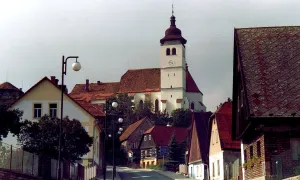
Parking and transportation to Starý Rokytník Castle are convenient; visitors can drive to the nearby village of Starý Rokytník where parking is available. Alternatively, public transport options such as buses may be used, but it's advisable to check current routes online for the most accurate information. The castle ruins are a short walk from the Church of St. Simon and Jude, making them easily accessible once you've arrived in Starý Rokytník.
When visiting the castle ruins, consider bringing comfortable walking shoes as there may be uneven terrain around the site. A hat, sunscreen, and water are also recommended to stay protected and hydrated during your exploration. Additionally, a camera or smartphone is useful for capturing the picturesque views of the ruins and surrounding landscapes. For those interested in learning more about the history, a guidebook or map can enhance the experience.
Photography enthusiasts will find several spots around Starý Rokytník Castle that offer stunning perspectives. The best light for photography is during the golden hours—shortly after sunrise or before sunset—when the soft lighting accentuates the textures of the ruins. Capturing the castle from a distance can highlight its majestic silhouette against the backdrop of the surrounding hills, while closer shots reveal intricate details of the remaining structures.
Nearby attractions within 30 minutes include the Church of St. Simon and Jude, which is worth visiting for its architectural beauty and serene atmosphere. For those interested in hiking, trails leading through scenic routes offer a chance to explore the natural beauty of the region. These trails provide opportunities for both leisurely walks and more challenging hikes, making them suitable for visitors with varying levels of fitness.
Businesses nearby
Do you run a restaurant, accommodation, shop, museum, rental, wellness or other visitor service near this monument? Show yourself directly to the people heading to it — this is how they will see you in the app and on the web:
Nearby
The area around Starý Rokytník Castle features picturesque landscapes, including a nearby church and trails leading through scenic routes. The region is rich in natural beauty and offers opportunities for hiking and exploration.
Accommodation nearby
Themed route
Tematická výletní trasa kolem zříceniny Starý Rokytník
1. Zámek Starý Rokytník (zřícenina) *Typ:* Historická památka *Proč stojí za návštěvu:* Zámek Starý Rokytník je fascinujícím historickým místem, které přitahuje svou zříceninovou krásou a poutavou minulostí. Navštívte tento klidný kout v obci Trutnov, abyste prozkoumali jeho starobylé stěny a si užili panoramatických výhledů na okolní krajinu.
2. Kostel svatého Jiljí *Typ:* Religiozní památka *Proč stojí za návštěvu:* Přibližně 1 km od zámku se nachází kostel svatého Jiljí, který je známý svou architektonickou krásou a klidem. Toto místo nabízí výhledy na okolní krajinu a představuje důležitý kulturní bod pro místní obyvatele.
3. Trasy pro procházky *Typ:* Přírodní cesta *Proč stojí za návštěvu:* Okolí zámku Starý Rokytník nabízí krásné trasy vhodné pro procházky a pikniky. Tyto cesty vede skrz působivou krajinu, která je ideální pro relaxaci na přírodě a poznání místní flóry a fauny.
Tato trasa nabízí kombinaci historických objevů a přírodních krás, což ji činí perfektním zážitkem pro všechny, kteří chtějí poznat oblast kolem Trutnova.
Seasonal recommendations
Spring: Visiting the ruins of Starý Rokytník Castle during spring offers a unique experience as nature begins to awaken. The surrounding landscape is adorned with vibrant wildflowers and fresh greenery, creating a picturesque setting that enhances the historical ambiance of the site. As daylight hours extend, visitors can enjoy softer, warmer light that beautifully illuminates the ancient stones. However, be mindful of potential rain showers typical in this season; wearing waterproof layers and comfortable walking shoes is advisable. Early mornings are ideal for exploring to avoid larger crowds as people flock to enjoy the blooming scenery.
Summer: Summer at Starý Rokytník Castle is characterized by long daylight hours and warm weather, making it perfect for leisurely exploration of the expansive grounds. The lush greenery and abundant wildlife create a lively atmosphere, though this season also attracts more visitors due to its popularity as a tourist destination. To fully enjoy your visit, arrive early in the day when temperatures are cooler and crowds are thinner. Wearing light, breathable clothing along with a sun hat and sunscreen is recommended to stay comfortable under the summer sun.
Autumn: Autumn brings a magical transformation to Starý Rokytník Castle as the foliage turns into shades of red, orange, and gold. The crisp air and softer lighting create an enchanting atmosphere that complements the historical ruins beautifully. This season is less crowded than summer, providing a more serene experience for visitors who appreciate both history and nature. Layered clothing is essential to adapt to fluctuating temperatures, and carrying a light jacket or sweater can ensure comfort during cooler afternoons.
Winter: The winter months at Starý Rokytník Castle offer a quiet and atmospheric visit as snow blankets the ruins in a serene white cover. The stark beauty of the landscape under winter skies provides a dramatic backdrop to the ancient stones, making for stunning photographic opportunities. Shorter days mean that visits need to be planned around limited daylight hours, and it’s crucial to dress warmly with thermal layers, gloves, and sturdy boots to navigate potentially icy paths. The castle's tranquility during this season makes it an ideal time for those seeking a peaceful retreat from the bustle of holiday crowds.
Visualizations and artistic views

Vizualizace jsou generovány umělou inteligencí a slouží jako inspirace.


Tips from visitors
No tips yet. Be the first!
Log in and add your tip.



Reviews and comments