





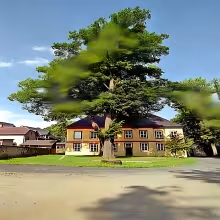
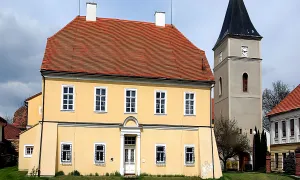
Zámek Pohled stands as a testament to centuries of transformation in the town of Pohled, Vysočina Region, Czech Republic. Originally founded as a Cistercian convent in the 13th century, it has evolved into a noble residence and cultural monument. Its significance lies not only in its architectural evolution but also in its rich history reflecting broader socio-political changes.
The origins of Zámek Pohled trace back to the establishment of a Cistercian convent, Údolí blahoslavené Panny Marie or Vallis beatae Virginis. Ludmila z (Staré) Říše founded it in 1265 to aid her sister Kateřina. By 1267, the village of Pohled was purchased, and papal recognition from Gregory X followed in 1272. This period saw significant ecclesiastical support, including endorsements from figures such as Přemysl Otakar II and Prague Bishop Jan III z Dražic.
Architecturally, Zámek Pohled began as a wooden structure typical of early Cistercian establishments but underwent substantial changes over the centuries. By around 1351, these structures were replaced with stone buildings, reflecting both practical needs and aesthetic shifts. The most notable transformation occurred between 1652 and 1690 when it was renovated in the baroque style, enhancing its grandeur.
Ownership of Zámek Pohled has seen dramatic changes throughout history. Following its dissolution during the Josephine reforms in 1782, it transitioned from ecclesiastical to secular hands. Initially leased to Jošt z Jihlavy, who operated a cloth factory there, the estate was later acquired by Josef hrabě z Unwerthu in 1807. His successor, Evžen hrabě Sylva Tarouca, undertook significant renovations that further shaped its current appearance. By 1864, Klotylda Clam-Gallasová became the owner, marking another chapter in its storied history.
Several key events and curiosities are associated with Zámek Pohled. The convent faced destruction during various conflicts, including a fire in 1329 and raids by Hussite forces in the early 15th century. A local legend suggests that Jan Žižka and other Hussites met their end through poisoned food provided by nuns seeking revenge for past grievances. Despite these tumultuous events, the site has endured as a cultural landmark.
Today, Zámek Pohled is recognized as a protected cultural monument of the Czech Republic. Its historical significance and architectural beauty make it an intriguing destination for visitors interested in exploring its layered history. The castle's location on the right bank of the Sázava River adds to its allure, offering a blend of natural and cultural heritage that is both captivating and educational.
Zámek Pohled invites exploration not only as a monument but also as a narrative woven through time, reflecting the dynamic history of the region. Its preservation allows visitors to step back into different eras, appreciating the architectural evolution and historical events that have shaped this remarkable site.
Historical milestones
- 1265
- Ludmila z (Staré) Říše supports the foundation of a new Cistercian convent.
- 1267
- Smil z Lichtenburka's document mentions the purchase of Pohled village.
- 1269
- Přemysl Otakar II. confirms the foundation of the convent.
- 1271
- Prague Bishop Jan III. z Dražic supports the convent.
- 1272
- Pope Gregory X. acknowledges the convent's establishment.
Architectural development
The site began as a Cistercian convent, which was later transformed into a noble residence. The original wooden structures were replaced with stone buildings by around 1351. Significant baroque renovations occurred from 1652 to 1690, enhancing the architectural style of the estate.
Historical events
Foundation of the Cistercian convent in the 13th century.
Dissolution during Josephine reforms in 1782.
Baroque renovations between 1652 and 1690.
Owners
Cistercian convent (13th century - 1782)
Jošt z Jihlavy (1807)
Josef hrabě z Unwerthu (1807-1824)
Evžen hrabě Sylva Tarouca (1824-1877)
Klotylda Clam-Gallasová (1864-1899)
Points of interest
- The legend of Jan Žižka and the poisoned food is a dramatic tale linked to Zámek Pohled; it suggests that nuns sought revenge by poisoning Hussite forces after enduring raids, although historical evidence for this story remains elusive.
- Despite its turbulent history with fires and conflicts, including one in 1329 and attacks by Hussites, Zámek Pohled remarkably survived and transformed over the centuries into a baroque masterpiece between 1652 and 1690.
Guide
Show guide text
Welcome to the historic site of Zámek Pohled, a remarkable testament to centuries of architectural evolution and rich history. As you stand here in Pohled, within the Vysočina Region, take a moment to absorb the grandeur before you. The air is filled with whispers from the past, inviting you on a journey through time.
The story of Zámek Pohled begins in the 13th century when Ludmila z (Staré) Říše laid its foundation as a Cistercian convent. This spiritual haven was envisioned to serve as a beacon of faith and community. By 1267, Smil z Lichtenburka had already documented the acquisition of Pohled village, setting the stage for this sacred endeavor. The following year saw Přemysl Otakar II. confirming the foundation, further solidifying its importance in the region.
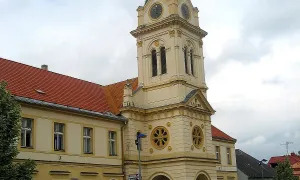
As you gaze upon the structure, notice the layers of history etched into every stone. Although specific architectural details are elusive, the baroque renovations from the late 17th and early 18th centuries have left their mark, transforming it from a convent to a noble residence following the Josephine reforms of 1782.
The site has been shaped by many influential figures over the years. In 1271, Prague Bishop Jan III. z Dražic lent his support, while Pope Gregory X. acknowledged its establishment in 1272. These endorsements highlight the convent's significance within both religious and royal circles.
Now, let your imagination wander to a time when Zámek Pohled was at the heart of dramatic tales. One such legend involves Jan Žižka, a key figure in Bohemian history, and the mysterious tale of poisoned food. According to this story, nuns sought revenge against Hussite forces by poisoning their provisions after enduring relentless raids—a tale shrouded in mystery due to scant historical evidence.
Despite its turbulent past with fires and conflicts, Zámek Pohled has stood resiliently through time. As you continue your exploration, consider the stories of those who walked these grounds: from Ludmila z (Staré) Říše to Evžen hrabě Sylva Tarouca, each left an indelible imprint on this site.
As we conclude our journey here at Zámek Pohled, I invite you to delve deeper into its mysteries and marvels. There is much more to discover within these walls and beyond them. Thank you for joining me today, and may your curiosity lead you to uncover even more hidden treasures in the Vysočina Region.
---
This audio guide has been crafted to bring history to life, offering a glimpse into the past while celebrating the enduring legacy of Zámek Pohled.
Tips for visitors
The best time to visit Zámek Pohled is during the late spring or early autumn months, from May to September. During these times, the weather is typically pleasant, allowing visitors to fully enjoy both the natural landscapes surrounding the castle and its historical architecture without the discomfort of extreme temperatures. The lush greenery in spring and vibrant foliage in autumn provide a picturesque backdrop that enhances the experience.
Parking and transportation options are convenient for those planning to visit Zámek Pohled. There is parking available near the site, making it accessible by car. For visitors preferring public transport, the castle can be reached via regional bus services from nearby towns. It's advisable to check current routes and schedules in advance using a travel planner or local transportation website to ensure smooth travel arrangements.
When visiting Zámek Pohled, it is recommended to bring comfortable walking shoes as exploring the grounds may involve some walking on uneven paths. Additionally, carrying a light jacket can be useful due to variable weather conditions. Don't forget your camera for capturing stunning views of the castle and its surroundings. Sunscreen and a hat are also advisable if you plan to spend extended time outdoors.
For photography enthusiasts, Zámek Pohled offers several excellent spots that capture its historical charm. The best light is typically found during the golden hours—shortly after sunrise or before sunset—when the soft lighting accentuates the castle's architectural details and the surrounding landscapes. The area near the Sázava River provides a scenic backdrop for photographs, especially with reflections on the water.
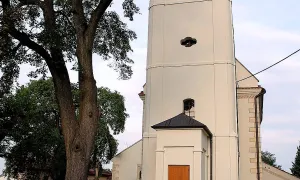
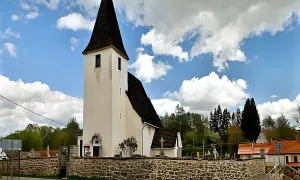
In addition to Zámek Pohled itself, visitors can explore nearby cultural heritage sites within a 30-minute drive or walk. Notably, there is a church in close proximity that offers insights into the region's rich history and architecture. Families with children may also enjoy exploring the natural landscapes around the castle, which include forests and fields perfect for leisurely walks or picnics.
Businesses nearby
Do you run a restaurant, accommodation, shop, museum, rental, wellness or other visitor service near this monument? Show yourself directly to the people heading to it — this is how they will see you in the app and on the web:
Nearby
Zámek Pohled is situated on the right bank of the Sázava River. The area features a blend of natural landscapes, including forests and fields, with cultural heritage sites like the nearby church.
Accommodation nearby
Themed route
Tematická výletní trasa zámek Pohled
1. Zámek Pohled *Typ:* Historický zámek *Proč stojí za návštěvu:* Zámek Pohled, postavený na pravém břehu řeky Sázavy, je vynikajícím příkladem barokní architektury. Jeho krásná zahrada a historické interiéry nabízejí návštěvníkům pohled na bohatou minulost této oblasti.
2. Kaple Panny Marie *Typ:* Náboženský objekt *Proč stojí za návštěvu:* Kaple se nachází nedaleko zámku a je známá svou klidnou atmosférou. Je to místo, kde můžete si užít krásného pohledu na okolní krajinu a prozkoumat historické prvky české sakrální architektury.
3. Lesy kolem zámku *Typ:* Přírodní prostor *Proč stojí za návštěvu:* Lesní oblasti kolem zámku nabízejí krásné procházky a možnost uvolnění v klidu přírody. Jsou ideálním místem pro milovníky přírody, kteří chtějí poznat divoké zvířata a kvetoucí rostliny regionu.
4. Polní oblasti kolem Sázavy *Typ:* Kulturní krajinářský prostor *Proč stojí za návštěvu:* Polní oblasti nabízejí pohled na tradiční zemědělské praktiky a krajinnou krásu Vysočiny. Jsou to místa, kde můžete ocenit harmonii mezi lidstvem a přírodou.
5. Nádvoří zámku *Typ:* Historické nádvoří *Proč stojí za návštěvu:* Nádvoří zámku je ideálním místem pro relaxaci a prohlídku. Zde si můžete užít klidné chvilky, přičemž se díváte na historické stavby a architektonické detaily zámku.
Tato trasa nabízí kombinaci kulturních i přírodních atrakcí v okolí zámku Pohled, což činí z něj ideální cíl pro celodenní výlet.
Seasonal recommendations
Spring: Visiting Zámek Pohled during spring offers a unique experience as the castle grounds come alive with blooming flowers and lush greenery, creating a picturesque setting that enhances the historical charm of the site. The gentle warmth of the season makes it an ideal time for leisurely strolls through the gardens, where you can enjoy the vibrant colors and fresh scents in the air. Visitors should take advantage of the moderate weather by wearing comfortable layers that can be easily adjusted as temperatures fluctuate throughout the day. While spring is a popular time to visit due to its pleasant conditions, arriving early in the morning can help avoid larger crowds, allowing for a more serene exploration of this historic landmark.
Summer: Summer at Zámek Pohled provides an enchanting atmosphere with long daylight hours and warm weather, perfect for exploring both the castle's interiors and expansive outdoor areas. The lush gardens are in full bloom, offering a stunning backdrop that complements the architectural beauty of the castle. However, this is also the peak tourist season, so visitors should plan their visit early in the day to avoid crowds and ensure they have ample time to enjoy all the attractions. Wearing light, breathable clothing along with sun protection such as hats and sunscreen is advisable due to the increased exposure to sunlight during these months.
Autumn: Autumn at Zámek Pohled transforms the landscape into a tapestry of warm colors, with golden leaves creating an atmospheric setting that adds a touch of magic to the historic site. The cooler temperatures make it a comfortable time for walking tours and enjoying outdoor activities without the intense heat of summer. This season is less crowded than summer, offering a quieter experience while still providing beautiful scenery. Visitors should dress in layers to accommodate the changing weather conditions typical of autumn, with a light jacket or sweater being essential as evenings can be quite cool.
Winter: Winter at Zámek Pohled offers a serene and tranquil atmosphere, with snow-covered grounds that create a picturesque winter wonderland around the castle. The cooler temperatures and shorter daylight hours mean fewer visitors, allowing for a more intimate experience of this historic site. While some outdoor activities may be limited due to weather conditions, the unique charm of the castle in winter is not to be missed. Visitors should dress warmly with layers that include thermal clothing, hats, gloves, and waterproof outerwear if snow or rain is expected. It's also wise to check opening hours as they can vary during this season.
Visualizations and artistic views

Vizualizace jsou generovány umělou inteligencí a slouží jako inspirace.


Tips from visitors
No tips yet. Be the first!
Log in and add your tip.


Reviews and comments