




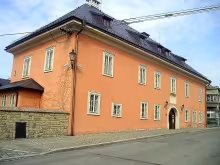
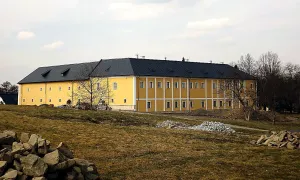
Zábřežský Zámek, located in the Ostrava-Jih district of Ostrava, is a significant cultural monument with origins dating back to 1529. Initially built on the site of an older fortress mentioned as early as 1593, it was transformed into a castle by Ctibor Syrakovský z Pěrkova at the turn of the 16th and 17th centuries. The structure underwent significant baroque renovations under the ownership of the Olomouc bishopric in the late 17th century. Today, it serves as both a hotel and brewery, having been restored with minimal intervention to preserve its historical integrity.
The castle's origins trace back to a medieval fortress, which was transformed into a more elaborate structure by Ctibor Syrakovský z Pěrkova during the transition from the 16th to the 17th century. This period marked significant political and religious changes in Bohemia as part of the broader European Reformation, influencing architectural styles and land ownership patterns. The castle's transformation into a baroque edifice occurred under the Olomouc bishopric's stewardship starting in 1652, reflecting the era's stylistic preferences.
Architecturally, Zábřežský Zámek features original elements such as vaults, staircases, and casement windows. The late 17th-century baroque renovations introduced significant changes to its structure, aligning it with contemporary architectural trends of that period. Despite modernization efforts in the mid-20th century, which included a controversial addition of a mansard roof in 1975, recent restorations have focused on preserving these historical elements while adapting the building for its current use as a hotel and brewery.
Ownership of the castle has seen notable transitions over the centuries. Initially constructed by Ctibor Syrakovský z Pěrkova, it later came under the control of the Olomouc bishopric in 1652. Today, private firm owners Petra Hradila and Erich Bergmann manage the site, maintaining its dual function as a hospitality venue and brewery.
Throughout its history, Zábřežský Zámek has been home to ten households with fifty members, reflecting its role as a significant local establishment. The castle's evolution from a medieval fortress to a baroque castle and now a modern hotel and brewery highlights its adaptability and enduring significance in the region.
Today, visitors can explore Zábřežský Zámek, which remains accessible for tours and stays. Its rich history, combined with its architectural beauty and current amenities, make it a worthwhile destination for those interested in cultural heritage and historical architecture. The castle's preservation efforts ensure that future generations will continue to appreciate its historical value and enjoy its unique charm.
Historical milestones
- 1529
- Founding of Zábřežský Castle.
- 1593
- First mention of an older fortress on the site of the castle.
- c. 1600
- Transformation into a castle by Ctibor Syrakovský z Pěrkova.
- 1652
- Begins Baroque renovations under the administration of the Olomouc bishopric.
- 1975
- Addition of a mansard roof during modernization efforts.
Architectural development
The castle was initially built on a medieval fortress site and underwent significant baroque transformations in the late 17th century. The structure features original elements such as vaults, staircases, and casement windows. In recent years, it has been restored to serve as a hotel and brewery, with efforts made to preserve its historical architecture.
Historical events
Construction began in the late 16th century by Ctibor Syrakovský z Pěrkova.
Baroque renovations were carried out under the Olomouc bishopric in the late 17th century.
Owners
Ctibor Syrakovský z Pěrkova (16th-17th century), Olomouc bishopric (from 1652), private firm of Petra Hradila and Erich Bergmann (current owners)
Points of interest
- Zámek Zábřeh's transformation from a medieval fortress to a baroque castle reflects the broader European Reformation's influence on Bohemia, showcasing how political and religious shifts impacted architectural styles.
- The controversial addition of a mansard roof in 1975 highlights the tension between modernization efforts and historical preservation, illustrating challenges faced by heritage sites adapting to contemporary needs while maintaining their original charm.
Guide
Show guide text
Welcome to the historic Zámek Zábřeh, a remarkable cultural monument nestled in the picturesque town of Zábřeh within the Moravskoslezský region. As you stand before this grand edifice, take a moment to absorb its majestic presence and imagine the centuries of history it has witnessed.
The origins of Zámek Zábřeh trace back to 1529, built upon the site of an older fortress first mentioned in records as early as 1593. This strategic location was transformed into what we see today by Ctibor Syrakovský z Pěrkova around the turn of the 16th and 17th centuries. His vision reshaped the medieval stronghold into a castle, reflecting the architectural evolution spurred by the broader European Reformation's influence on Bohemia.
As you gaze upon the structure, notice its baroque elements—a testament to significant renovations carried out in 1652 under the auspices of the Olomoucké biskupství. These changes not only enhanced its aesthetic appeal but also aligned it with the religious and political shifts of that era. The addition of a mansard roof in 1975, though controversial among purists, adds another layer to its storied past.
The castle's architecture invites you to explore its intricate details. Observe how the baroque style is interwoven with earlier elements, creating a tapestry of history and design that speaks volumes about its transformation over time. The craftsmanship evident in the stonework and layout offers insights into the lives and aspirations of those who once walked these halls.
Ctibor Syrakovský z Pěrkova stands out as a key figure in the castle's history, his influence pivotal in its evolution from fortress to baroque masterpiece. His legacy is etched into every corner of this structure, inviting you to delve deeper into the stories and personalities that have shaped Zámek Zábřeh.
One intriguing aspect of this site is how it embodies the broader European Reformation's impact on Bohemia. The castle’s transformation from a medieval fortress to a baroque edifice mirrors the significant political and religious shifts of its time, offering a unique lens through which to view history.
As you continue your journey around Zámek Zábřeh, let yourself be drawn into its rich tapestry of stories and architectural wonders. Each step reveals more about the past, inviting curiosity and reflection. We encourage you to explore further, perhaps discovering hidden corners or imagining the lives that once filled these spaces.
Thank you for joining us on this journey through time at Zámek Zábřeh. May your exploration be as enriching as it is enlightening. Safe travels, and may history continue to inspire you wherever you go.
Businesses nearby
Do you run a restaurant, accommodation, shop, museum, rental, wellness or other visitor service near this monument? Show yourself directly to the people heading to it — this is how they will see you in the app and on the web:
Nearby
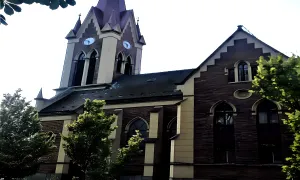
Nearby attractions include the Zábřežský Bludný Balvan, an old non-baroque town hall, the Church of Visitation of the Virgin Mary, and a functionalist building of Husova sboru.
Accommodation nearby
Themed route
Zábřeh Thematic Tour
1. Zámek Zábřeh *Type:* Castle *Why Visit:* The Zábřeh Castle is a stunning example of Renaissance architecture, offering visitors breathtaking views from its towers and an insight into the region's history through its well-preserved interiors. Its picturesque setting makes it a perfect starting point for exploring the area.
2. Zábřežský Bludný Balvan *Type:* Historical Landmark *Why Visit:* Located just a short walk from Zámek Zábřeh, this intriguing megalithic boulder is steeped in local legend and mystery. It's an excellent spot for those interested in folklore and the natural history of the region.
3. Old Non-Baroque Town Hall *Type:* Historical Building *Why Visit:* This architectural gem showcases a unique style distinct from the prevalent baroque, reflecting the diverse influences that have shaped Zábřeh's urban landscape. It offers a glimpse into the town’s administrative past and is an ideal place for history enthusiasts.
4. Church of Visitation of the Virgin Mary *Type:* Church *Why Visit:* Known for its beautiful architecture and serene atmosphere, this church is a spiritual haven that also features stunning artworks and intricate designs. It's a must-visit for those interested in religious art and architecture.
5. Husova sboru Functionalist Building *Type:* Architectural Landmark *Why Visit:* This functionalist building stands as an example of modern architectural design from the early 20th century, reflecting the innovative spirit of its time. It's perfect for those who appreciate modernist architecture and want to explore Zábřeh’s diverse architectural heritage.
This thematic tour offers a comprehensive exploration of Zábřeh's historical and cultural landmarks, providing insights into both its past and present.
Seasonal recommendations
Spring: Visiting Zábřeh Castle during spring offers a rejuvenating experience as nature awakens around the historic site. The castle grounds are adorned with blooming flowers and lush greenery, creating an idyllic setting for photography and leisurely walks. This season often sees mild weather, making it comfortable to explore both indoor exhibits and outdoor areas. Springtime can attract visitors keen on experiencing the natural beauty of Moravskoslezský kraj, so arriving early in the day is advisable to avoid larger crowds that gather later. Dressing in layers is recommended due to fluctuating temperatures.
Summer: Summer at Zábřeh Castle is characterized by vibrant landscapes and extended daylight hours, ideal for enjoying outdoor activities such as picnics or guided tours of the castle grounds. The lush gardens are particularly stunning during this season, offering a picturesque backdrop. However, summer also brings peak tourist seasons, leading to larger crowds; thus, planning your visit early in the day can help avoid congestion and ensure a more relaxed experience. Comfortable clothing and sun protection are essential due to warm weather.
Autumn: Autumn provides a magical atmosphere at Zábřeh Castle with its rich tapestry of fall colors enveloping the landscape. The cooler temperatures make for pleasant strolls through the castle's grounds, which are dotted with golden hues from deciduous trees. This season is less crowded than summer, offering a more serene experience. Visitors should consider bringing warm layers and perhaps an umbrella, as autumn weather can be unpredictable with occasional rain showers.
Winter: Winter transforms Zábřeh Castle into a picturesque winter wonderland, with snow-covered grounds adding to its historic charm. The castle's architecture takes on a new splendor against the backdrop of frosty landscapes, making it a unique time for photography enthusiasts. However, winter can bring shorter opening hours and colder temperatures, so visitors should dress warmly in layers and check ahead for any seasonal closures or special events like Christmas markets that might be nearby. Arriving early is advisable to fully enjoy the castle's offerings before closing times.
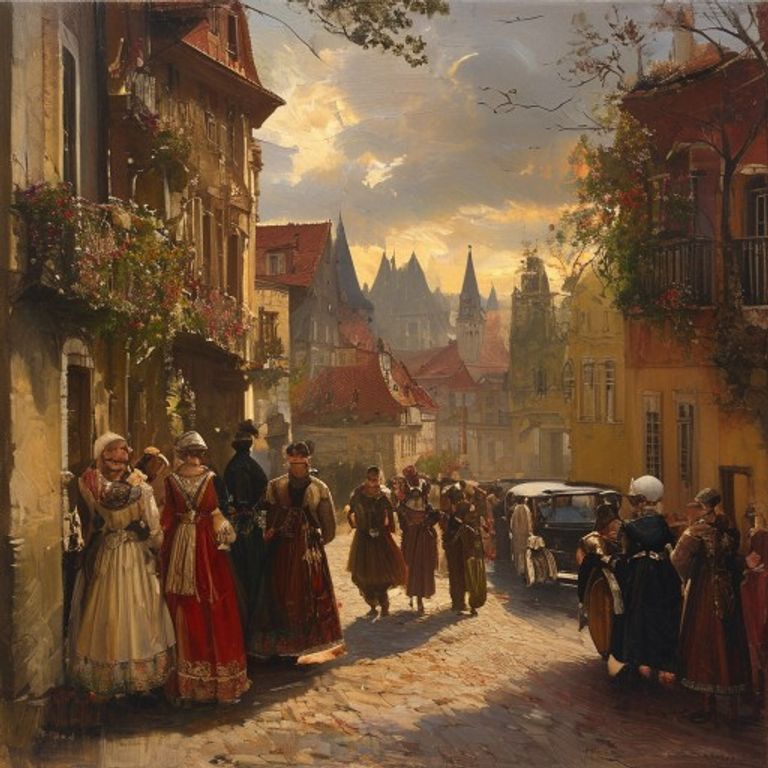
Visualizations and artistic views

Vizualizace jsou generovány umělou inteligencí a slouží jako inspirace.


Tips from visitors
No tips yet. Be the first!
Log in and add your tip.
Location on the map

Příběhy a pověsti
Legendy, pověsti a příběhy spjaté s touto památkou
Reviews and comments