





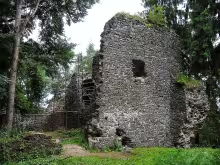
Volfštejn is a medieval castle ruin near Černošín in the Plzeňský kraj region of the Czech Republic. Dating back to the early 13th century, it features an iconic round bergfrit with a late Romanesque portal, highlighting its architectural significance from that era. It served as the seat for the Lords of Wolfsstein until their relocation in 1460 and is now recognized as a cultural monument protected since 1964.
The origins of Volfštejn trace back to the early 13th century during a period of consolidation under the Přemyslid dynasty. The castle's earliest documented mention dates to 1316, when Beneda z Volfštejna brought a case to court concerning his father Ctibor’s murder. Throughout its history, it remained in the possession of the Lords of Wolfsstein, who were related to other noble families such as those from Svojšína and Třebele. The castle's architectural style is characterized by its bergfrit-type design with minimal significant alterations over time. Its main structure includes a round bergfrit, a two-story palace ruin, and smaller buildings. Dendrological research indicates that the timber used in constructing the large tower was felled between 1260-1262.
Ownership of Volfštejn changed hands within the family lineage, with notable figures including Beneda z Volfštejna (1316), Oldřich z Volfštejna (1396), and Jan z Volfštejna, who later became known as Jan z Třebele after 1460. During the Hussite Wars in the early 15th century, Vilém z Volfštejna supported the Catholic side and received estates as collateral from Emperor Sigismund.
Key events at Volfštejn include Beneda's court case in 1316 and its strategic role during the Hussite Wars. Despite being described as abandoned by 1527, it was involved in an unspecified meeting between brothers Jiří and Šebestián z Banbachu that year.
Today, Volfštejn stands as a testament to medieval architecture and history, accessible via a yellow-marked tourist trail from Černošín to Třebele. Its preservation offers visitors a glimpse into the past, showcasing the enduring legacy of its noble inhabitants and their architectural endeavors. The site's historical significance and picturesque ruins make it a worthwhile destination for those interested in exploring Czech heritage.
Historical milestones
- 1316
- Beneda z Volfštejna brought a case to court for his father's murder.
- 1396
- Oldřich z Volfštejna became the owner and exercised patronage rights over Černošínský church.
Architectural development
Wolfsstein Castle is characterized by its bergfrit-type design with minimal significant alterations over time. The main structure includes a round bergfrit, a two-story palace ruin, and other smaller buildings. Dendrological research suggests that the timber used in the construction of the large tower was felled between 1260-1262.
Historical events
In 1316, Beneda z Volfštejna brought a case to the regional court against Dluhomil and Bedřich z Brodu for the murder of his father Ctibor z Volfštejna.
During the Hussite Wars in the early 15th century, Vilém z Volfštejna supported the Catholic side and received estates as collateral from Emperor Sigismund.
Owners
The castle was initially owned by the Lords of Wolfsstein, with notable owners including Beneda z Volfštejna (1316), Oldřich z Volfštejna (1396), and Jan z Volfštejna who later became known as Jan z Třebele after 1460.
Points of interest
– Despite its early mention in 1316 due to a murder case, the castle's timber construction dates back even earlier between 1260-1262, indicating it was already significant before being formally recorded.
– The bergfrit of Volfštejn is unique for its round shape and late Romanesque portal, showcasing an architectural style that remained largely unchanged over centuries, reflecting both defensive needs and aesthetic preferences of the era.
Guide
Show guide text
Welcome to the historic site of Volfštejn Castle, a remarkable medieval ruin nestled near Černošín in the Plzeňský kraj region of the Czech Republic. As you stand before these ancient stones, imagine the stories they could tell, echoing through time from their origins in the early 13th century.
Volfštejn's history is rich and intriguing, beginning with its construction between 1260-1262. Though it wasn't formally recorded until a murder case brought it to public attention in 1316 by Beneda z Volfštejna, this castle was already significant by then. Over the centuries, it served as the seat of the Lords of Wolfsstein until their relocation in 1460.
As you explore, take a moment to appreciate the architectural marvel that is the distinctive round bergfrit with its late Romanesque portal—a feature that stands out against the rugged landscape. This unique design element highlights the castle's architectural significance from the period and invites you to ponder the craftsmanship of unknown architects who once walked these grounds.
The walls of Volfštejn whisper tales of key historical figures, such as Beneda z Volfštejna, Ctibor z Volfštejna, Oldřich z Volfštejna, Vilém z Volfštejna, and Jan z Volfštejna. Each played a role in shaping the castle's storied past. In 1396, for instance, Oldřich z Volfštejna became the owner, exercising patronage rights over the Černošínský church—a testament to the family's influence and legacy.
Now, let your curiosity lead you to a fascinating mystery: despite its early mention in court records due to a murder case, the castle's timber construction dates back even earlier than 1316. This intriguing detail suggests that Volfštejn was already an important site before being formally documented, adding layers of history and enigma to its legacy.
As you continue your exploration, let these stories inspire you to delve deeper into the past, uncovering more about this captivating ruin. Thank you for visiting Volfštejn Castle—may your journey through history be as enriching as it is enlightening.
Tips for visitors
The best time to visit Wolfsstein Castle is during late spring or early autumn when the weather is mild, and the surrounding landscape of Třebel is lush with greenery. These seasons offer pleasant temperatures for exploring the ruins without the summer crowds or winter chill. Morning visits are ideal as they provide softer light that enhances the texture of the castle's stonework, making it perfect for photography enthusiasts.
Parking near Wolfsstein Castle can be limited due to its rural location, so arriving early is advisable if you're driving. Public transportation options may include buses from nearby towns such as Černošín; however, specific routes and schedules should be checked in advance using a travel planner or the official website of the Plzeňský kraj region. Walking trails are available for those who prefer to explore on foot.
When visiting Wolfsstein Castle, it's recommended to bring comfortable walking shoes as there may be uneven terrain around the ruins. A hat and sunscreen are advisable due to potential exposure to the sun, especially in peak seasons. Don't forget a water bottle to stay hydrated during your exploration. For those interested in photography, a camera with a zoom lens can help capture detailed shots of the castle's features.
Photography at Wolfsstein Castle is best from the southeastern spur where you can get panoramic views of the ruins and surrounding hills. The golden hour—shortly after sunrise or before sunset—offers warm lighting that highlights the textures and shapes of the medieval structure. Be mindful of other visitors to ensure everyone has a chance to enjoy the scenery.
For families with children, Wolfsstein Castle offers an adventurous experience as they can explore the ruins at their own pace. Nearby Černošín is within a 30-minute drive or bus ride and provides additional attractions such as hiking trails and historical sites that are suitable for family outings. The natural surroundings of Třebel also offer opportunities for picnics and outdoor activities.
Businesses nearby
Do you run a restaurant, accommodation, shop, museum, rental, wellness or other visitor service near this monument? Show yourself directly to the people heading to it — this is how they will see you in the app and on the web:
Nearby
The ruins are situated on the southeastern spur of Vlčí hora within the Třebel cadastral area. The landscape is characterized by its proximity to Černošín and other natural features in the region.
Accommodation nearby
Themed route
Tematická výletní trasa kolem zříceniny Volfštejn
1. Zřícenina Volfštejn - Typ: Historická památka, zřícenina hradu - Proč stojí za návštěvu: Zajímavým místem pro milovníky historie je zřícenina Volfštejn, umístěná na jihozápadním úbočí Vlčí hory. Navzdory svému rozsáhlému stavu zachovala stopy minulosti a nabízí pohledy do kraje, který byl kdysi důležitou strategickou pozicí.
2. Vlčí hora - Typ: Horský vrchol - Proč stojí za návštěvu: Vlčí hora je nejvyšší významnou topografickou výškou v okolí, která poskytuje úžasné pohledy na okolní krajinu. Je ideálním místem pro krátké procházky a zastavení se k oddechu při návštěvě zříceniny.
3. Okolí obce Třebel - Typ: Krajina, vesnice - Proč stojí za návštěvu: Obec Třebel nabízí klidnou a přirozenou atmosféru s malebnými venkovskými pohledy. Je to ideální místo pro relaxaci a prozkoumání místního života, což dodává cestě autentičtější charakter.
4. Černošín - Typ: Městské centrum - Proč stojí za návštěvu: Černošín je blízkým městem, které lze navštívit po prohlídce zříceniny. Nabízí historickou architekturu a příležitost k odpočinku v klidném prostředí, což je ideální kontrast ke starobylým ruinám.
Tato trasa nabízí kombinaci historie, přírody a místního života, což ji činí ideální pro celodenní výlet.
Seasonal recommendations
Spring: Visiting Volfštejn during spring offers a magical experience as the ruins are bathed in soft, natural light that enhances their historical charm. The surrounding landscape is vibrant with blooming flowers and fresh greenery, creating an enchanting atmosphere perfect for photography or leisurely exploration. However, be prepared for occasional rain showers typical of this season, so bringing waterproof footwear and a jacket is advisable. Spring often sees fewer visitors compared to summer, making it an ideal time for those seeking a quieter experience.
Summer: Summer at Volfštejn is characterized by long daylight hours that illuminate the ruins beautifully, providing excellent conditions for exploration and photography. The warm weather invites nature lovers to enjoy hiking trails around the area, surrounded by lush greenery and vibrant wildflowers. However, summer also brings larger crowds due to its popularity as a tourist destination, so it's wise to arrive early in the day to avoid the midday heat and congestion. Light clothing and sun protection are essential for comfort during your visit.
Autumn: Autumn transforms Volfštejn into a picturesque scene with warm hues of red, orange, and gold enveloping the ruins. The cooler temperatures make it an ideal time for walking tours without the summer crowds, offering a serene experience amidst nature's beauty. As days shorten, planning your visit during daylight hours is crucial to fully appreciate the site. Layered clothing will help you stay comfortable as temperatures can vary throughout the day.
Winter: Winter at Volfštejn presents a unique and atmospheric setting with snow-covered ruins that create a hauntingly beautiful landscape. The shorter days mean visits should be planned around available daylight, often making early morning tours most rewarding. While fewer visitors flock to the site during this season, it's important to dress warmly in insulated clothing and sturdy boots for navigating potentially icy paths. Despite its charm, be mindful of limited access or closures due to weather conditions.
Visualizations and artistic views

Vizualizace jsou generovány umělou inteligencí a slouží jako inspirace.


Tips from visitors
No tips yet. Be the first!
Log in and add your tip.



Reviews and comments