




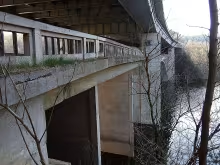
Vojslavický most, also known as the double bridge near Koberovice or Píště, is a modern engineering marvel located in Hroznětice within the Vojslavice District of the Vysočina Region. Constructed to meet contemporary traffic demands, this bridge spans the valley of the Želivka River and serves as part of both the D1 motorway and road III/13036. Completed in 2000, it stands out for its functional design and is recognized as a cultural monument by the Czech Republic.
The origins of Vojslavický most trace back to the early 20th century when Czechoslovakia aimed to enhance infrastructural connectivity across its territory. Initial construction began in 1942 as part of a planned highway intended to link the country from west to east. However, this project faced significant interruptions due to geopolitical events; specifically, work ceased following Germany's invasion of the Soviet Union during World War II. Post-war efforts to resume construction were ultimately halted by 1950 due to shifting priorities and economic challenges.
The architectural evolution of Vojslavický most reflects both historical necessity and modern engineering standards. The original bridge built in 1942 was designed with a gradient that later became obsolete as traffic demands increased. By the 1960s, it was clear that a new design was necessary, leading to the construction of the current structure completed in 2000. The modern bridge features an elevated steel deck positioned twelve meters above the original, utilizing existing piers while adhering to contemporary gradient requirements with a maximum slope of 4.2%. This innovative design allows for seamless integration of both motorway and road traffic.
Throughout its history, Vojslavický most has undergone significant transformations, reflecting broader economic and infrastructural shifts in post-war Europe. Despite these changes, the bridge incorporates elements from its original 1942 structure, blending historical significance with modern functionality. This combination of old and new is a testament to the evolving nature of infrastructure development.
Today, Vojslavický most stands as a vital component of Czech transportation networks, facilitating efficient travel across the region. Its designation as a cultural monument underscores its importance not only in terms of utility but also heritage. Visitors can appreciate both the engineering ingenuity and historical context that make this bridge a noteworthy site. The surrounding natural landscapes of the Vysočina Region add to its appeal, making it a worthwhile destination for those interested in modern architecture and history.
Vojslavický most is more than just a functional piece of infrastructure; it represents a confluence of past ambitions and present realities. Its recognition as a cultural monument highlights its significance within Czech heritage, inviting visitors to explore the blend of historical narrative and contemporary design that defines this remarkable bridge.
Historical milestones
- 1942
- Zahájení stavby původního mostu.
- 1943
- Přerušení stavebních prací kvůli německé invazi do Sovětského svazu.
- 1950
- Zastavení postupných stavebních úsilí po druhé světové válce.
- 1960
- Uznání potřeby nového mostu kvůli zvýšeným dopravním náročnostem.
- 2000
- Dokončení současného mostu s moderní konstrukcí.
Architectural development
The original bridge built in 1942 was designed with a gradient that later became obsolete. The modern structure, completed in 2000, features an elevated steel deck using existing piers but adjusted to meet contemporary engineering standards with a maximum gradient of 4.2%. This design allows for the integration of both motorway and road traffic.
Historical events
The initial bridge construction began in 1942 as part of a planned highway linking Czechoslovakia from west to east. However, work ceased following Germany's invasion of the Soviet Union during World War II.
Post-war efforts resumed but were halted entirely by 1950 due to changing priorities and economic conditions.
In the 1960s, increased traffic necessitated a new design, leading to the construction of the current bridge in 2000.
Points of interest
- Despite its modern design, Vojslavický most incorporates elements from the original 1942 bridge, blending historical significance with contemporary functionality.
- Construction of the initial bridge began in 1942 as part of a planned highway to link Czechoslovakia from west to east but was interrupted by World War II events, specifically Germany's invasion of the Soviet Union.
Guide
Show guide text
Welcome to the Vojslavický most, a remarkable blend of history and modern engineering nestled in Hroznětice, within the Vysočina Region. As you stand here, take a moment to absorb your surroundings: the expansive valley of the Želivka River stretches out before you, with this impressive structure arching gracefully across its expanse. This bridge isn't just a functional piece of infrastructure; it's a testament to evolving engineering needs and historical narratives.
Let's delve into its origins. The idea for a bridge in this location dates back to 1942 when construction began on an initial structure as part of an ambitious plan to create a highway linking Czechoslovakia from west to east. However, the project faced significant challenges. In 1943, work was halted due to the German invasion of the Soviet Union, and after World War II, progress stalled further until it ceased entirely by 1950.
By the 1960s, the increasing demands of traffic made it clear that a new bridge was necessary. This need led to the construction of the current Vojslavický most, completed in 2000. While its architecture is distinctly modern, integrating elements from the original 1942 design, this fusion highlights both historical significance and contemporary functionality.
As you look around, notice how the bridge seamlessly blends into the landscape while serving as a critical component of the D1 motorway and road III/13036. The structure itself, though lacking specific architectural details in our records, stands out for its ability to marry past and present through design elements that reflect its storied history.
While there are no specific historical figures associated with this bridge's construction, it embodies the broader narrative of progress and adaptation over decades. This story is one of resilience—how a community responded to changing times by building something new while honoring what came before.
One intriguing aspect of Vojslavický most is its dual identity: a modern marvel that still carries echoes from its initial inception during a tumultuous period in history. It's this blend that makes it not just a bridge, but a symbol of continuity and change.
As we conclude our visit here at the Vojslavický most, I invite you to explore further along the D1 motorway or take a moment to reflect on how infrastructure can tell such rich stories. Thank you for joining me today, and may your journey continue with curiosity and wonder.
Tips for visitors
The best time to visit Vojslavický most is during the spring or early autumn months when the weather is mild, and the natural landscapes of the Vysočina Region are particularly vibrant. During these seasons, you can enjoy pleasant temperatures for walking around the area, and the surrounding nature offers a picturesque backdrop for your visit. Additionally, visiting outside peak tourist season ensures fewer crowds, allowing for a more peaceful experience.
Parking is available in the vicinity of Vojslavický most, with several spots near Hroznětice where you can conveniently leave your vehicle. Public transport options are also accessible, and it's advisable to check current routes via an online search tool before your visit. This flexibility makes it easy for visitors to reach the bridge whether they prefer driving or using public transportation.
When visiting Vojslavický most, consider bringing comfortable walking shoes as there may be some uneven terrain around the area. A camera is recommended to capture the stunning views of the Želivka River and its surrounding landscapes. Additionally, carrying a light jacket can be useful due to the variable weather conditions in the Vysočina Region.
For photography enthusiasts, the best spots for capturing Vojslavický most are from either side of the bridge where you can get both wide-angle shots of the structure and detailed images of its architecture. The golden hours—shortly after sunrise or before sunset—are ideal times to photograph the bridge as the soft light enhances the natural beauty of the landscape. Be sure to check the weather forecast for optimal lighting conditions.
Within a 30-minute drive from Vojslavický most, visitors can explore Humpolec, known for its charming town center and cultural events. The area offers a glimpse into local life and traditions, making it an interesting addition to your itinerary. For families with children, the natural surroundings provide ample opportunities for outdoor activities such as hiking or picnicking by the river.
Businesses nearby
Do you run a restaurant, accommodation, shop, museum, rental, wellness or other visitor service near this monument? Show yourself directly to the people heading to it — this is how they will see you in the app and on the web:
Nearby
The bridge is situated near Humpolec and spans the Želivka River. The surrounding area includes natural landscapes typical of the Vysočina Region, with no other major monuments within a five-kilometer radius.
Accommodation nearby
Themed route
Vojslavický Most Výletní Trasa
1. Vojslavický most *Typ:* Historický most *Proč stojí za návštěvu:* Vojslavický most je významnou architektonickou památkou, která překračuje Želivku. Jeho historie a design odrážejí bohaté dědictví regionu Vysočina, což ho činí ideálním místem pro pochopení místní architektury a kultury.
2. Přírodní krajinou okolní lesy *Typ:* Lesní oblasti *Proč stojí za návštěvu:* Přírodní lesy kolem Vojslavického mostu nabízejí klidné prostory k procházce a pozorování divoké flóry a fauny. Jsou ideální pro relaxaci, piknik nebo potěšení se zážitkem z přírody v malebném prostředí Vysočiny.
3. Želivka řeka *Typ:* Přírodní útvar *Proč stojí za návštěvu:* Řeka Želivka, kterou most překračuje, je klíčovým prvkem místní ekosystémy. Je to vynikající místo pro pozorování divokých zvířat a rostlin, zejména pro ty, kteří se zajímají o přírodní studia nebo prostě hledají klidné okamžiky u vody.
4. Místní cesta kolem mostu *Typ:* Procházka *Proč stojí za návštěvu:* Krátká procházka kolem Vojslavického mostu nabízí pohodlný způsob, jak se dozvědět více o regionálním dědictví a užít si panoramatických výhledů na okolní krajinu. Tato cesta je perfektní pro ty, kteří hledají mírné fyzické aktivitu s kulturním přídavkem.
5. Hroznětice obec *Typ:* Místní komunita *Proč stojí za návštěvu:* Obec Hroznětice, kde se nachází Vojslavický most, nabízí pohled na život v malebném venkovském prostředí. Navštívte místní obytné domy a zjistěte více o každodenním životě v této části Kraj Vysočina, což poskytuje cenný kulturní kontext k hlavnímu cíli trasy.
Seasonal recommendations
Spring: The arrival of spring at Vojslavický most is marked by a vibrant display of blossoming flora along the surrounding landscapes, creating an enchanting atmosphere that enhances the historic charm of this Vysočina landmark. As nature awakens, visitors can enjoy the fresh air and the sight of greenery rejuvenating the area. During this time, it's advisable to wear layers as temperatures can vary throughout the day. Early mornings or late afternoons are ideal for visiting when crowds are thinner, allowing you to appreciate the serenity of the site.
Summer: Summer at Vojslavický most is characterized by long daylight hours and warm weather, making it an excellent time for outdoor exploration. The lush greenery and blooming flowers provide a picturesque backdrop that complements the historic architecture. This period often sees increased visitor numbers due to its popularity among tourists. To avoid large crowds, consider visiting early in the morning or later in the afternoon. Comfortable walking shoes and light clothing are recommended, along with carrying water to stay hydrated during your visit.
Autumn: Autumn transforms Vojslavický most into a tapestry of warm colors as leaves change hues, creating a stunning visual contrast against the historic structure. The cooler temperatures make for pleasant strolls around the area, and the reduced visitor numbers compared to summer provide a more tranquil experience. It's advisable to wear layers due to variable weather conditions. Early autumn is particularly beautiful when foliage reaches its peak vibrancy, making it an ideal time to capture picturesque photographs.
Winter: Winter casts a serene spell over Vojslavický most with snow-covered landscapes that add a magical quality to the historic site. The reduced daylight hours and colder temperatures mean fewer visitors, offering a peaceful atmosphere perfect for contemplation and photography. It's essential to dress warmly in layers, including hats and gloves, and to check if any parts of the site are closed due to weather conditions. Visiting during midday can provide enough light to fully appreciate the beauty of the snowy surroundings.
Visualizations and artistic views

Vizualizace jsou generovány umělou inteligencí a slouží jako inspirace.


Tips from visitors
No tips yet. Be the first!
Log in and add your tip.


Reviews and comments