





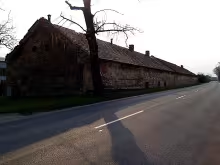
Třeboutice is a partially ruined baroque castle located in the village near Křešice, within the Litoměřice District. Originally built as a summer residence for the bishops of Litoměřice during the latter half of the 18th century, it stands today primarily through its economic building and parts of an enclosing wall, preserved as cultural heritage. The castle's historical significance lies in its architectural style and role within the ecclesiastical community.
The origins of Třeboutice date back to when Bohemia was part of the Habsburg Monarchy, experiencing a cultural flourishing under baroque influences. Bishop Mořic Adolf Sachsen-Zeits initiated construction on an older economic farm site. His successor, Emanuel Arnošt z Valdštejna, completed it in the latter half of the 18th century. The baroque style, known for its grandeur and elaborate details, reflected artistic trends across Europe at that time.
Architecturally, Třeboutice featured a single-story main building with an oblong floor plan, complemented by two short side wings. A staircase risalit projected from the front façade, while on the Elbe River side, a large hall was adorned with three windows featuring half-round arches. In the 1840s, significant interior renovations included frescoes depicting vedute scenes in first-floor rooms, enhancing its artistic value.
Ownership and administration of Třeboutice changed over time. Initially commissioned by Bishop Mořic Adolf Sachsen-Zeits, it was completed under Emanuel Arnošt z Valdštejna. After World War II, the castle became state property as part of a state farm, marking its gradual decline, culminating in the demolition of the main residential building in 1985.
Throughout its history, Třeboutice has witnessed key events shaping its current state. The construction and completion by two bishops highlight its ecclesiastical significance. The 1840s interior renovations reflect a period of artistic enhancement, while post-1945 transition to state ownership underscores broader socio-political changes in the region.
Today, Třeboutice stands as a testament to its baroque origins and historical journey. Visitors can explore the remaining economic building and parts of the enclosing wall, preserved as cultural heritage sites. Despite losing its main residential structure, these remnants offer insight into the architectural style and historical context of the period.
Třeboutice is worth visiting for those interested in baroque architecture and ecclesiastical history. Its preservation as a cultural monument allows visitors to connect with a significant chapter in Bohemia's past. The site invites exploration and reflection on its enduring legacy within the region's rich tapestry of historical narratives.
Historical milestones
- 18th century
- Construction of the baroque castle began.
- 1840s
- Interior renovations included frescoed vedute scenes.
- 1985
- The main residential building was demolished.
Architectural development
Třeboutice's construction began as a baroque castle on the site of an older economic farm. The initial phase was led by Bishop Mořic Adolf Sachsen-Zeits, with completion under Emanuel Arnošt z Valdštejna. Later renovations in the 1840s added frescoes to the first floor. The structure suffered demolition in 1985.
Historical events
Construction began in the latter half of the 18th century under Bishop Mořic Adolf Sachsen-Zeits and was completed by Emanuel Arnošt z Valdštejna.
In the 1840s, significant interior renovations were undertaken, including frescoes with vedute scenes.
The main building was demolished in 1985.
Owners
The castle was initially commissioned by Bishop Mořic Adolf Sachsen-Zeits and completed by his successor Emanuel Arnošt z Valdštejna. After 1945, it became property of a state farm before falling into disrepair.
Points of interest
- Třeboutice's construction began as a project by Bishop Mořic Adolf Sachsen-Zeits but was completed by his successor, Emanuel Arnošt z Valdštejna. This succession highlights the castle’s role in ecclesiastical politics and continuity within the church hierarchy during its development.
Guide
Show guide text
Welcome to Třeboutice Castle, a remarkable testament to baroque architecture nestled in the village of Třeboutice near Křešice, within the Litoměřice District. As you stand here, imagine the rolling landscapes that once framed this grand structure, now partially returned to nature's embrace.
The story of Třeboutice Castle begins in the latter half of the 18th century when it was conceived as a summer residence for the bishops of Litoměřice. Its construction marks an era where ecclesiastical power and architectural ambition intertwined, creating spaces that were both functional and aesthetically pleasing.
Architecturally, what remains today is primarily the economic building and parts of the enclosing wall. These remnants invite you to reflect on the grandeur that once was. As you wander around, take a moment to appreciate the craftsmanship evident in the surviving structures—the way they harmonize with their surroundings speaks volumes about the vision of those who built them.
The narrative of Třeboutice is enriched by notable historical figures such as Bishop Mořic Adolf Sachsen-Zeits and his successor, Emanuel Arnošt z Valdštejna. Their involvement highlights not just a change in leadership but a continuity in ecclesiastical ambition and architectural development. It's fascinating to consider how these bishops played pivotal roles in shaping the castle’s destiny.
Intriguingly, during the 1840s, the interior of Třeboutice saw renovations that included frescoed vedute scenes—paintings that offered views of landscapes or cityscapes, encapsulating the beauty and spirit of their time. Although these interiors no longer exist as they once did, knowing about them adds a layer of depth to your experience here.
As you explore, let your imagination wander through the corridors of history. Consider the lives that unfolded within these walls and the stories that remain untold. Třeboutice Castle is more than just ruins; it's a portal to understanding the past and its influence on the present.
We invite you to continue exploring this site at your own pace, letting the whispers of history guide you through what remains of Třeboutice Castle. Thank you for joining us on this journey into the past. As you move forward, may the memories of this place linger with you, inspiring further exploration and discovery.
Tips for visitors
The best time to visit the Třeboutice castle ruins is during late spring or early autumn, when the weather is mild and pleasant for exploring the outdoor site. During these months, you can enjoy the blooming natural landscape surrounding the castle without the discomfort of summer heat or winter cold. Additionally, visiting in shoulder seasons often means fewer crowds, allowing for a more peaceful experience.
Parking at Třeboutice is available near the village center, and from there, it's a short walk to the castle ruins. For those preferring public transport, you can reach the area by bus or train to nearby towns such as Křešice, followed by a local bus or taxi ride to the site. It's advisable to check current transportation options online before your visit for the most accurate information.
When visiting Třeboutice, it is recommended to bring comfortable walking shoes and weather-appropriate clothing, as you'll be exploring an outdoor historical site with uneven terrain. A hat, sunscreen, or raincoat might also be useful depending on the season. Don't forget a camera for capturing the stunning views of the ruins against the natural backdrop.
For photography enthusiasts, the best spots to capture Třeboutice are from the elevated areas around the castle, where you can get panoramic shots that include both the ruins and the surrounding landscape. Early morning or late afternoon light provides the most dramatic effects with softer shadows and warm hues. Be mindful of other visitors when setting up your equipment.
Nearby attractions within a 30-minute drive include the historical village of Křešice, where you can explore local architecture and enjoy scenic views. Additionally, there are natural trails in the area that offer opportunities for hiking and enjoying the outdoors. These sites provide great options for extending your visit and experiencing more of the region's history and nature.
Businesses nearby
Do you run a restaurant, accommodation, shop, museum, rental, wellness or other visitor service near this monument? Show yourself directly to the people heading to it — this is how they will see you in the app and on the web:
Nearby
Třeboutice is located near the village of Třeboutice, close to Křešice. The surrounding landscape includes natural features and other historical sites within a 5 km radius.
Accommodation nearby
Trips and activities nearby
Guided tours, tickets and activities nearby from GetYourGuide
Search tours and activities →Themed route
Třeboutice Thematic Tour
1. Zámek Třeboutice - Type: Castle - Why Visit: The Zámek Třeboutice is a stunning example of Renaissance architecture, offering visitors a glimpse into the historical grandeur and elegance of 16th-century aristocratic life in Bohemia. Its beautifully preserved interiors and scenic gardens make it an ideal starting point for exploring the rich cultural heritage of the region.
2. Church of Saint John the Baptist - Type: Historical Church - Why Visit: Located near Zámek Třeboutice, this church is renowned for its architectural beauty and historical significance. It provides a serene atmosphere perfect for reflection and appreciation of local religious art and history, offering insight into the spiritual life that has shaped the community over centuries.
3. Třeboutice Village - Type: Historic Village - Why Visit: A short walk from the castle, Třeboutice village is a charming area with traditional Bohemian architecture. Exploring its quaint streets and local shops offers a unique opportunity to experience the everyday life of the region's past inhabitants while enjoying modern-day hospitality.
4. Křešice Area - Type: Scenic Locale - Why Visit: Just a few kilometers from Třeboutice, Křešice provides picturesque landscapes and an ideal setting for leisurely walks or cycling through the natural beauty of Ústecký kraj. The area's serene environment is perfect for unwinding after exploring historical sites.
5. Zámek Gardens - Type: Historical Garden - Why Visit: Within the Zámek Třeboutice grounds, the meticulously maintained gardens offer a peaceful retreat with beautifully designed floral arrangements and pathways that reflect the Renaissance style of the castle itself. These gardens are perfect for enjoying nature's beauty while reflecting on the history you've just explored.
This thematic tour offers a comprehensive experience of Třeboutice’s historical and cultural landscape, providing insights into its architectural heritage and natural surroundings.
Seasonal recommendations
Jaro: In the spring season, Třeboutice Castle is enlivened by flowers and newly sprouting foliage, adding a vibrant atmosphere of natural renewal to the ruins. Sunlight filters through mists and green trees, often creating a magical lighting effect that highlights the historical architecture. This is an ideal time for visiting, as there are usually fewer crowds, offering a more tranquil environment for exploration. We recommend wearing comfortable shoes due to potential uneven terrain and bringing an umbrella, as spring weather can be changeable.
Léto: The summer season at Třeboutice Castle offers a warm atmosphere full of life with blooming shrubbery and dense trees providing shade from the sun. This is typically the peak season for visitors, so larger crowds are expected, especially around midday. To ensure a comfortable experience, we recommend visiting early in the morning or later in the afternoon and wearing light clothing along with sunscreen to prevent overheating. Don't forget to bring plenty of water, especially on hot days.
Podzim: Autumn at Třeboutice Castle offers a unique atmosphere with colorful foliage and mild air. The sun slowly sets, creating long shadows and transforming the light over the ruins in a festive manner. This is usually a milder time for visiting with fewer people, allowing for a more intimate experience. We recommend wearing layered clothing and a warm sweater due to cooler evenings and bringing an umbrella, as autumn weather can be changeable with regular rainfall.
Zima: A winter visit to Třeboutice Castle offers a quiet and serene atmosphere, where snow coverings can add a romantic touch to the historical structures. Short days and cold weather typically mean fewer crowds and limited access to some areas, so it's important to check current conditions before visiting. Warm clothing is essential for comfort, including sweaters, hats, and protective gloves. Additionally, we recommend bringing along hot tea or another favorite beverage to stay warm during your walk.
Visualizations and artistic views

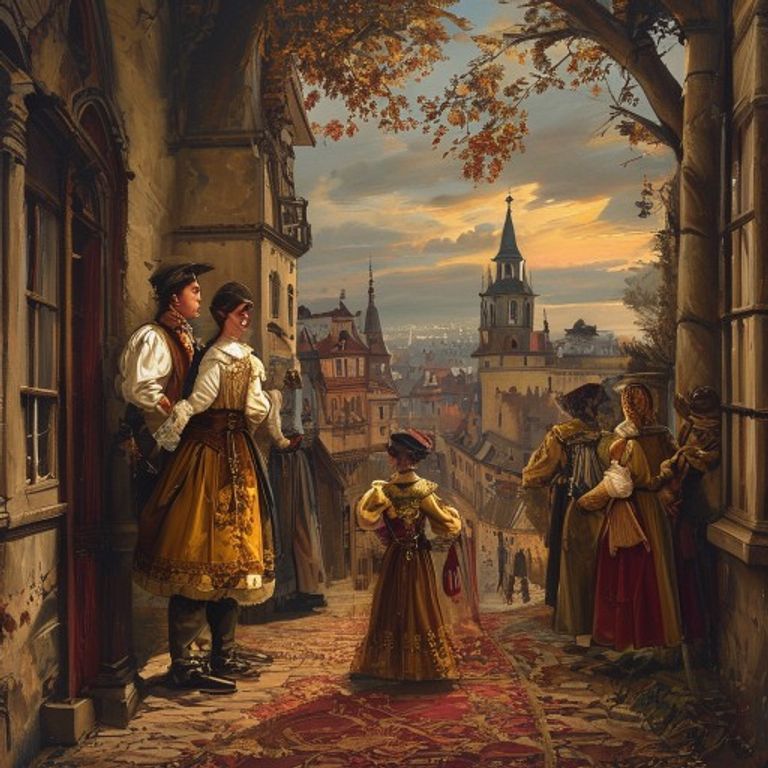
Vizualizace jsou generovány umělou inteligencí a slouží jako inspirace.


Tips from visitors
No tips yet. Be the first!
Log in and add your tip.
Location on the map


Příběhy a pověsti
Legendy, pověsti a příběhy spjaté s touto památkou
Reviews and comments