





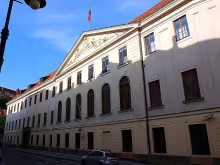
Thun Palace, known as Thunovský palác in Czech, stands prominently in Prague's Malá Strana district. It serves as the seat of the Chamber of Deputies of the Czech Republic. This classical-style palace has been recognized for its historical and cultural significance since 1958 and was designated a National Cultural Monument in 1992. Its rich history is intertwined with pivotal moments in Czechoslovakia’s journey to independence, making it an essential landmark for both historians and tourists.
The origins of Thun Palace trace back to the early 18th century when it was initially known as Roupovský dům. The property came into the possession of Markéta Anna Thunová in 1650, marking its transformation from a private residence to an influential public building. By 1801, the Czech estates acquired the palace from Anna Marie Thunová, setting the stage for its evolution into a parliamentary seat during a period characterized by significant political and cultural shifts across Europe, including Bohemia.
Architecturally, Thun Palace underwent substantial modifications over the centuries to meet changing needs. Originally built as a private residence, it transitioned into a classical style building after being purchased by the Czech estates. The palace was rebuilt following a fire in 1794 and further adapted between 1936 and 1940 for parliamentary use. These changes reflect its dynamic role in accommodating both cultural events and political functions.
Throughout its history, Thun Palace has been associated with notable figures and dramatic events. In 1779, an Italian opera company led by Pascala Bondini performed here, reportedly attended by Emperor Josef II. The palace also served as a venue for the Bohemian Diet from 1861 until it was repurposed following Czechoslovak independence in 1918. On November 14 of that year, Tomáš Garrigue Masaryk was elected president at this location, marking a significant moment in the nation's history.
The palace has witnessed several key events and curiosities over time. Its original motto on the shield before 1918 read: "FRANCISCO II. AVSPICE REBVS PATRIAE AGVNDIS BOHEMIAE ORDINES MDCCCI." After the establishment of the republic, it was replaced with a new motto: "SALVUS REI PUBLICAE SVPREMA LEX ESTO" (The welfare of the state shall be the supreme law). These changes symbolize the transition from monarchy to republic and underscore its role in shaping national identity.
Today, Thun Palace remains an accessible and significant site for visitors. As the seat of the Chamber of Deputies, it continues to play a crucial role in Czech politics while also serving as a historical monument that offers insights into the nation's past. Its location in Malá Strana, surrounded by historic buildings and cultural landmarks, enhances its appeal as a destination for those interested in exploring Prague’s rich heritage.
Thun Palace stands not only as a testament to architectural evolution but also as a witness to pivotal moments in Czech history. It invites visitors to delve into the layers of stories embedded within its walls, offering a unique perspective on the nation's journey towards independence and democracy. For anyone visiting Prague, Thun Palace is an essential stop that connects the past with the present, making it a site worth exploring for its historical significance and cultural resonance.
Historical milestones
- 1779
- An Italian opera company led by Pascala Bondini performed here.
- 1794
- The palace burned down.
- 1918
- Czechoslovak independence was declared at this location.
Architectural development
The palace underwent significant changes over the centuries. Initially a private residence, it was transformed into a classical style building for parliamentary use after being purchased by the Czech estates in 1801. Further modifications occurred between 1936 and 1940, adapting it to modern needs.
Historical events
In 1779, an Italian opera company led by Pascala Bondini performed here, reportedly attended by Emperor Josef II.
The palace burned down in 1794 but was later rebuilt and served as a venue for the Bohemian Diet from 1861.
On November 14, 1918, Czechoslovak independence was declared at this location, with Tomáš Garrigue Masaryk elected president.
Owners
Initially owned by Jan z Roupova, purchased by Markéta Anna Thunová in 1650; later acquired by the Czech estates from Anna Marie Thunová in 1801.
Points of interest
- Thun Palace was originally known as Roupovský dům before acquiring its current name, reflecting its transformation from a private residence to an influential public building.
- The palace hosted performances by the Italian opera company led by Pascala Bondini in 1779, attended by Emperor Josef II, highlighting its cultural significance during that era.
Guide
Show guide text
Welcome to the Thun Palace in Sněmovní, a remarkable site nestled in Prague's charming Malá Strana district. As you stand here, take a moment to absorb its grandeur and the rich history that surrounds this iconic building. Originally known as Roupovský dům, this palace is not just an architectural marvel but also serves as the seat of the Chamber of Deputies of the Parliament of the Czech Republic.
The story of Thun Palace begins in 1650 when Markéta Anna Thunová acquired it, marking the start of its transformation from a private residence into a building of significant public importance. Over the years, this site has witnessed pivotal moments in history and undergone various changes that reflect its evolving role within society.
As you gaze upon the palace, notice the elegance of its facade, which hints at the many eras it has endured. This structure has been a silent witness to both grand celebrations and somber events, including the dramatic fire of 1794 that led to significant reconstruction efforts.
The palace is intertwined with fascinating stories and historical figures who have left their mark here. In 1779, its halls echoed with music as an Italian opera company led by Pascala Bondini performed for none other than Emperor Josef II himself. This event highlights the cultural significance of Thun Palace during a time when it served not only as a political hub but also as a center for artistic expression.
Another pivotal moment in history occurred here in 1918, with the declaration of Czechoslovak independence by Tomáš Garrigue Masaryk and others, marking a new chapter in the nation's story. This event underscores the palace’s role as a witness to the birth of modern Czech statehood.
One intriguing aspect that might catch your attention is how Thun Palace transitioned from being known as Roupovský dům to its current name. This change reflects not just a shift in ownership but also the building's evolving significance over centuries, from private hands into an influential public institution.
As you continue exploring, let yourself be drawn by the layers of history embedded within these walls and imagine the countless stories that have unfolded here. The Thun Palace is more than just a building; it’s a tapestry woven with threads of political intrigue, cultural richness, and historical milestones.
I invite you to delve deeper into its corridors and uncover more about this fascinating site. Whether you're drawn by its architectural beauty or intrigued by the tales of those who walked these halls, there's always something new to discover at Thun Palace. Thank you for joining me on this brief journey through time, and I hope it inspires you to explore further and create your own connections with this extraordinary place.
Businesses nearby
Nearby
Located in Prague's Malá Strana district, Thunovský palác is surrounded by historic buildings and cultural landmarks. The area features a mix of architectural styles from different eras, contributing to its rich historical ambiance.
Accommodation nearby
Trips and activities nearby
Guided tours, tickets and activities nearby from GetYourGuide
Search tours and activities →Themed route
Thematic Walking Tour: Discovering the Charm of Malá Strana
1. Thunovský Palác ve Sněmovní Type: Baroque Palace Why Visit: Begin your journey at this stunning baroque masterpiece, known for its intricate architecture and historical significance. The palace once served as a residence for influential figures in Czech history and now stands as a testament to the opulence of the era.
2. Church of Our Lady before Týn Type: Gothic Cathedral Why Visit: Just a short walk from Thunovský Palác, this iconic church offers breathtaking views of Prague from its towers. Its twin spires dominate the skyline and provide insight into the city's rich religious heritage.
3. Wallenstein Garden Type: Historic Garden Why Visit: Adjacent to the Church of Our Lady before Týn, this serene garden is a perfect spot for relaxation after exploring the architectural wonders nearby. Its beautifully maintained paths and greenery offer a peaceful retreat amidst the bustling city.
4. House at the Black Madonna Type: Historic Building Why Visit: A short walk from Wallenstein Garden, this building is famous for its Baroque façade featuring the statue of the Black Madonna, one of Prague's most revered religious icons. The house and its courtyard are steeped in history and artistry.
5. Malá Strana Square Type: Historic Square Why Visit: Conclude your tour at this charming square, a quintessential representation of Malá Strana’s historic charm. Surrounded by elegant buildings and lively cafés, it offers a perfect spot to reflect on the day's discoveries while enjoying local culture.
This thematic walking tour encapsulates the essence of Malá Strana, blending architectural beauty with cultural depth in one of Prague's most enchanting districts.
Seasonal recommendations
Spring: Visiting Thun Palace during spring offers a delightful experience as the city of Prague awakens with vibrant colors and fresh blossoms. The gardens surrounding the palace are particularly enchanting, adorned with blooming flowers that create a picturesque backdrop for your visit. Spring light is soft and warm, casting gentle hues across the historic architecture, enhancing its beauty. This season sees moderate visitor numbers, making it an ideal time to explore without the crowds of peak tourist seasons. For comfort, wear layers as temperatures can vary; mornings may be cool while afternoons become pleasantly mild.
Summer: Summer brings a lively atmosphere to Thun Palace with longer daylight hours and warm weather perfect for exploring both indoors and outdoors. The palace gardens are lush and vibrant during this time, offering scenic spots for relaxation or picnics. However, summer is also the peak tourist season in Prague, so expect larger crowds, especially around midday. To avoid long lines, consider arriving early in the morning when it's cooler and quieter. Light, breathable clothing is advisable to stay comfortable under the sun.
Autumn: Autumn transforms Thun Palace into a canvas of rich colors with golden leaves creating a stunning contrast against the historic architecture. The crisp air and softer light enhance the ambiance, making it an ideal time for photography enthusiasts. Visitor numbers begin to decrease as summer ends, offering a more tranquil experience. This season is perfect for those who enjoy cooler weather; layer your clothing to adapt to fluctuating temperatures throughout the day.
Winter: Winter at Thun Palace offers a magical and serene atmosphere with snow-dusted rooftops and festive decorations that add charm to the historic site. The shorter days mean the palace might close earlier, so plan your visit accordingly. While winter can be chilly, it's an enchanting time for those who appreciate Prague's quieter side as tourist numbers dwindle. Dress warmly in layers, including a coat, hat, gloves, and scarf, to fully enjoy the experience without discomfort from the cold.
Visualizations and artistic views

Vizualizace jsou generovány umělou inteligencí a slouží jako inspirace.


Tips from visitors
No tips yet. Be the first!
Log in and add your tip.
Location on the map

Příběhy a pověsti
Legendy, pověsti a příběhy spjaté s touto památkou
Reviews and comments