





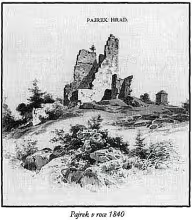
The ruins of Pajrek Castle stand majestically above Nýrsko in the western Bohemian Forest, at an elevation of 505 meters. Constructed in the early 14th century by the lords of Janovic, this border fortress played a strategic role during its time, particularly amidst the tumultuous Hussite Wars. Today, Pajrek is notable for its massive residential tower that remains as a testament to medieval military architecture and regional history.
Pajrek's origins trace back to a period marked by political fragmentation in Bohemia, where territorial disputes were common. Built on a northern spur of Hraničář mountain at the dawn of the 14th century, it served as a defensive outpost. Its strategic location was crucial for controlling access through the region and safeguarding against invasions.
Architecturally, Pajrek Castle reflects the military needs of its era. Initially constructed in the early 1400s, it featured robust fortifications typical of medieval border castles. After being captured and burned by Bavarian forces in 1479, the castle underwent partial restoration under Jindřich Kostomlatský z Vřesovic in 1512. Despite these efforts, Pajrek eventually succumbed to decay following his death.
Ownership of Pajrek saw significant changes over its history. Initially held by the lords of Janovic, it later came into the possession of notable figures such as Jan z Janovic and Jindřich Kostomlatský z Vřesovic. During the Hussite Wars, Jan z Janovic notably shifted allegiances between the Hussites and Catholics, reflecting the castle's strategic importance.
Key events in Pajrek's history include its capture by Bavarian forces in 1479, which led to its destruction by fire. This event marked a turning point, leading to its partial restoration decades later. Despite these efforts, the castle was eventually abandoned in the mid-16th century, leaving only the remains of its once-imposing tower.
Today, Pajrek Castle is recognized as a cultural monument, having been declared such in 1964. The site offers visitors a glimpse into medieval military architecture and regional history. Although much of the original structure has succumbed to time, the surviving tower stands as a powerful reminder of the castle's historical significance. Accessible through natural landscapes typical of the Šumava mountains, Pajrek is an intriguing destination for those interested in exploring the rich tapestry of Czech history.
Visiting Pajrek Castle provides not only a connection to the past but also an appreciation for its enduring legacy as a symbol of medieval fortification and regional heritage. Its ruins invite exploration and reflection on the historical narratives that have shaped this remarkable site.
Historical milestones
- 1360
- First documented mention of Pajrek.
- 1379
- Owned by Něpr and Ondřej z Janovic.
- 1479
- Bavarian forces captured and burned the castle.
- 1512
- Jindřich Kostomlatský z Vřesovic purchased and partially restored Pajrek.
Architectural development
Pajrek was initially built in the early 14th century by the lords of Janovic. After being destroyed in 1479, it underwent partial restoration under Jindřich Kostomlatský z Vřesovic in 1512. However, following his death, the castle quickly deteriorated into ruins.
Historical events
During the Hussite Wars, Jan z Janovic alternated allegiances between the Hussites and Catholics.
In 1479, Bavarian forces captured and burned down the castle.
Owners
Páni z Janovic (14th century - early 16th century)
Jan z Janovic
Jindřich Kostomlatský z Vřesovic (1512)
Points of interest
- Despite its strategic importance during the Hussite Wars, Pajrek Castle was captured and burned by Bavarian forces in 1479, highlighting the volatile nature of regional power dynamics at the time.
- The castle's owner, Jan z Janovic, is notable for his shifting allegiances between the Hussites and Catholics, reflecting the complex political landscape during the Hussite Wars.
- Pajrek Castle underwent partial restoration by Jindřich Kostomlatský z Vřesovic in 1512 after being destroyed by fire, showcasing efforts to preserve its historical significance despite challenges.
Guide
Show guide text
Welcome! You stand before a historical mystery – the ruins of Pajrek Castle, majestically rising in the Šumava Mountains near Stará Lhota and Nýrsko. This local treasure's remnants tell a story of a past filled with strategic maneuvers and military conflicts.
Let's dive into history. Pajrek Castle was built at the beginning of the 14th century by the lords of Janovice, who chose this location for its strategic value during a time full of changes and unrest. The earliest written mention of Pajrek dates back to 1360, confirming its long history as a key castle in the region. In 1379, ownership transferred to Něpr and Ondřej of Janovice, who continued to maintain its importance.
Now take a look up – notice the impressive residential tower. This dominant structure is the most famous element of the castle that survived even after its destruction, serving as a monument to its former territorial allure. Although we are witnessing only walls and remnants, the atmosphere of the castle is incredibly exciting.
Key figures associated with Pajrek include the lords of Janovice and Jindřich Kostomlatský of Vřesovice. These individuals played significant roles in changes to the ownership and purpose of the castle, especially during the Hussite Wars. In 1512, Jindřich Kostomlatský of Vřesovice attempted a partial restoration of the castle, highlighting its lasting importance.
An interesting fact is that despite its strategic significance, Pajrek was captured and burned by Bavarian forces in 1479. This story underscores the unstable nature of regional power at the time when loyalties changed rapidly.
Now that you've noticed these historical remnants and imagined the lives of those who once walked their halls, we invite you to continue your exploration. Pajrek is a place full of secrets and stories waiting to be uncovered. We hope your visit has intrigued and inspired you to further explore the history of this fascinating site.
Thank you for listening. We hope you return to this beautiful area of Plzeňský Region and discover more of its treasures. Goodbye!
Tips for visitors
The best time to visit Pajrek is during late spring to early autumn, specifically from May to September. During these months, the weather is generally mild, making it ideal for exploring the castle ruins and hiking the surrounding trails. The lush greenery of the Šumava mountains enhances the beauty of the area, providing a picturesque backdrop for your visit.
Parking and transport options are convenient for visitors. There are parking areas available near Stará Lhota, which is close to Pajrek. For those preferring public transportation, there are bus services that connect nearby towns with Nýrsko, from where you can continue on foot or by car to the ruins. Always check current transport schedules before your trip.
When planning your visit, it's advisable to bring comfortable walking shoes as the terrain around Pajrek involves some hiking. A hat and sunscreen are recommended due to the exposure to sunlight in open areas. Additionally, carrying a water bottle is essential for staying hydrated during your exploration of the site and trails.
For photography enthusiasts, early morning or late afternoon offers the best light conditions at Pajrek. The soft golden hues create dramatic shadows and highlights on the ruins, enhancing their historical charm. The panoramic views from the castle's vantage points are particularly stunning during these times. Don't forget to capture the surrounding Šumava mountain range for a complete scenic experience.
Nearby attractions within 30 minutes include Stará Lhota, which offers charming architecture and local shops, making it a pleasant place for a short visit or refreshment stop. The area is also rich in hiking trails that cater to all levels of fitness, providing opportunities to explore the natural beauty of the Šumava region. These activities are great for families looking to enjoy both history and nature.
Businesses nearby
Do you run a restaurant, accommodation, shop, museum, rental, wellness or other visitor service near this monument? Show yourself directly to the people heading to it — this is how they will see you in the app and on the web:
Nearby
Surrounded by the Šumava mountains, Pajrek is near Stará Lhota and Nýrsko. The area features natural landscapes typical of the region, including forests and hiking trails.
Accommodation nearby
Themed route
Thematic Vltour: Exploring the Ruins of Pajrek and its Surroundings
1. Pajrek (Zřícenina) - *Type:* Historical Site - *Why Visit:* Begin your journey at the ruins of Pajrek, a medieval castle ruin nestled in the Šumava mountains near Nýrsko. The site offers breathtaking views and an intriguing glimpse into the region's historical past. Explore the remnants of what was once a formidable stronghold.
2. Surrounding Forest Trails - *Type:* Nature Trail - *Why Visit:* After exploring Pajrek, venture into the nearby forests that are typical of the Šumava landscape. These trails offer serene walks through lush greenery and provide opportunities for wildlife spotting and enjoying the tranquility of nature.
3. Stará Lhota - *Type:* Village - *Why Visit:* A short journey from Pajrek, Stará Lhota is a charming village that offers insights into traditional Czech rural life. The village's quaint architecture and peaceful atmosphere make it an ideal spot for relaxation and reflection.
4. Nýrsko - *Type:* Town - *Why Visit:* Conclude your tour in Nýrsko, the town that provides a perfect blend of local culture and natural beauty. Explore its historical sites and enjoy the scenic views it offers, making it an excellent place to wrap up your exploration of the area.
This thematic tour allows you to immerse yourself in the rich history and stunning landscapes surrounding Pajrek while exploring nearby Stará Lhota and Nýrsko.
Seasonal recommendations
Spring: Visiting the ruins of Pajrek during spring offers a unique experience as nature begins to awaken around this historical site. The landscape is adorned with vibrant wildflowers and budding trees, creating an enchanting atmosphere that highlights the ancient stones against a backdrop of fresh greenery. This season sees fewer visitors compared to summer, allowing for a more peaceful exploration. It's advisable to wear comfortable walking shoes and layers, as temperatures can vary throughout the day. Early morning visits are recommended to enjoy the site in cooler conditions and capture the soft light that enhances the ruins' mystique.
Summer: Summer is an ideal time to explore Pajrek when the weather is warmest, making it perfect for a leisurely stroll through the ruins. The long daylight hours provide ample opportunity to fully appreciate the historical significance of the site, though visitors should be prepared for larger crowds during peak tourist season. Sun protection is essential; wear hats, sunglasses, and sunscreen, and consider bringing water to stay hydrated. Arriving early in the morning can help avoid the midday heat and ensure a more comfortable visit.
Autumn: The autumn months bring a magical transformation to Pajrek with its rich tapestry of warm colors as leaves turn golden and red. This season offers a serene atmosphere, perfect for photography enthusiasts who wish to capture the ruins amidst nature's vibrant palette. Cooler temperatures make it an ideal time for outdoor activities without the summer crowds. Dressing in layers is recommended due to fluctuating weather conditions, and carrying a light jacket can be beneficial as the day progresses.
Winter: Winter at Pajrek presents a stark yet beautiful contrast with snow often blanketing the ruins, creating a picturesque scene reminiscent of scenes from historical tales. The quietness of the site during this season adds to its atmospheric charm, though accessibility may be affected by snow or ice. Visitors should dress warmly in insulated clothing and wear sturdy boots for safety on potentially slippery paths. It's best to check weather conditions beforehand as opening hours might vary with winter conditions.
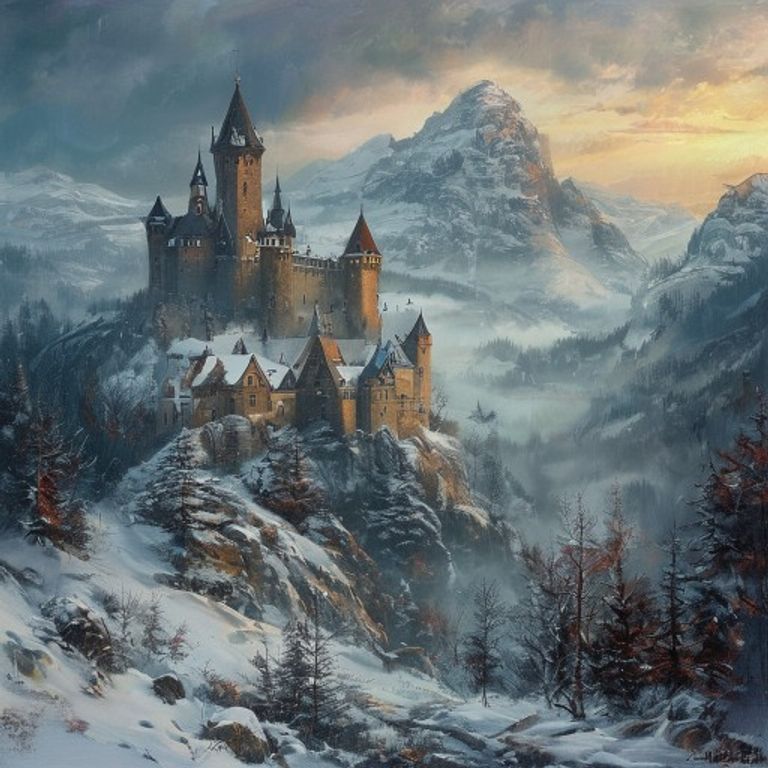
Visualizations and artistic views

Vizualizace jsou generovány umělou inteligencí a slouží jako inspirace.

Tips from visitors
No tips yet. Be the first!
Log in and add your tip.
Location on the map


Příběhy a pověsti
Legendy, pověsti a příběhy spjaté s touto památkou
Reviews and comments