






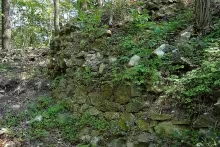
Mojžíř, also known as Wessenstein, is a ruined castle on Strážný hill near Ústí nad Labem in the Czech Republic. Situated at 275 meters above sea level, it overlooks the city from the Elbe River's left bank. The site features remnants of its oval layout and partial wall structures, mainly in the eastern section. Despite its historical significance, no written records exist about the castle, leaving much of its history open to interpretation.
The origins of Mojžíř are shrouded in mystery due to a lack of documented evidence. Historical sources suggest it existed from the late 13th century into the early 14th century. The name "Mojžíř" is disputed; it is often referred to as Wessenstein, though this may be confused with another German castle near Dohna. Archaeological findings support its existence during this period, but details about its construction and initial purpose remain speculative.
Architecturally, Mojžíř had an oval ground plan with a semicircular moat on its eastern side. The core area featured natural rock formations without significant structural remains, except for some wall fragments in the east. This simple yet strategic design reflects typical medieval fortification practices of the time, emphasizing defense and control over the surrounding landscape.
Ownership of Mojžíř is primarily associated with the Lungvic family from the second half of the 14th century until around 1401. Vygand z Lungvic was noted as an owner in 1387, while Děpolt z Lungvic was last mentioned in 1401. Between 1401 and 1404, Václav z Vartenberka acquired the estate, leading to the castle's decline and eventual abandonment. This transition marked a significant change in the site's history, as it became unnecessary for its original defensive purposes.
Key events at Mojžíř are limited due to the absence of written records. However, its role as a center of the Lungvic family's estate during their ownership highlights its importance in regional administration and control. The lack of dramatic historical events or battles associated with the site further underscores its primarily administrative function rather than military significance.
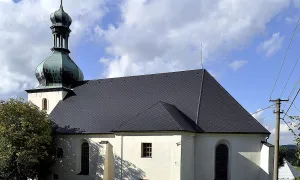
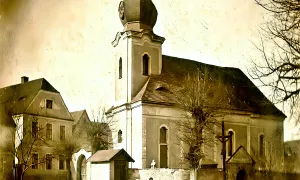
Today, Mojžíř stands as a testament to medieval fortification practices, accessible through a non-marked path starting from the church of Saint Simon and Jude in Mojžíř. Visitors can follow a route that leads through gardens and fields before ascending directly to the remnants of the castle. The site offers scenic views of the Elbe River and the surrounding natural landscapes, making it an intriguing destination for those interested in history and architecture.
Mojžíř's value lies not only in its historical significance but also in its ability to connect visitors with a past that is both mysterious and fascinating. Its ruins invite exploration and reflection on the lives of those who once inhabited this strategic location. For anyone intrigued by medieval history or seeking a unique experience, Mojžíř offers an opportunity to step back in time and explore the remnants of a forgotten era.
Historical milestones
- end of the 13th century
- The existence of Mojžíř is presumed from the end of the 13th century.
- beginning of the 14th century
- Mojžíř existed until the beginning of the 14th century.
- second half of the 14th century
- The Lungvic family became owners of Mojžíř.
- 1387
- Vygand z Lungvic was listed as the owner.
- 1401
- Děpolt z Lungvic was last mentioned, followed by the takeover by Václav z Vartenberka.
- 1401-1404
Architectural development
The castle had an oval ground plan with a semicircular moat on its eastern side. The core area featured natural rock formations without significant structural remains, except for some wall fragments in the east.
Historical events
Ownership by the Lungvic family began in the late 14th century, marking Mojžíř as a center of their estate.
In 1387, Vygand z Lungvic is noted as an owner; Děpolt z Lungvic was last mentioned in 1401.
Between 1401 and 1404, Václav z Vartenberka took over the estate, leading to the castle's decline.
Owners
The Lungvic family owned Mojžíř from the second half of the 14th century until around 1401 when Václav z Vartenberka acquired it. The castle became unnecessary and was subsequently abandoned.
Points of interest
- Despite its name "Mojžíř," the castle is often referred to as Wessenstein; however, this might be a mix-up with another German castle near Dohna, adding an element of identity confusion to its history.
- The oval design and semicircular moat of Mojžíř reflect typical medieval fortification strategies aimed at maximizing defense capabilities using the natural landscape, showcasing the architectural ingenuity of the time.
Guide
Show guide text
Welcome to the historic site of Mojžíř, also known as Wessenstein, a captivating ruin perched on Strážný hill overlooking Ústí nad Labem from the left bank of the Elbe River. As you stand here, imagine the panoramic view that once stretched before its inhabitants, with remnants of an oval layout and partial wall structures to your east inviting contemplation.
The origins of Mojžíř trace back to the end of the 13th century when it first emerged as a stronghold. Its existence continued into the early 14th century, serving as a silent witness to the region's evolving history. By the mid-14th century, the noble Lungvic family became its proprietors, adding their chapter to this storied site.
As you explore, take note of the oval design and semicircular moat that reflect typical medieval fortification strategies. These features speak volumes about the strategic importance placed on defense during its time. While specific architectural details remain elusive due to the passage of time, the layout hints at a once formidable presence.
Several key figures are intertwined with Mojžíř's history. Vygand z Lungvic was recorded as the owner in 1387, followed by Děpolt z Lungvic, who was last mentioned before the site transitioned into new hands. By 1401, Václav z Vartenberka took over, repurposing the castle for other uses and leading to its eventual abandonment between 1401 and 1404.
A fascinating aspect of Mojžíř is its name confusion; despite being commonly referred to as Wessenstein, this might be a mix-up with another German castle near Dohna. This adds an intriguing layer of identity mystery to its history.
As you continue your exploration, let the echoes of the past guide you through this historic landscape. Each stone and fragment tells a story of times long gone but not forgotten. We invite you to delve deeper into the mysteries that Mojžíř holds, discovering more about its storied past with each step.
Thank you for joining us on this journey through history. May your visit inspire curiosity and wonder as you uncover the secrets of Mojžíř.
Tips for visitors
The best time to visit Mojžíř is during late spring or early autumn when the weather is mild, making it ideal for exploring the ruins without the discomfort of summer heat or winter cold. During these months, you can enjoy the natural beauty surrounding the castle with fewer crowds and more comfortable temperatures. Additionally, the foliage in autumn provides a stunning backdrop to the historic site.
Parking at Mojžíř is convenient as there are designated parking areas nearby. If you prefer public transportation, it's accessible by bus or train from Ústí nad Labem; however, for specific routes and schedules, please check a local transport app or website. Walking paths lead directly to the castle ruins, making it an easy hike from either mode of transport.
When visiting Mojžíř, consider bringing comfortable walking shoes as you'll be exploring uneven terrain around the ruins. A hat, sunscreen, and water are also recommended, especially if you plan to spend several hours enjoying the scenic views. For those interested in learning more about the site's history, a guidebook or map can enhance your visit.
Photography enthusiasts will find Mojžíř offers excellent opportunities for capturing stunning images. The best spots include the vantage points on Strážný hill where you can photograph the ruins with the Elbe River in the background. Early morning or late afternoon light provides a soft glow that enhances the textures of the castle's remains, making it perfect for dramatic shots.
For families with children, while there are no specific attractions within 30 minutes of Mojžíř, the natural landscapes around Strážný hill offer opportunities for outdoor activities like hiking and picnicking. Exploring the trails can be a fun adventure for kids, and the open spaces provide a great setting for family photos.
Businesses nearby
Do you run a restaurant, accommodation, shop, museum, rental, wellness or other visitor service near this monument? Show yourself directly to the people heading to it — this is how they will see you in the app and on the web:
Nearby
Mojžíř is situated near Ústí nad Labem and features natural landscapes including Strážný hill. The area lacks other significant monuments but offers scenic views of the Elbe River.
Accommodation nearby
Trips and activities nearby
Guided tours, tickets and activities nearby from GetYourGuide
Search tours and activities →Themed route
Tematická výletní trasa: Zřícenina Mojžíř a okolí
1. Zřícenina Mojžíř - *Typ:* Historická zřícenina - *Proč stojí za návštěvu:* Zajímavým počátkem této trasy je samotná zřícenina Mojžíř, která vás přenesou do minulosti a nabídne pohled na historii regionu. I když jsou zde jen některé zbytky hradního komplexu, mají velký historický význam a nabízejí impozantní vyhlídky.
2. Strážný vrch - *Typ:* Přírodní pohledisko - *Proč stojí za návštěvu:* Krátce od zříceniny se nachází Strážný vrch, který nabízí vynikající výhledy na okolní krajinu a řeku Labe. Je to ideální místo pro relaxaci a užívání přírodní krásy bez velkého množství lidí.
3. Vyhlídka nad Ústím nad Labem - *Typ:* Pohledový bod - *Proč stojí za návštěvu:* Po prozkoumání Strážného vrchu můžete pokračovat k dalšímu pohledovému bodu, který vám otevře panoramatický pohled na město Ústí nad Labem a řeku Labe. Tento místo je ideální pro fotografování a užívání klidného okamžiku.
4. Přírodní oblasti kolem Mojžíře - *Typ:* Přírodní krajina - *Proč stojí za návštěvu:* Kolem zříceniny a Strážného vrchu se nachází řada přírodních oblastí, které jsou ideální pro krátký pohled na místní flóru a faunu. Tyto oblasti nabízejí klidnou chvíli pro procházku nebo piknik v malebném prostředí.
Tato trasa nabízí kombinaci historických i přírodních zážitků, což ji činí ideální volbou pro milovníky kultury a přírody.
Seasonal recommendations
Jaro: During the spring season, Mojžíř (the ruins) transforms into a vibrant carpet of flowers, with surrounding fields covered in diverse flora. The morning sun illuminates the ruins in light that highlights their historical architecture, creating an impressive visual effect. Due to mild temperatures and fewer tourists, this time is ideal for a peaceful visit. Visitors should wear comfortable shoes for potential dampness and moderate clothing, as temperatures can change quickly.
Léto: Summer brings long sunny days and lively atmosphere around Mojžíř. The ruins become brighter in the sunlight, which may make an afternoon visit somewhat hot. This is the most popular time for tourists, so it's recommended to visit early in the morning or later in the evening to avoid crowds and special sunlit effects. Wearing light clothing and thoughtfully bringing sunscreen against UVB rays is key for a comfortable outing.
Podzim: A fall visit to Mojžíř offers a unique atmosphere, with forests and surrounding landscapes covered in various colors of leaves. The sun sets earlier, creating romantic lighting on the ruins. This time is ideal for a peaceful visit without crowd congestion. Visitors should be equipped with warmer clothing and possibly an umbrella, as autumn weather often changes quickly.
Zima: In winter, Mojžíř is a quieter place with cold air and snow-covered mountains. The ruins take on a mysterious appearance under icy vaults or in shadowy days, making it an ideal spot for photography. Opening hours may be limited, and the journey there can be more challenging due to snow or ice, so it's important to wear warm clothing and suitable shoes. Visiting during this period means enjoying a tranquil atmosphere without tourist crowds.
Visualizations and artistic views

Vizualizace jsou generovány umělou inteligencí a slouží jako inspirace.

Tips from visitors
No tips yet. Be the first!
Log in and add your tip.



Reviews and comments