





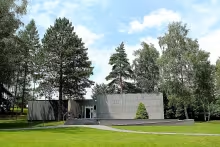
Ležáky is a poignant historical monument located in Habroveč village within Miřetice municipality, Pardubický kraj, Czech Republic. This site commemorates the tragic events of World War II when Nazi forces destroyed the village as retaliation for its residents' involvement with resistance efforts against German occupation. The destruction serves as a stark reminder of the brutal reprisals faced by those opposing Nazi rule, especially after the assassination attempt on Reinhard Heydrich.
The origins of Ležáky trace back to a small community inhabited primarily by stonecutters and cottagers living in eight houses near a mill. Named after the nearby Ležák rivulet, the village fell under severe repression during World War II when Czechoslovakia was occupied by Nazi forces. In December 1941, Allied paratroopers were dropped into the region as part of Operation Anthropoid to assassinate Reinhard Heydrich, then Acting Reichsprotektor for the Nazi Protectorate of Bohemia and Moravia. Some Ležáky residents assisted these efforts by hiding a radio set used in another operation known as Silver A.
The assassination attempt on Heydrich occurred on 27 May 1942, when Czech and Slovak soldiers attacked his car. He succumbed to his injuries on 4 June 1942. In response, the Nazis imposed martial law and initiated brutal reprisals across occupied territories. On 10 June 1942, Lidice was razed, with all male inhabitants executed. Gestapo agents discovered a radio transmitter in Ležáky belonging to Operation Silver A, leading to further retribution against its residents.
On 24 June 1942, Nazi forces under Gerhard Clages surrounded Ležáky and organized the massacre. All 33 adults were executed, while only 13 children were spared. Two sisters, Jarmila and Marie Šťulík, were selected for Germanization but later returned to their families after the war. The remaining 11 children were sent to the Chełmno extermination camp, where they perished in summer 1942.
Following these events, Ležáky was not rebuilt; instead, a memorial park was established to honor the victims. Architect Ladislav Žák designed this memorial between 1946 and 1947, incorporating 'grave-houses' marking former homes' locations and a museum completed in the 1970s. The site was declared a National Cultural Monument in both 1978 and 1995.
Today, Ležáky stands as a solemn reminder of World War II atrocities and serves as an important educational site for visitors. The memorial park is accessible to the public, offering insight into the village's history through its museum and preserved elements. Visiting Ležáky provides a profound understanding of war's impact on small communities and underscores the importance of remembering those who suffered under oppressive regimes. This monument invites reflection on human resilience in the face of unimaginable adversity, making it significant for both historical education and remembrance.
Historical milestones
- 1942
- The village was destroyed by Nazi forces.
- 1946-1947
- Architect Ladislav Žák designed the memorial concept.
Architectural development
After World War II, the area of Ležáky saw the creation of an intuitive memorial park. Architect Ladislav Žák designed a concept for the memorial between 1946 and 1947, which included 'grave-houses' marking the locations of former homes and a museum completed in the 1970s.
Historical events
1942: The village of Ležáky was burned and its inhabitants were executed by Nazi forces in retaliation for aiding the assassination attempt on Reinhard Heydrich.
1978 & 1995: The memorial site at Ležáky was declared a National Cultural Monument.
Points of interest
- Although Ležáky was a small village with only eight houses, it played a significant role in the resistance against Nazi occupation due to its residents' involvement in Operation Anthropoid and Operation Silver A.
- The sisters Jarmila and Marie Šťulík were initially taken for Germanization but managed to return to their families after World War II, highlighting an extraordinary tale of survival amidst tragedy.
Guide
Show guide text
Welcome to the poignant site of Ležáky in Habroveč, a place where history whispers tales of courage and tragedy. As you stand here, surrounded by the serene landscape of the Czech Republic's Pardubický kraj, take a moment to absorb the profound silence that envelops this memorial park.
Ležáky was once a humble village with just eight houses and a mill, but its story is anything but ordinary. In 1942, during World War II, it became a symbol of resistance against Nazi occupation. The village was destroyed by Nazi forces as retribution for sheltering members of the Silver A parachutist group involved in an assassination attempt on Reinhard Heydrich, one of the most notorious figures of the Third Reich.
Now, let your eyes wander across this memorial park, carefully designed between 1946 and 1947 by architect Ladislav Žák. The landscape is thoughtfully crafted to evoke reflection and remembrance. Notice how the open spaces invite you to ponder the lives that once filled these now silent fields. The absence of buildings speaks volumes about the village's fate and the resilience of those who fought against tyranny.
Among the many stories tied to this place, two sisters stand out: Jarmila and Marie Šťulík. Initially taken for Germanization, their bravery became a beacon of hope during these dark times. Their involvement in Operation Anthropoid and Operation Silver A highlights the village's significant role in the resistance movement.
A fascinating aspect of Ležáky is its transformation from a small village into a site of historical significance. Despite its size, it played a crucial part in the fight against Nazi forces, demonstrating that courage knows no bounds.
As you conclude your visit to this memorial park, take a moment to reflect on the stories and sacrifices commemorated here. Let Ležáky inspire you to explore further, seeking out other sites where history's echoes can be heard. Thank you for joining us in remembering the past, and we hope this journey has moved you as much as it has inspired.
Tips for visitors
The best time to visit the Ležáky memorial is during late spring or early autumn, when the weather is mild and pleasant for walking around the site. These seasons offer comfortable temperatures and beautiful natural surroundings, enhancing your experience of this solemn historical location. Additionally, visiting outside of peak summer months can help avoid larger crowds, allowing for a more reflective visit.
Parking at Ležáky is generally available near the entrance to the memorial site. For those traveling by public transport, you can reach nearby towns such as Pardubice and then take local buses or taxis to get closer to the site. It's advisable to check current transportation options online before your visit to ensure a smooth journey.
When visiting Ležáky, it is recommended to bring comfortable walking shoes, as there are paths around the memorial that may involve some walking on uneven terrain. Additionally, consider bringing a hat and sunscreen for protection against the sun, especially during visits in warmer months. Since this site holds historical significance, you might also want to carry a notebook or camera to document your visit.
For photography enthusiasts, early morning is often the best time to capture the memorial with soft lighting. The surrounding landscape offers several picturesque spots where you can take photos that reflect both the beauty and solemnity of the area. It's important to be respectful when taking photographs, especially in areas marked as sensitive or private.
Nearby attractions within a 30-minute drive include the museum dedicated to Ležáky’s history, which provides deeper insights into the village's past and its tragic events during World War II. The remnants of the village itself are also worth exploring for those interested in historical architecture and stories.
Businesses nearby
Do you run a restaurant, accommodation, shop, museum, rental, wellness or other visitor service near this monument? Show yourself directly to the people heading to it — this is how they will see you in the app and on the web:
Nearby
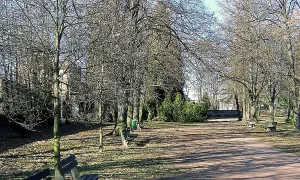
The memorial site is located near Habroveč and Miřetice in Pardubický kraj. The surrounding landscape includes remnants of the village and a museum dedicated to its history.
Accommodation nearby
Themed route
Thematic Walking Tour: Ležáky Memorial Site and Surroundings
1. Ležáky Memorial Site - *Type:* Historical Memorial - *Why Visit:* This poignant memorial commemorates the tragic events of World War II, where thousands were executed in a mass grave during Nazi occupation. The site serves as a powerful reminder of history and resilience, offering visitors an opportunity to reflect on peace and humanity.
2. Remnants of the Village - *Type:* Historical Ruins - *Why Visit:* Explore the remnants of what was once a vibrant village, now silent ruins that tell stories of past lives and communities disrupted by war. Walking through these remains provides insight into the everyday life before the tragic events unfolded.
3. Museum Dedicated to Village History - *Type:* Museum - *Why Visit:* This museum offers an in-depth exploration of the village's history, detailing its cultural heritage and the impact of World War II on its inhabitants. Exhibits include personal artifacts, photographs, and documents that bring the stories of those who lived there to life.
Approximate Route: Begin your journey at the Ležáky Memorial Site, where you can immerse yourself in the history and significance of this solemn place. From here, take a short walk to explore the Remnants of the Village, absorbing the poignant atmosphere and reflecting on the narratives these ruins hold. Conclude your visit at the Museum Dedicated to Village History for a comprehensive understanding of the area's past, enriched by personal stories and historical artifacts.
This thematic tour offers a profound experience, connecting visitors with history through reflection and learning in a deeply meaningful setting.
Seasonal recommendations
Spring: Visiting the Ležáky monument in Habrovéč during spring offers a unique experience as nature awakens around this historical site. The surrounding landscape bursts into life with vibrant wildflowers and budding trees, creating a picturesque backdrop for visitors. The fresh greenery and blooming flora enhance the natural beauty of the area, making it an ideal time to appreciate both history and nature. However, be prepared for unpredictable weather as spring showers are common; therefore, carrying a light raincoat or umbrella is advisable. Early mornings often provide the best lighting for photography, capturing the monument against the soft hues of dawn.
Summer: Summer at Ležáky is characterized by lush greenery and long daylight hours, perfect for exploring the monument in full bloom. The warm weather invites visitors to enjoy outdoor activities around the site, such as picnicking or hiking through nearby trails. However, this season also attracts larger crowds, so arriving early can help avoid peak times and ensure a more tranquil experience. Dressing comfortably in light clothing is recommended due to the heat, and staying hydrated is essential during your visit.
Autumn: Autumn transforms Ležáky into a stunning display of colors as the leaves change from green to vibrant shades of red, orange, and yellow. This season offers a serene atmosphere with fewer visitors compared to summer, allowing for a more peaceful exploration of the monument. The cooler temperatures make it comfortable to walk around without the need for heavy clothing, but carrying a light jacket is advisable in case of chilly breezes. The soft autumnal lighting provides excellent conditions for photography, capturing the historical site amidst the fall foliage.
Winter: Winter at Ležáky presents a stark yet beautiful contrast with snow-covered landscapes and shorter days. The monument takes on an ethereal quality against the backdrop of white surroundings, offering a unique perspective that differs from other seasons. However, visitors should be prepared for cold weather by dressing in warm layers and wearing sturdy boots for walking on potentially icy paths. It's important to check opening hours as they may vary during this season due to shorter daylight hours and inclement weather conditions. Despite the chill, winter provides a tranquil setting with fewer crowds, perfect for those seeking solitude while appreciating history amidst nature’s quiet beauty.
Visualizations and artistic views

Vizualizace jsou generovány umělou inteligencí a slouží jako inspirace.


Tips from visitors
No tips yet. Be the first!
Log in and add your tip.
Location on the map


Příběhy a pověsti
Legendy, pověsti a příběhy spjaté s touto památkou
Reviews and comments