





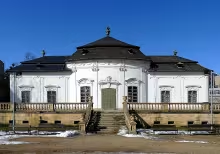
Letohrádek Mitrovských is a late Baroque summer residence located in Staré Brno, near the main entrance to the exhibition grounds. Constructed between 1779 and 1794 for Antonín Arnošt Mitrovský, it exemplifies the classical style of Louis XVI. This historical monument stands out for its architectural elegance, rich history, and cultural significance. The estate features extensive gardens with an orangery and a greenhouse for growing pineapples, enhancing its allure as a site of both historical interest and contemporary use.
The origins of Letohrádek Mitrovských trace back to 1779 when Antonín Arnošt Mitrovský, from the Hungarian branch of the Mitrovský family, commissioned it. Born in Banská Štiavnica, he served in the imperial army and settled in Brno after being injured in 1778. His interests included education, arts, and freemasonry, reflecting Enlightenment ideals. The letohrádek was completed in 1794 as a summer retreat for the family amidst classical architectural trends of Louis XVI.
Architecturally, Letohrádek Mitrovských is noted for its classical style, characterized by symmetry and proportion typical of the era. The estate's design includes extensive gardens that once housed an orangery and a greenhouse dedicated to growing pineapples, showcasing both aesthetic and functional elements of 18th-century landscaping. A significant renovation occurred between 1978 and 1987, adding technical and sanitary facilities under the terrace to ensure preservation and continued use.
Ownership transitioned to the city of Brno in the 19th century as residential and industrial buildings developed around it. Throughout its history, the letohrádek has undergone various transformations, including serving as a kindergarten during World War II. In 1988, the building was taken over by the Museum of the City of Brno and is now leased to a private individual.
Key events in the history of Letohrádek Mitrovských include its construction from 1779 to 1794 and its use as a kindergarten during World War II. An intriguing yet unverified claim suggests that Napoleon Bonaparte may have slept there after the Battle of Slavkov, adding an element of historical curiosity.
Today, Letohrádek Mitrovských is accessible for cultural events such as exhibitions, concerts, weddings, and other social gatherings. Its blend of historical architecture and modern functionality makes it a noteworthy destination for visitors interested in both history and contemporary culture. The letohrádek's enduring legacy invites exploration and appreciation from all who visit.
In reflecting on its value, Letohrádek Mitrovských stands as a testament to the architectural and cultural aspirations of its era while continuing to serve as a vibrant venue for modern events. Its rich history and picturesque setting make it an inviting destination for those eager to experience a piece of Brno's heritage.
Historical milestones
- 1779
- Začátek stavby Letohrádku Mitrovských.
- 1794
- Dokončení Letohrádku Mitrovských.
- 19. století
- Přechod vlastnictví na město Brno.
- 1939
- Použití jako dětská školka během druhé světové války.
- 1988
- Převzetí budovy Muzeem města Brna.
Architectural development
Letohrádek Mitrovských was constructed in the classical style of Louis XVI between 1779 and 1794. It features extensive gardens with an orangery and a pineapple greenhouse. A major renovation occurred from 1978 to 1987, adding technical and sanitary facilities under the terrace.
Historical events
1779-1794: Construction of Letohrádek Mitrovských by Antonín Arnošt Mitrovský.
20th century: During World War II, the building housed a kindergarten.
1978–1987: Major reconstruction including an extension under the terrace.
Owners
The building was originally owned by Antonín Arnošt Mitrovský in the late 18th century. In the 19th century, residential and industrial buildings were constructed nearby. The city of Brno has owned it since then.
Points of interest
- One intriguing aspect of Letohrádek Mitrovských is the unverified legend that Napoleon Bonaparte might have slept there after the Battle of Slavkov in 1805. This claim adds a layer of mystery and historical allure to the letohrádek, even though it lacks concrete evidence.
- The estate's gardens originally featured an orangery and a greenhouse specifically for growing pineapples, reflecting the 18th-century fascination with exotic plants and horticultural innovation. Pineapples were considered luxury items at the time, symbolizing wealth and status.
Guide
Show guide text
Welcome to the enchanting Letohrádek Mitrovských, a late Baroque summer residence nestled in Staré Brno near the main entrance to the exhibition grounds. As you stand here, take a moment to absorb the serene beauty of this historical gem. The elegant structure before you exudes an air of timeless grace and sophistication.
The story of Letohrádek Mitrovských begins in 1779 when it was commissioned by Antonín Arnošt Mitrovský. Constructed between 1779 and 1794, the letohrádek reflects the classical style of Louis XVI, a period marked by elegance and symmetry. This estate not only served as a personal retreat but also symbolized prestige during its time.
As you gaze upon the facade, notice the harmonious blend of architectural elements that define this era. The structure exudes an aura of grandeur with its symmetrical design and classical motifs. While specific architects remain unknown, their vision is evident in every detail, from the balanced proportions to the thoughtful integration with the surrounding landscape.
Letohrádek Mitrovských has been home to many stories and notable figures throughout history. Antonín Arnošt Mitrovský himself was a prominent personality whose legacy continues to echo through these halls. Fast forward to the 19th century, when ownership transitioned to the city of Brno, marking a new chapter in its history.
An intriguing tale that adds a layer of mystery is the unverified legend suggesting Napoleon Bonaparte might have rested here after the Battle of Slavkov in 1805. While there's no concrete evidence, this story captivates the imagination and invites you to ponder what secrets may lie within these walls.
The estate boasts extensive gardens featuring an orangery and a greenhouse where pineapples once thrived. These lush green spaces offer a tranquil escape and invite exploration, enhancing your experience of this historical site.
As time passed, Letohrádek Mitrovských served various purposes, including being used as a children's kindergarten during World War II in 1939. In 1988, the building found new life under the stewardship of the Muzeum města Brna, becoming a vibrant venue for exhibitions, concerts, and weddings.
As you continue your visit, take time to explore every corner and soak in the atmosphere that has captivated visitors for centuries. Letohrádek Mitrovských is not just a building; it's a living testament to history, art, and culture.
Thank you for joining us on this journey through time. We hope you leave with cherished memories and a deeper appreciation for the stories embedded within these walls. Enjoy your exploration of Staré Brno and the many wonders it holds!
Businesses nearby
Do you run a restaurant, accommodation, shop, museum, rental, wellness or other visitor service near this monument? Show yourself directly to the people heading to it — this is how they will see you in the app and on the web:
Events nearby


Event source: Kudy z nudy and open data of the Czech Republic
Nearby
Letohrádek Mitrovských is located near Brno Exhibition Grounds, with residential and industrial buildings developed in its vicinity during the 19th century.
Accommodation nearby
Trips and activities nearby
Guided tours, tickets and activities nearby from GetYourGuide
Search tours and activities →Themed route
Thematic Walking Tour: Letohrádek Mitrovských and Its Surroundings
1. Letohrádek Mitrovských *Type:* Historic Summer House *Why Visit:* Begin your journey at the iconic Letohrádek Mitrovských, a stunning example of 19th-century architecture nestled in Staré Brno. This exquisite summer house offers insight into the region's historical residential styles and provides an intimate glimpse into the past with its beautifully preserved interiors.
2. Brno Exhibition Grounds *Type:* Event Venue *Why Visit:* A short walk from the Letohrádek, the Brno Exhibition Grounds is a modern contrast to the historic architecture of the summer house. This venue hosts numerous exhibitions and events throughout the year, showcasing contemporary culture and innovation. It's an excellent place to appreciate how the area has evolved while still honoring its historical roots.
3. 19th Century Residential Area *Type:* Historic District *Why Visit:* Stroll through the nearby residential streets developed in the 19th century. These areas offer a charming glimpse into the architectural styles and urban planning of the time, with well-preserved buildings that reflect the historical development surrounding the Letohrádek Mitrovských. This walk provides context to the area's transformation from a rural landscape to an integrated part of Brno.
This tour offers a balanced exploration of Staré Brno’s rich history and modern vibrancy, all within walking distance of each other.
Seasonal recommendations
Jaro: During the spring season, Letohrádek Mitrovských transforms into a radiant pavilion as sunbeams pierce through misty clouds and illuminate its historic architecture. The green park surrounding the chateau awakens from its frosty slumber, offering visitors blooming shrubs and trees full of leaves, creating an attractive backdrop for photos. The atmosphere is calm and rejuvenating, with mild crowds since many people are just beginning their travel plans. Practical tips include wearing weather-appropriate clothing—perhaps a combination of warm layers and a hat for sunny days. The best time to visit is in the afternoon when the sun rises high in the sky and lights up the chateau.
Léto: During the summer season, Letohrádek Mitrovských offers an ideal escape into the past as sunny days blend with the serene tranquility of a historic landmark. The park is full of life, with blooming shrubs and trees providing natural shade from warm summer suns. The atmosphere is dazzling and cheerful but can also be crowded, especially during peak summer months. It's recommended to arrive early at the site so visitors can ensure enough time for exploration without unnecessary crowding. Given the warm weather conditions, wearing light, bright clothing and bringing sunglasses and sunscreen are advisable.
Podzim: In the autumn season, Letohrádek Mitrovských offers a unique atmosphere as park trees reveal their golden-red foliage and the sun sets early into darker summer skies. This season is calm and quiet, allowing visitors to enjoy less crowded conditions and a more intimate experience walking along historic paths. Practical tips include wearing warm clothing, such as jackets or skirts, and possibly bringing scarves or hats for chilly afternoons. The best time to visit is in the early afternoon when the sun is still high in the sky, offering beautiful sunset lighting.
Zima: The winter season brings a melancholic and quiet atmosphere to Letohrádek Mitrovských as the park becomes covered with snow or clear icy leaves. Fewer visitors mean a more tranquil environment, allowing guests to enjoy the chateau with much smaller crowds. Sunbeams create magical shadows on icy surfaces and illuminate historic architecture, giving visitors a sense of traveling back in time. Practical tips include wearing warm clothing such as scarves and fur hats, and using thermal footwear if there is snow. Operating hours are shorter, so it's best to visit early afternoon or late evening when the sun still lights up the chateau.
Visualizations and artistic views

Vizualizace jsou generovány umělou inteligencí a slouží jako inspirace.


Tips from visitors
No tips yet. Be the first!
Log in and add your tip.

Reviews and comments