





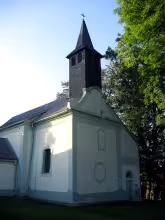
The Church of Saints Philip and James in Dlouhá Ves exemplifies architectural evolution from Gothic to Baroque styles, reflecting Bohemia's significant historical transitions. Situated in the village of Dlouhá Ves in the Plzeňský kraj region, this church was first documented in 1368. It underwent notable transformations during the 18th century when it adopted Baroque aesthetics. Recognized as a cultural monument since 1964, its historical significance is highlighted by its architectural features and role within the local community.
The origins of the Church date back to the late medieval period when Bohemia was part of the Holy Roman Empire. Its initial Gothic construction aligns with broader European trends of that era, characterized by pointed arches and intricate stonework. By the 18th century, religious and cultural shifts led to a Baroque transformation, emphasizing grandeur and elaborate ornamentation.
Architecturally, the church features a single-nave design with plastered walls and a rectangular presbytery. It includes side chapels with barrel vaults, adding spatial complexity. A notable feature is the tower adorning the roof, enhancing its verticality and charm. Inside, visitors can admire old paintings discovered at various locations within the church, offering glimpses into its artistic heritage. Additionally, it houses an organ crafted by Vojtěch Schreyer around 1780, enriching its historical narrative.
Throughout its history, the Church has served as a central religious site for the local community. Until the end of 2019, it functioned as the parish church for Dlouhá Ves. Following the dissolution of this parish, it became a filial church under the Mouřenec parish, highlighting its enduring importance within the region's ecclesiastical framework.
In terms of key events and curiosities, the church's proximity to a Jewish cemetery adds another layer to its historical context. Located approximately 300 meters away, this cemetery dates back to the early 18th century, with the oldest legible tombstone from 1742. It is said that Mathias Kraus, who lived to be 105 years old and inspired a character in J.K. Tyl's play "Tvrdohlavá žena," was buried here.
Today, the Church of Saints Philip and James remains accessible to visitors, inviting them to explore its rich history and architectural beauty. Its status as a cultural monument ensures preservation for future generations to appreciate its significance. The church offers insights into religious and artistic developments over centuries and serves as a reminder of the community's enduring connection to its heritage.
Visiting this historical monument provides an opportunity to delve into Bohemia's architectural and cultural tapestry. Its blend of Gothic origins and Baroque transformations, coupled with its role in local history, makes it a compelling destination for those interested in exploring the past. The Church stands as a beacon of historical continuity, inviting all who wish to uncover the stories embedded within its walls.
Historical milestones
- 1368
- Church first documented.
- kolem 1350
- Initial Gothic construction likely began.
- 18.0
- Baroque transformation of the church.
- 1742
- Oldest legible tombstone in nearby Jewish cemetery.
- 1780
- Organ by Vojtěch Schreyer installed.
- 1964
- Recognized as a cultural monument.
Architectural development
The church began as a Gothic structure and was later transformed into the Baroque style during the 18th century. It features plastered walls, a rectangular presbytery, and side chapels with barrel vaults. The tower adorning the roof adds to its architectural charm.
Historical events
First mentioned in historical records in 1368.
Underwent Baroque reconstruction in the 18th century.
Registered as a cultural monument in 1964.
Points of interest
- The Church of Saints Philip and James underwent a significant transformation in the 18th century when it transitioned from Gothic to Baroque styles, reflecting broader cultural shifts in Bohemia during that period.
- An intriguing historical figure associated with Dlouhá Ves is Mathias Kraus, who reportedly lived to be 105 years old. His life inspired a character in J.K. Tyl's play "Tvrdohlavá žena," linking the church’s history to Czech literary heritage.
Guide
Show guide text
Welcome to Dlouhá Ves, where we stand before the historically rich Church of Saints Philip and James. This church, with its elegant lines and quiet air of the past, is truly a remarkable place that takes us deep into Czech spiritual traditions. Look up at its façade and sense the atmosphere, as centuries speak through the stones here.
Let's begin with the history of this site. The Church of Saints Philip and James has records dating back to 1368, indicating its deep medieval roots. It is likely that its original Gothic construction began around 1350 when architecture was influenced by a spirit of challenge and piety. In the eighteenth century, the church underwent a Baroque transformation, marking broader cultural shifts in Bohemia at the time.
Now let's delve into the architecture of this church. Its single-nave design with plastered walls and square presbytery is truly remarkable. These elements not only contribute to its aesthetics but also tell a story of adaptation and change over time.
Key stories associated with the building heritage of this church include its recognition as a cultural monument in 1964, highlighting its enduring significance. In 1780, an organ by Vojtěch Schreyer was installed inside, adding another layer to its spiritual atmosphere.
An interesting feature related to this location is the historical figure Mathias Kraus. Although details about him remain unknown, his presence in Dlouhá Ves adds a layer of mystery and fascination to the church.
Now that you have viewed the Church of Saints Philip and James, it may be easy to realize how history and architecture come together in one space. Though we do not know the names of its original builders, their work here speaks of the effort and artistry of past generations.
We are pleased to have guided you on a journey into the history of this church. We hope your visit will be full of appreciation and respect for the complex past of Dlouhá Ves. Wishing you pleasant explorations, we bid you farewell here.
Businesses nearby
Do you run a restaurant, accommodation, shop, museum, rental, wellness or other visitor service near this monument? Show yourself directly to the people heading to it — this is how they will see you in the app and on the web:
Nearby
Nearby, approximately 300 meters from the church, is a Jewish cemetery that dates back to the early 18th century. The oldest legible tombstone there is from 1742.
Accommodation nearby
Themed route
Thematic Walking Tour: Dlouhá Ves
1. Church of Saints Philip and James (Dlouhá Ves) - Type: Historical Church - Why Visit: Begin your journey at this stunning example of Baroque architecture, which stands as a testament to the rich cultural and religious history of Dlouhá Ves. Explore its intricate design and serene atmosphere, making it an essential starting point for understanding the village's heritage.
2. Jewish Cemetery (Dlouhá Ves) - Type: Historical Cemetery - Why Visit: Located approximately 300 meters from the church, this cemetery dates back to the early 18th century and offers a poignant glimpse into the Jewish community that once thrived in Dlouhá Ves. The oldest legible tombstone, dating from 1742, provides an evocative connection to the past.
3. Churchyard of Saints Philip and James - Type: Churchyard - Why Visit: Take a moment to stroll through the church's peaceful churchyard, where you can reflect on the historical significance of both the church and the nearby Jewish cemetery. The serene environment offers a perfect setting for contemplation and appreciation of Dlouhá Ves' layered history.
This tour provides an intimate exploration of Dlouhá Ves, focusing on its religious and cultural landmarks that highlight the village's rich past.
Seasonal recommendations
Spring: Visiting the Church of Saints Philip and James in Dlouhá Ves during spring offers a unique experience as nature awakens around this historic site. The surrounding landscape is adorned with blooming flowers, creating a picturesque setting that enhances the church's serene architecture. As daylight extends, the natural light beautifully illuminates the interior, casting soft shadows across the intricate details of its design. Visitors should be prepared for occasional rain showers, so carrying an umbrella or wearing waterproof clothing is advisable. The weather can vary, but generally mild temperatures make it a pleasant time to explore. Since spring isn't peak tourist season, you'll likely encounter fewer crowds, allowing for a more intimate experience.
Summer: Summer in Dlouhá Ves provides the perfect backdrop for exploring the Church of Saints Philip and James with long days filled with warm sunlight that highlights the church's historic features. The lush greenery surrounding the site is at its peak, offering vibrant colors and fresh scents that add to the atmosphere. During this time, the church often sees more visitors due to the pleasant weather and increased travel activity. To avoid large crowds, consider visiting early in the morning or later in the afternoon. Light, breathable clothing is recommended, along with sunscreen and a hat for sun protection. Staying hydrated throughout your visit is also important.
Autumn: Autumn brings a distinct charm to the Church of Saints Philip and James as the surrounding landscape transforms into a palette of warm hues—reds, oranges, and yellows—that beautifully contrast with the church's architectural details. The cooler temperatures make it an ideal time for leisurely exploration without the summer heat. As the days grow shorter, the soft autumn light provides a unique illumination within the church, enhancing its historical ambiance. Visitors should dress in layers to accommodate the fluctuating weather conditions and consider bringing a scarf or jacket as evenings can be chilly. The decrease in tourist activity compared to summer allows for a more peaceful visit.
Winter: Winter offers a serene and contemplative atmosphere at the Church of Saints Philip and James, with snow often blanketing the landscape and creating a picturesque scene around this historic landmark. The shorter days mean that natural light inside the church is limited, but the soft glow from artificial lighting can create an intimate setting for reflection. Visitors should dress warmly in layers to combat the cold and ensure they have appropriate footwear for potentially icy paths. The church may have reduced opening hours during winter months, so checking ahead is advisable. Despite fewer visitors due to the weather, the tranquility of a snowy visit provides a unique opportunity to appreciate the site's beauty in quiet solitude.
Visualizations and artistic views

Vizualizace jsou generovány umělou inteligencí a slouží jako inspirace.


Tips from visitors
No tips yet. Be the first!
Log in and add your tip.



Reviews and comments