





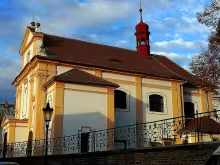
Kostel svatého Vojtěcha in Předměstí, Litoměřice, is a baroque sacred monument with historical roots dating back to 1363. Situated on the site of an old settlement called Zásada, this church underwent significant architectural transformation during the early 18th century under Octavio Broggio's guidance. Recognized as a cultural heritage site in the Czech Republic, it offers visitors insights into both medieval and baroque influences that have shaped its structure over centuries.
The origins of Kostel svatého Vojtěcha trace back to 1363 when it first appeared in historical records. The church experienced notable changes between 1703 and 1708, led by Octavio Broggio following a design initially conceived by his father Giulia in 1689. This baroque reconstruction reflects broader cultural and architectural trends of Bohemia under the Habsburg Monarchy, highlighting its historical significance within this European context.
Architecturally, Kostel svatého Vojtěcha features a longitudinal nave with a flat-ended presbytery and annexed sacristies. The exterior boasts a two-part façade adorned with pilasters, volute pediments, and segmental windows on the sides. Inside, visitors can admire barrel vaults complemented by lunettes, creating an elegant spatial experience. Noteworthy is the presence of pneumatic organs crafted by Heinrich Schiffner, adding to the church's artistic allure.
Throughout its history, Kostel svatého Vojtěcha has been a site for various key events and curiosities. It houses an image of Saint Vojtěch, restored in 1915 with Eberhard Eysert receiving a reward for his efforts. Adjacent to the church stands a bell tower from 1774, featuring a Renaissance tombstone dedicated to Bedřich Sezyma, complete with a later inscription. The surrounding area includes additional renaissance and empire-style tombstones, enriching its historical narrative.
Today, Kostel svatého Vojtěcha remains an accessible cultural landmark within the Ústecký kraj region. Its preservation as a protected monument ensures that visitors can explore both its architectural beauty and historical depth. The church's blend of medieval origins with baroque enhancements makes it a compelling destination for those interested in Czech history, architecture, and religious heritage.
Visiting Kostel svatého Vojtěcha offers an opportunity to connect with the past while appreciating artistic achievements that have stood the test of time. Its significance as both a historical monument and cultural treasure invites exploration and reflection, making it a worthwhile addition to any itinerary in the Czech Republic.
Historical milestones
- 1363
- The Church of Saint Wenceslas first appeared in historical records.
- 1689
- Original design of the church by Giulio Broggio.
- 1703
- Begins baroque reconstruction under the leadership of Ottavio Broggio.
- 1708
- Completion of the baroque reconstruction of the church.
- 1774
- Construction of the bell tower next to the church.
- 1915
- Restoration of the image of Saint Wenceslas in the church.
Architectural development
The church originally dates back to at least 1363, with its current baroque form realized from 1703 to 1708 by Octavio Broggio. The interior was updated in 1879, featuring barrel vaults and lunettes. Notable additions include pneumatic organs by Heinrich Schiffner.
Historical events
First mentioned in historical records in the year 1363.
Baroque reconstruction completed between 1703 and 1708.
Points of interest
– The church's location on the site of an old settlement called Zásada suggests it may have been built over remnants or structures from earlier settlements, adding layers to its historical significance. – Despite being a baroque monument, Kostel svatého Vojtěcha retains elements from its medieval origins, offering a unique blend of architectural styles that reflect the transitions in European art and architecture during its history.
Guide
Show guide text
Welcome to the historic site of Kostel svatého Vojtěcha in Předměstí, a remarkable testament to the region's rich cultural tapestry. As you stand here, imagine yourself stepping back into time, surrounded by whispers of history and echoes of baroque elegance. The church before you is not just an architectural marvel but also a bridge connecting past eras with the present.
Our journey begins in 1363 when Kostel svatého Vojtěcha first appeared in historical records. Nestled on what was once known as Zásada, this site has been a silent witness to centuries of change and continuity. The original design by Giulia Broggio in 1689 set the foundation for what would become an exquisite baroque transformation between 1703 and 1708 under his son Octavio Broggio's direction.
As you gaze upon the church, notice its longitudinal nave that gracefully leads your eyes to a flat-ended presbytery. The architectural finesse of this structure is evident in every detail, from the harmonious proportions to the subtle ornamentation typical of baroque design. While much has evolved over time, the church retains elements from its medieval roots, offering a layered historical narrative.
The year 1774 marked another significant chapter with the addition of the bell tower, enhancing both the skyline and the auditory landscape of Předměstí. Fast forward to 1915, when the church saw the restoration of an image of Saint Vojtěch, further enriching its spiritual heritage.
While much about the individuals who shaped this site remains shrouded in mystery, the legacy they left behind speaks volumes. The church's location on the ancient settlement grounds suggests it may have been built over remnants or structures from earlier times, adding intriguing layers to its historical significance.
As you continue exploring, let your imagination wander through time, pondering the countless stories and lives intertwined with this sacred monument. Each stone and archway holds secrets waiting to be discovered by those who seek them.
Thank you for joining us on this journey through history and architecture. We invite you to delve deeper into the mysteries of Kostel svatého Vojtěcha, where every corner offers a new perspective and every moment is an opportunity to connect with the past. Safe travels as you continue your exploration of Předměstí's enchanting heritage.
Businesses nearby
Do you run a restaurant, accommodation, shop, museum, rental, wellness or other visitor service near this monument? Show yourself directly to the people heading to it — this is how they will see you in the app and on the web:
Accommodation nearby
Trips and activities nearby
Guided tours, tickets and activities nearby from GetYourGuide
Search tours and activities →Themed route
Tematická výletní trasa: Kostel svatého Vojtěcha (Předměstí)
1. Kostel svatého Vojtěcha *Typ:* Náboženská památka *Proč stojí za návštěvu:* Tento barokní kostel je centrem duchovního života v obci Předměstí. Jeho historický interiér a architektura nabízejí pohled do minulosti, zatímco každodenní bohoslužby poskytují pocit současného duchovního života.
2. Nádvoří kostela *Typ:* Historický areál *Proč stojí za návštěvu:* Nádvoří poskytuje klidnou a reflektující prostor, kde můžete užít si krásy venkovního kostelního prostředí. Je to ideální místo pro odpočinek nebo návštěvu po prohlídce interiéru.
3. Věž kostela *Typ:* Historický výhledový bod *Proč stojí za návštěvu:* Vystoupit na věž nabízí jedinečnou perspektivu na obec Předměstí a okolní krajinu. Zde si můžete užít panoramatického pohledu, který zahrnuje i další historické a přírodní prvky regionu.
4. Přírodní park kolem kostela *Typ:* Místní park *Proč stojí za návštěvu:* Park nabízí mírný procházku mezi zelenou, kde můžete uvolnit mysl a pochutnat si na klidném prostředí. Je to ideální místo pro relaxaci nebo krátké pobyty v přírodě.
5. Místní tradiční obchod *Typ:* Kulturní zastávka *Proč stojí za návštěvu:* Navštívit místní tradiční obchod je skvělým způsobem, jak se dozvědět více o kulturním a každodenním životě v Předměstí. Zde najdete tradiční produkty a můžete si koupit suvenýr jako vzpomínku na svou návštěvu.
Tato trasa nabízí komplexní pohled na kulturní, historické a přírodní prvky obce Předměstí kolem Kostela svatého Vojtěcha.
Seasonal recommendations
Spring: Visiting the Church of Saint Vojtěch during springtime offers a unique experience as nature begins to awaken around this historical landmark. The surrounding landscape is adorned with blooming flowers and lush greenery, creating an enchanting atmosphere that complements the church's architectural beauty. As daylight hours lengthen, visitors can enjoy extended sightseeing opportunities in milder weather conditions. It's advisable to dress in layers, as temperatures may vary throughout the day. Although spring tends to attract fewer tourists compared to summer, it is still wise to arrive early to avoid any unexpected crowds and fully appreciate the serene environment.
Summer: The Church of Saint Vojtěch becomes a vibrant destination during the summer months when longer days provide ample time for exploration under the warm sun. This season is characterized by its lively atmosphere as visitors flock to enjoy outdoor activities in the region. To make the most of your visit, consider arriving early or later in the day to avoid peak tourist times and ensure a more comfortable experience. Comfortable walking shoes and light clothing are recommended due to higher temperatures. Additionally, staying hydrated is essential when exploring the area during this bustling period.
Autumn: Autumn brings a picturesque transformation to the Church of Saint Vojtěch, with vibrant foliage creating a stunning backdrop that enhances its historical charm. The cooler weather makes for pleasant strolls around the church and surrounding areas, while the softer light provides ideal conditions for photography enthusiasts. This season often sees fewer visitors compared to summer, offering a more tranquil experience. Dressing in warm layers is advisable as temperatures can drop significantly, especially later in the day. Visiting during weekdays or off-peak hours can further ensure a peaceful visit.
Winter: A winter visit to the Church of Saint Vojtěch offers a magical and serene atmosphere, with snow-covered surroundings and festive decorations adding to its historical allure. The shorter daylight hours mean that sightseeing is best done in the morning when lighting conditions are optimal. It's essential to dress warmly in layers, including hats, gloves, and insulated footwear, as temperatures can be quite low. Due to potential weather-related closures or reduced opening hours, it's wise to check ahead for any changes. Despite fewer visitors during this time, arriving early ensures you have enough time to explore the church without feeling rushed.
Visualizations and artistic views

Vizualizace jsou generovány umělou inteligencí a slouží jako inspirace.

Tips from visitors
No tips yet. Be the first!
Log in and add your tip.




Reviews and comments