





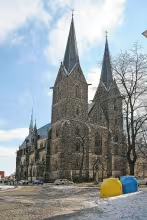
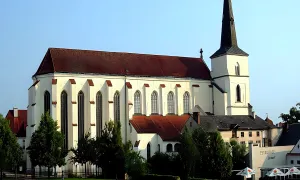
The Church of Saint Lawrence in Vysoké Mýto-Město is an architectural highlight in the Czech Republic's Pardubický kraj. This late Gothic church, built from cut stone with two towers on its façade, was founded at the end of the 13th century. It holds cultural monument status due to its historical and architectural significance. Between 1875 and 1904, it underwent regotization, introducing neo-Gothic elements that replaced earlier baroque vaults.
The church's origins date back to late Gothic Bohemia, a period of cultural growth within the Holy Roman Empire despite political challenges. Its main structure was completed around 1375 after being initially built at the end of the 13th century. It faced several rebuilds following fires in 1461 and 1774. The regotization from 1875 to 1904, led by architects František Schmoranz, Josef Mocker, J. Podhájský, and A. Živný, introduced new Gothic elements that replaced baroque vaults with neo-Gothic ones.
Architecturally, the church is a three-nave structure with a long chancel supported by external buttresses. On its southern side, a sacristy adjoins, consisting of three cross-vaulted bays. The façade features two towers and an open porch framed by a triangular gable between them. Inside, the nave is divided into three vaulted sections: the main and southern naves have cross vaults, while the northern nave has a star vault. A unique fresco decoration by secessionist painter Karel Vítězslav Mašek covers all walls and ceilings. Commissioned by Hermenegild Jireček and his family, they are depicted on the walls in an unconventional manner.
Throughout its history, the church experienced various ownerships and administrative changes during reconstruction and regotization periods. The main altar features a painting by Petr Brandl from 1728, acquired after a fire in 1774. This piece originally came from the Sedlec Monastery near Kutná Hora, dissolved by an imperial decree in 1783.
Today, the Church of Saint Lawrence is open to visitors and remains a site of historical and architectural interest. Its rich history and unique artistic elements, like the baptismal font crafted by master Ondřej Ptáček in 1499, make it a worthwhile destination for those interested in Gothic architecture and Bohemian cultural heritage. Visitors are invited to explore this remarkable monument, which stands as a testament to the region's historical resilience and artistic innovation.
Historical milestones
- 1461
- Rebuilding of the main nave after a fire.
- 1774
- Purchase of the main altar featuring Brandl's painting following a large fire.
- 1875
- Beginning of regotization under architect František Schmoranz.
- 1892
- Regotization continued under Josef Mocker.
Architectural development
Initially constructed at the end of the 13th century, the church's main structure was completed around 1375. It experienced several rebuilds after fires in 1461 and 1774. The regotization from 1875 to 1904 introduced new Gothic elements, replacing baroque vaults with neo-Gothic ones.
Historical events
The main nave was rebuilt after a fire in 1461.
A significant regotization occurred between 1875 and 1904.
Points of interest
- The Church of Saint Lawrence underwent a significant transformation during its regotization period from 1875 to 1904, when it embraced neo-Gothic elements that replaced earlier baroque vaults, reflecting the architectural trends and tastes of the late 19th century.
- A unique fresco decoration by secessionist painter Karel Vítězslav Mašek adorns all walls and ceilings inside the church. These frescoes were commissioned by Hermenegild Jireček and his family, who are depicted in an unconventional manner on the walls, adding a personal touch to the historical monument.
Guide
Show guide text
Welcome to the Church of Saint Lawrence in Vysoké Mýto-Město, a remarkable testament to architectural evolution and historical resilience. As you stand before this majestic structure, take a moment to absorb its grandeur—a three-nave late Gothic edifice crafted from cut stone, commanding attention with its two towers that rise gracefully at the façade.
The origins of this church trace back to the end of the 13th century, marking it as an enduring symbol through centuries of change. Imagine the bustling medieval town that surrounded its early construction, a period when faith and community were interwoven into every stone laid. Over time, this sacred place witnessed significant transformations, most notably in response to adversity.
In 1461, a devastating fire necessitated the rebuilding of the main nave—a testament to the resilience and dedication of those who cherished this church. Fast forward to 1774, when another large fire led to the acquisition of a new main altar adorned with Brandl's painting, adding layers of artistic heritage to its spiritual offerings.
The most transformative period for the Church of Saint Lawrence came between 1875 and 1904 during its regotization—a revival that embraced neo-Gothic elements. This era saw architects František Schmoranz and Josef Mocker breathe new life into the structure, replacing earlier baroque vaults with designs reflective of late 19th-century tastes. Their vision not only restored but reimagined this sacred space, weaving together past and present in its stone tapestry.
As you explore further, notice how the church's architecture speaks volumes through its details—the intricate stonework, the harmonious proportions of its naves, and the way light dances across surfaces, inviting contemplation. Each element is a chapter in its storied history, from the original Gothic foundations to the neo-Gothic flourishes that adorn it today.
While specific historical figures connected directly to this church remain largely unknown, the collective efforts of architects like J. Podhájský and A. Živný have left an indelible mark on its character and legacy. Their contributions underscore a broader narrative of cultural preservation and architectural innovation that defines much of Czech heritage.
Among the many wonders here is a unique fresco decoration, adding a layer of mystery and intrigue to your visit. These artworks whisper stories from centuries past, inviting you to ponder the lives and beliefs of those who once gathered within these walls.
As we conclude our journey through time and stone at the Church of Saint Lawrence, I invite you to linger in its presence a while longer. Let yourself be enveloped by its history, architecture, and the quiet majesty it exudes. Whether you're drawn to explore further or simply wish to reflect on this encounter with history, know that you've touched upon a place where time stands still yet ever evolves.
Thank you for allowing me to guide you through this remarkable chapter of Vysoké Mýto-Město's story. May your visit inspire curiosity and appreciation for the layers of history that shape our world. Farewell, until next time, when another adventure awaits.
Tips for visitors
The best time to visit the Church of Saint Lawrence in Vysoké Město is during late spring or early autumn when the weather is pleasant, allowing for a comfortable exploration of its architectural details. These seasons also offer softer natural light, enhancing your experience as you admire the intricate Gothic features and stained glass windows. Additionally, visiting outside of peak tourist season can provide a more serene atmosphere, enabling you to appreciate the church's historical ambiance without large crowds.
Parking is available in Vysoké Město, with several public parking areas that are conveniently located near the town center where the church is situated. For those preferring public transport, regional buses connect Vysoké Město with nearby towns and cities, making it accessible for visitors who prefer not to drive. It's advisable to check local transportation websites or apps for the most current schedules and routes.
When visiting the Church of Saint Lawrence, consider bringing comfortable walking shoes as you may wish to explore the surrounding town in addition to the church itself. A camera is recommended to capture the stunning architecture and details of the church, particularly during golden hour when the light beautifully illuminates its façade. Additionally, carrying a small umbrella or raincoat can be useful if visiting during unpredictable spring or autumn weather.
For photography enthusiasts, the best spots for capturing the Church of Saint Lawrence are from the front where both towers provide an impressive backdrop, and from the side angles that highlight the church's three-nave structure. Early morning light is ideal for photographing the façade, while late afternoon offers warm lighting on the interior details. Be mindful to respect any photography restrictions inside the church.
Nearby attractions within a 30-minute drive include the historical town of Litomyšl, known for its Renaissance castle and vibrant cultural events. Another option is the scenic landscapes around Vysoké Město, perfect for short hikes or leisurely walks in nature. These nearby sites offer additional opportunities to explore the rich history and natural beauty of the Pardubický region.
For families with children, visiting the Church of Saint Lawrence can be an educational experience. Consider bringing a guidebook or downloading an audio tour app that provides historical insights tailored for younger audiences. The town center around the church often has cafes and small shops where families can relax and enjoy local treats after exploring the site.
Businesses nearby
Do you run a restaurant, accommodation, shop, museum, rental, wellness or other visitor service near this monument? Show yourself directly to the people heading to it — this is how they will see you in the app and on the web:
Accommodation nearby
Themed route
Tematická výletní trasa: Kostel svatého Vavřince (Vysoké Mýto-Město)
1. Kostel svatého Vavřince - Typ: Historický kostel - Proč stojí za návštěvu: Kostel svatého Vavřince je nejstarším sakrálním objektem v obci a představuje architektonickou perlu gotiky. Jeho historie sahá do 13. století, což jej činí klíčovým místem pro pochopení středověkého duchovního života v oblasti.
2. Náměstí Republiky - Typ: Historické náměstí - Proč stojí za návštěvu: Náměstí Republiky je srdcem Vysokého Mýta a nabízí krásnou přehlednost historických budov, včetně radnice. Je to ideální místo pro pochopení urbanistického rozvoje města od středověku do současnosti.
3. Radnice - Typ: Historická radnice - Proč stojí za návštěvu: Tato barokní budova, postavená v 18. století, je ikonou místní správy a historie. Její elegantní architektura a bohaté historické pozadí ji činí fascinujícím cílem pro návštěvníky zájemce o městský život v minulosti.
4. Kostel svatého Jiljí - Typ: Historický kostel - Proč stojí za návštěvu: Kostel svatého Jiljí, postavený v 15. století, je dalším příkladem gotické architektury v obci. Jeho bohatá historie a umělecké prvky ho činí důležitým místem pro pochopení náboženských tradic v regionu.
5. Památník Vítězství - Typ: Historický památník - Proč stojí za návštěvu: Tento památník, postavený k oslavě vítězství nad Napoleonem, je symbolem místní hrdosti a odhodlání. Jeho umístění na Náměstí Republiky ho činí snadno přístupným pro návštěvníky chtících se dozvědět více o historických událostech, které formovaly region.
Tato trasa nabízí komplexní pohled na historii a kulturu Vysokého Mýta prostřednictvím jeho nejvýraznějších památek.
Seasonal recommendations
Jaro: Vysoké Mýto-Město nabízí v jarním období jedinečnou kombinaci nově oživlé přírody a klidné atmosféry kolem Kostela svatého Vavřince. Zelená listová kůra stromů a kvetoucí keře vytvářejí živý pozadí, které zdobí historický kostel. Tento čas roku je ideální pro návštěvníky hledající mírné počasí bez extrémního tepla nebo chladu. Navštěvování v raných jarních měsících, jako jsou duben a květen, je doporučeno pro minimalizaci davů, protože hlavní turistické sezóny ještě neskončily. Při plánování své návštěvy si pamatujte na oblečení vhodné pro mírný počasí s možností přidat vrstvu, protože teploty se mohou rychle měnit.
Léto: Léto v Vysokém Mýtě-Městě nabízí dlouhé dny a slunečné počasí, což poskytuje ideální podmínky pro návštěvu Kostela svatého Vavřince. Slunce osvětluje kostelový interiér v živých barvách a zvyšuje jeho historickou krásu, což je obzvláště působivé během slunečných odpoledních hodin. Nicméně, hlavní letní sezóna přitahuje větší davu návštěvníků, takže doporučuje se navštívit kostel dříve na den nebo později večer, aby se vyhnuli vrcholovým časům. Nosit lehké a světlé oblečení je klíčem k pohodlí během teplých letních dnů, spolu s dostatečnou vodou a ochranou před sluncem.
Podzim: Podzim nabízí Vysoké Mýto-Město v nádherném zlatém a rudém oděvu, kdy listy stromů začínají padat. Tato sezóna přináší klidnou atmosféru kolem Kostela svatého Vavřince, což poskytuje ideální okolnosti pro relaxovanou návštěvu bez obavy z davu. Slunečné podzimní dny jsou perfektní pro chodbu po městě a užívání se rozlohy kostela, zatímco mírné teploty umožňují pohodlné procházky. Navštěvovatelé by měli být připraveni na chladnější večery s vhodným oblečením, které zahrnuje vrstvy a možná i deštník v případě náhlých srážek.
Zima: V zimních měsících nabízí Kostel svatého Vavřince v Vysokém Mýtě-Městě magickou atmosféru, kdy se historické střešní schody a fasáda osvětleny večerním světlem. Chladný vzduch může způsobit kratší otevírací dobu památky, ale to přidává k úzkostlivému pocitu návštěvy v tichém a klidném prostředí. Tento čas roku je ideální pro ty, kdo hledají odpočinek od letního davu, s možností užívat si kostela bez mnoha dalších návštěvníků. Teplé oblečení a ochranné boty jsou nezbytné pro pohodlí během chladných dnů, zatímco krátké dny vyžadují plánování návštěvy tak, aby bylo možné využít osvětlený interiér kostela.
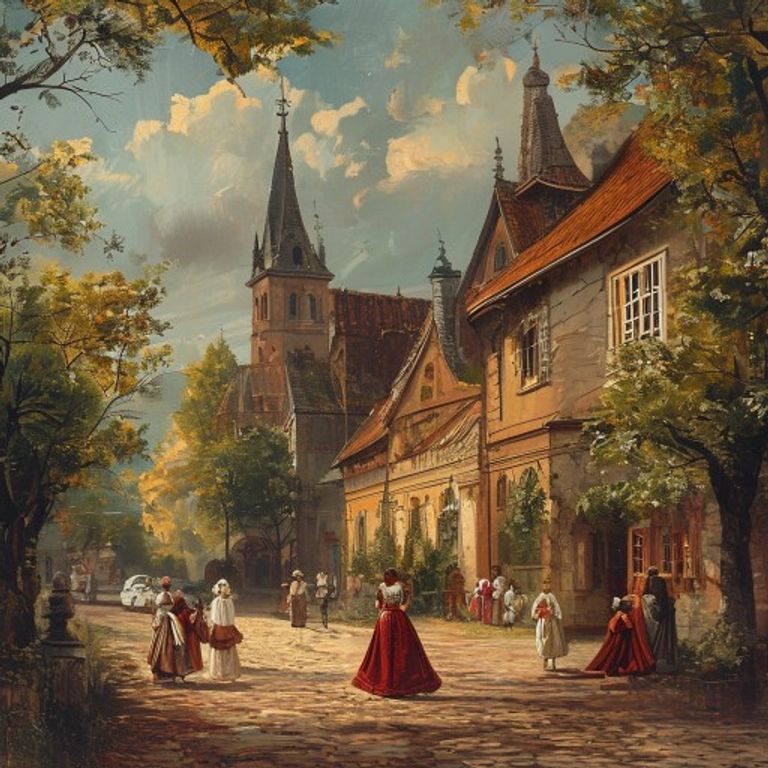
Visualizations and artistic views

Vizualizace jsou generovány umělou inteligencí a slouží jako inspirace.

Tips from visitors
No tips yet. Be the first!
Log in and add your tip.
Location on the map



Příběhy a pověsti
Legendy, pověsti a příběhy spjaté s touto památkou
Reviews and comments