





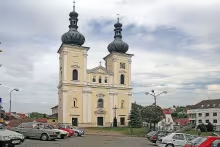
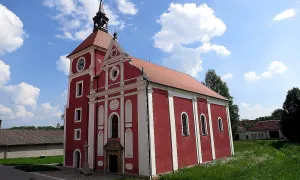
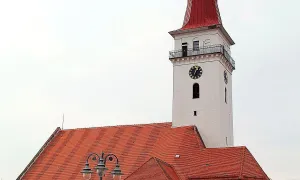
The Church of Saint Lawrence in Bystřice nad Pernštejnem is a Roman Catholic church with significant historical and architectural value. Located within the Vysočina Region, this church reflects Gothic and Baroque influences, showcasing its rich history from the early 13th century onwards. It serves as the parish church for the local Roman Catholic community and is recognized as a protected cultural monument of the Czech Republic.
The origins of the Church of Saint Lawrence trace back to the early 13th century during a period of territorial expansion under the Přemyslid dynasty in Bohemia. The initial structure featured a Gothic core from around the 14th century, indicative of the architectural style prevalent at that time. Between 1750-1753, it was significantly rebuilt into its current Baroque form, likely under the guidance of Laurenz Haupt z Olešnice. During this renovation, surrounding walls were raised and a two-tower façade constructed, marking a dramatic transformation in its architectural identity.
Architecturally, the Church of Saint Lawrence is characterized by its longitudinal three-nave basilica design with a five-sided Gothic chancel. The Baroque renovations introduced elements such as recessed paneling on the facades of both the chancel and main nave. Notably, the western façade features segmental arch windows and a grand entrance flanked by pilasters with cornice capitals. Inside, the church boasts Rococo-style furnishings from its 18th-century renovation, including altars and sculptures crafted by František Josef Hamb. The main altar is particularly noteworthy for its two-part design featuring a stone base and wooden tabernacle.
Throughout its history, the Church of Saint Lawrence has experienced key events that have shaped its current form. In 1841, a major fire destroyed the roofs and melted all ancient bells; however, new ones were cast in the same year. The church's interior was completed by 1770 under the care of parish priest František Dominik Pomesian, who oversaw the installation of four side altars dedicated to Saint Tekla, Saint Barbara, Saint Wenceslas, and the Virgin Mary, along with an organ and pulpit.
Today, the Church of Saint Lawrence remains a significant cultural and religious site. Its blend of Gothic and Baroque elements offers visitors a glimpse into architectural evolution over centuries. The church is not only a place of worship but also a historical monument that reflects artistic and cultural shifts in Bohemia from medieval times to the Baroque period. Visitors are invited to explore this remarkable structure, appreciating its rich history and enduring legacy as a cherished landmark in Bystřice nad Pernštejnem.
Historical milestones
- c.
Architectural development
The church's architectural development began with its Gothic core in the 14th century. It was extensively renovated in Baroque style between 1750-1753, raising surrounding walls and adding a two-tower façade. The interior features Rococo elements from this period, including altars and sculptures by František Josef Hamb.
Historical events
The church was significantly rebuilt in Baroque style between 1750-1753, likely under the project of Laurenz Haupt z Olešnice.
In 1841, a major fire destroyed the roofs and melted all ancient bells; new ones were cast that same year.
Points of interest
- The Church of Saint Lawrence is named after Saint Vavřinec, a less commonly highlighted fact given its official name in Czech records; this reflects the church's historical connection to local traditions and saints.
- During the Baroque renovations led by Laurenz Haupt z Olešnice, an intriguing legend suggests that hidden tunnels were constructed beneath the church for secret gatherings during times of religious persecution, though no physical evidence has been found to confirm this tale.
Guide
Show guide text
Welcome to the Church of Saint Lawrence in Bystřice nad Pernštejnem, a remarkable testament to both history and architectural evolution. As you stand here, take a moment to soak in the grandeur of this Roman Catholic church. Notice its robust structure nestled within the serene landscape of Kraj Vysočina. The Church of Saint Lawrence is not just a building; it's a narrative woven through centuries.
The origins of this sacred site trace back to the early 13th century, during the expansion era under the Přemyslids. It was then that the foundation for what would become an emblematic edifice was laid. By the 14th century, the church had developed its Gothic core, a period marked by soaring arches and pointed spires, though these elements are more subtly integrated into the current structure.
As you gaze upon the façade, observe how it reflects the transformative Baroque renovations led between 1750 and 1753. The architect Laurenz Haupt z Olešnice masterfully elevated the surrounding walls and introduced a striking two-tower façade that now defines the church's silhouette against the skyline. This period of transformation imbued the structure with its current grandeur, blending Gothic roots with Baroque elegance.
The interior, completed in 1770 under the guidance of farář František Dominik Pomesian, holds stories within its walls. The intricate details and careful craftsmanship invite you to explore further, imagining the hands that shaped this space into a place of worship and community.
An intriguing aspect of this church is its dedication. While known as the Church of Saint Lawrence, it honors Saint Vavřinec, reflecting local traditions and saints often overlooked in broader records. This subtle nod to history enriches your understanding of the region's cultural tapestry.
As you continue to explore, let yourself be drawn into the layers of time encapsulated here—from its Gothic beginnings to Baroque refinements. Each element tells a story of change, resilience, and devotion.
We invite you to delve deeper into this historic gem, discovering more about its past and the people who shaped it. Thank you for joining us on this journey through history at Bystřice nad Pernštejnem. May your visit inspire curiosity and appreciation for the rich narratives that historical sites like these carry with them.
Tips for visitors
The best time to visit the Church of Saint Lawrence in Bystřice nad Pernštejnem is during late spring or early autumn, when the weather is pleasant for exploring both the church and its surrounding landscapes. These seasons offer comfortable temperatures and fewer crowds, allowing you to appreciate the architectural details and serene environment more fully. Additionally, visiting during these times can provide opportunities to witness local festivals or events that might be held in the region.
Parking and transportation options are convenient for visitors coming by car, as there is parking available near the church. For those preferring public transport, it's advisable to check current bus routes online before your visit. The area is accessible both by road and through regional transit services, making it easy to reach from nearby towns.
When planning your visit, consider bringing a camera or smartphone for photography, comfortable walking shoes for exploring the site and its surroundings, and perhaps a picnic lunch if you plan to spend several hours in the area. Given the historical significance of the church, visitors might also find it enriching to bring along a guidebook on Gothic architecture or local history.
Photography enthusiasts will find that the best light for capturing the Church of Saint Lawrence is during the golden hour—shortly after sunrise or before sunset. The soft lighting accentuates the Gothic features and textures of the church's facade. Additionally, exploring the surrounding landscape can provide unique backdrops for photos, especially with the natural beauty of the Svratecká hornatina region.
For families with children, a visit to the Church of Saint Lawrence offers an educational experience in history and architecture. Nearby within a 30-minute drive are other historical sites that could complement your visit, providing a broader context of the area's heritage. Exploring these sites can make for a fulfilling day trip, allowing children to engage with history through stories and exploration.
Businesses nearby
Do you run a restaurant, accommodation, shop, museum, rental, wellness or other visitor service near this monument? Show yourself directly to the people heading to it — this is how they will see you in the app and on the web:
Nearby
Located in Bystřice nad Pernštejnem, the church is surrounded by a landscape typical of the Svratecká hornatina region. Nearby features include other historical sites and natural landscapes within a 5 km radius.
Accommodation nearby
Themed route
Thematic Walking Tour: Bystřice nad Pernštejnem
1. Church of Saint Lawrence (Kostel svatého Vavřince) - *Type:* Historical Church - *Why Visit:* Begin your journey at the heart of Bystřice nad Pernštejnem with this stunning example of Gothic architecture. The church is renowned for its intricate design and historical significance, offering a glimpse into the region's rich past. Explore the interior to appreciate its beautiful frescoes and altarpieces.
2. Svratecká Hornatina Landscape - *Type:* Natural Area - *Why Visit:* Just a short walk from the church, immerse yourself in the picturesque landscape of the Svratecká hornatina region. This area is characterized by rolling hills and lush greenery, providing a serene backdrop for reflection or photography. The natural beauty here complements the historical charm of Bystřice nad Pernštejnem.
3. Historical Sites Nearby - *Type:* Historical Landmarks - *Why Visit:* Within a 5 km radius from the church, discover other historical sites that echo the cultural heritage of the area. These landmarks offer insights into the architectural and societal developments over centuries. Each site tells its own story, enriching your understanding of Bystřice nad Pernštejnem's history.
This tour offers a blend of architectural marvels and natural beauty, perfect for those interested in exploring both cultural heritage and scenic landscapes.
```Seasonal recommendations
Spring: Visiting the Church of St. Lawrence during spring offers a unique experience as nature awakens around Bystřice nad Pernštejnem, with vibrant wildflowers and budding trees creating a picturesque backdrop for the historic site. The soft morning light enhances the intricate details of the church's architecture, providing an ideal atmosphere for photography enthusiasts. As the weather can be unpredictable during this season, it is advisable to wear layers that can be adjusted as temperatures fluctuate throughout the day. With fewer tourists compared to summer months, spring is a great time to explore at your own pace and enjoy the tranquility of the area.
Summer: The Church of St. Lawrence shines in its full glory under the bright summer sun, with lush greenery surrounding Bystřice nad Pernštejnem adding to the site's charm. This season attracts more visitors due to favorable weather conditions, so arriving early is recommended to avoid crowds and fully appreciate the church’s serene environment. The long daylight hours offer ample time for exploration, making it perfect for a leisurely visit. Comfortable walking shoes and light clothing are essential to stay cool during your visit in this peak tourist season.
Autumn: Autumn transforms Bystřice nad Pernštejnem into a canvas of warm hues, with the Church of St. Lawrence set against a backdrop of golden leaves and crisp air. The softer lighting conditions create a cozy atmosphere ideal for photography or simply enjoying the peaceful ambiance. As temperatures begin to drop, it's wise to dress in layers and bring a light jacket to stay comfortable during your visit. While visitor numbers start to decrease towards the end of the season, the church remains a popular spot for those seeking to experience its beauty amidst the fall colors.
Winter: The Church of St. Lawrence takes on a mystical quality during winter months when snow blankets Bystřice nad Pernštejnem, creating a serene and almost ethereal setting. Shorter days mean that visiting early in the day is advisable to make the most of natural light for exploring the church's interior and exterior features. The colder weather necessitates warm clothing, including hats, gloves, and insulated layers, to ensure comfort during your visit. While fewer tourists venture out in winter, those who do often find a quiet and reflective atmosphere perfect for appreciating the historical site’s timeless beauty.
Visualizations and artistic views

Vizualizace jsou generovány umělou inteligencí a slouží jako inspirace.


Tips from visitors
No tips yet. Be the first!
Log in and add your tip.
Reviews and comments