





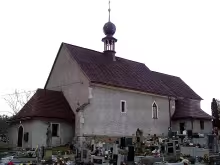
The Church of Saint Wenceslas in Václavice is a Roman Catholic filial church with significant historical and cultural importance. Originally built in the village of Dobenín, it has undergone numerous transformations over centuries. This monument exemplifies early Gothic architecture and serves as a site for notable historical events, including battles during the Hussite Wars and the Austro-Prussian War.
The origins of this church trace back to the 14th century, although references date to 1068 when a council was held in Dobenín. At this gathering, Jaromír was elected Bishop of Prague against King Vratislav II's wishes. The first mention of the Church of Saint Wenceslas itself appears in records from 1359, suggesting its existence predates that year. By 1424, it became a focal point during conflicts led by Jan Žižka, who defeated forces hiding near the church, resulting in the destruction and disappearance of Dobenín village.
Architecturally, the Church of Saint Wenceslas exhibits early Gothic characteristics with a simple design. It features a single nave and rectangular layout, complemented by a right-angled presbytery. Noteworthy elements include a pointed window from the 14th century and a preserved Romanesque sanctuary. The church underwent significant restoration in 1925 under the direction of Josef Bartoň z Dobenína to address damages incurred during historical conflicts.
Throughout its history, the church has been associated with several notable figures. In addition to Jaromír's election as Bishop of Prague, Jan Žižka played a crucial role by leading forces that impacted the surrounding area. The Straků z Nedabylic family also holds significance within the church, particularly through Petr Straka z Nedabylic, who died in 1646 and is buried there. A legend suggests his father was punished by the devil for constructing Rozkoš Pond.
The church's interior reflects a predominantly baroque style, featuring a family crypt belonging to the Straků z Nedabylic. Additionally, it houses a monument dedicated to Jan Jiří Straka z Nedabylic and an altarpiece from 1700, donated by Princess Anna Viktorie Piccolomini. The church also suffered damage during the Austro-Prussian War in 1866.
Today, the Church of Saint Wenceslas remains accessible for visitors who wish to explore its rich history and architectural beauty. Regular services are held on the second Sunday of each month at 3:00 PM. Its proximity to a likely Renaissance bell tower with two bells from the late 15th and 16th centuries adds to its historical allure. This monument not only offers insights into Bohemia's turbulent past but also stands as a cultural landmark worth visiting for those interested in history, architecture, and religious heritage.
Historical milestones
- 1068
- A council held in Dobenín where Jaromír was elected Bishop of Prague.
- 1424
- Battle led by Jan Žižka resulting in the destruction of Dobenín village.
- 1866
- The church suffered damage during the Austro-Prussian War.
Architectural development
The Church of Saint Waveslas has a simple early Gothic architectural style with a single nave and rectangular layout. It features a pointed window from the 14th century and a preserved Romanesque sanctuary. Significant restoration work was carried out in 1925 by Josef Bartoň z Dobenína, addressing damages from historical conflicts.
Historical events
In 1068, a council was held in Dobenín where Jaromír was elected Bishop of Prague against King Vratislav II's wishes.
On January 3, 1424, forces led by Jan Žižka defeated armies hiding near the church, leading to the destruction and disappearance of Dobenín village.
In 1866, during the Austro-Prussian War, the church was damaged in battles.
Points of interest
- The Church of Saint Wenceslas was originally built in the village of Dobenín, which no longer exists today due to its destruction during the Hussite Wars. This historical shift highlights how conflicts have reshaped local landscapes and communities over centuries.
- A legend associated with the church involves Petr Straka z Nedabylic, who is said to have been punished by the devil for constructing Rozkoš Pond. This tale adds a layer of mystique to the family's history and their connection to the church.
Guide
Show guide text
Welcome to the historic Church of Saint Wenceslas in Václavice. As you stand here, take a moment to absorb your surroundings: this Roman Catholic filial church, with its understated yet profound presence, is a testament to centuries of history and transformation. The air carries whispers of stories from an era long past.
Let's delve into the origins and historical context of this remarkable site. Originally built in the village of Dobenín, this church has witnessed significant events that have shaped not only its own destiny but also that of the region. Imagine it being here during a pivotal moment in 1068, when a council was convened in Dobenín to elect Jaromír as Bishop of Prague—a decision echoing through the corridors of time.
The architecture before you speaks volumes about its journey. The Church of Saint Wenceslas exhibits early Gothic elements, characterized by its simple yet elegant design. Notice the single nave and rectangular layout with a right-angled presbytery. These features reflect an era when architectural simplicity was cherished, offering a serene space for reflection and worship.
As we explore further, let's remember some key figures associated with this place. The church has been linked to historical personalities such as Václav II., Jan Městecký z Opočna, Petr z Červené Hory, Artuš z Černčic, and notably Jan Žižka. In 1424, during the tumultuous Hussite Wars, Jan Žižka led a battle that resulted in the destruction of Dobenín village, reshaping this landscape forever.
Now, let's touch upon an intriguing aspect: the legend associated with the church. This story adds a layer of mystique and invites us to ponder the lives intertwined with this sacred place. It’s these tales that breathe life into stones, connecting us to those who walked here before us.
As we conclude our journey through history at this site, I invite you to continue exploring Václavice's rich tapestry of stories and landscapes. Each corner holds a piece of the past waiting to be discovered. Thank you for joining me on this exploration, and may your curiosity lead you to many more hidden treasures.
Farewell, until our paths cross again in another chapter of history.
Businesses nearby
Do you run a restaurant, accommodation, shop, museum, rental, wellness or other visitor service near this monument? Show yourself directly to the people heading to it — this is how they will see you in the app and on the web:
Nearby
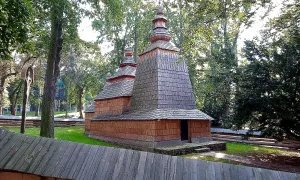
The church is located near a likely Renaissance bell tower with two bells from the late 15th and 16th centuries. The surrounding landscape includes historical sites related to battles during the Hussite Wars.
Accommodation nearby
Themed route
Thematic Walking Tour: The Legacy of the Hussite Wars
1. Kostel svatého Václava (Church of Saint Wenceslas) *Type:* Historical Church *Why Visit:* Begin your journey at this stunning example of religious architecture in Václavice, which stands as a testament to the region's rich history and cultural heritage. The church offers insights into local architectural styles and serves as a spiritual center for the community.
2. Renaissance Bell Tower *Type:* Historical Structure *Why Visit:* Located near the Church of Saint Wenceslas, this Renaissance bell tower features two bells dating back to the late 15th and 16th centuries. These bells are significant artifacts from a transformative period in European history, offering visitors a tangible connection to the past.
3. Hussite War Battle Sites *Type:* Historical Site *Why Visit:* Explore the surrounding landscape that holds historical significance related to battles during the Hussite Wars. This area provides an opportunity to reflect on the impact of these conflicts on the region and understand their lasting influence on Czech history.
This thematic tour offers a deep dive into the historical and cultural narratives woven through Václavice, focusing on its architectural marvels and pivotal moments from the Hussite Wars.
Seasonal recommendations
Spring: The spring season at Church of Saint Wenceslas in Václavice is marked by the vibrant bloom of wildflowers and lush greenery surrounding the historic site, creating a picturesque backdrop for visitors. As daylight extends, the church is bathed in softer, warmer light that enhances its architectural details. This time of year tends to be less crowded than summer, offering a more serene experience. Visitors are advised to wear comfortable layers as temperatures can vary, and it's wise to check opening times since they may adjust with changing weather patterns.
Summer: Summer at the Church of Saint Wenceslas in Václavice is characterized by long days filled with warm sunshine, ideal for exploring both the church and its picturesque surroundings. The lush landscape is at its peak, providing a stunning natural setting that complements the historic architecture. This season often sees higher visitor numbers, especially during weekends and holidays, so it's recommended to arrive early in the day to avoid crowds. Light clothing and sun protection are essential due to the warm weather.
Autumn: Autumn brings a magical transformation to the Church of Saint Waveslas in Václavice with its vibrant fall foliage painting the landscape in rich hues of red, orange, and yellow. The cooler temperatures make for comfortable exploration, while the soft, golden light adds an enchanting atmosphere to the historic site. This season is generally less crowded than summer, offering a peaceful visit. Visitors should dress warmly and consider bringing a jacket as evenings can be chilly.
Winter: Winter at the Church of Saint Wenceslas in Václavice offers a serene and tranquil experience with snow-covered surroundings that create a picturesque winter wonderland. The church is often illuminated against the snowy backdrop, providing a unique and enchanting atmosphere. This time of year typically sees fewer visitors, allowing for a more intimate exploration of the site. It's important to dress warmly in layers, wear waterproof boots, and check opening hours as they may be reduced during the colder months.
Visualizations and artistic views

Vizualizace jsou generovány umělou inteligencí a slouží jako inspirace.


Tips from visitors
No tips yet. Be the first!
Log in and add your tip.


Reviews and comments