





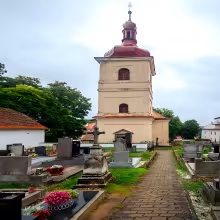
The Church of Saint Wenceslas in Třebívlice is a Roman Catholic parish church located in the village of Třebívlice, within the Litoměřice District. This early Baroque sacred building stands on an expansive square at its western side, nestled on a slope. It replaced an older Gothic structure from the 17th century and features significant architectural elements such as a bell tower built in 1695 by P. Bianco. Recognized for its cultural significance, it has been protected since 1964.
Constructed during a period when Bohemia was part of the Habsburg Monarchy, this era saw the flourishing of Baroque art and architecture across Europe. Influenced by the Counter-Reformation's emphasis on grandeur and emotional engagement, the church replaced an older Gothic structure in the 17th century. A bell tower was constructed in 1695 by P. Bianco, marking a significant development in its architectural history.
Architecturally, the Church of Saint Wenceslas is a single-nave, oriented, rectangular building with a recessed presbytery that features a high sacristy and oratory on its northern side. The western façade boasts a bell tower with a bulbous dome. Boasting Baroque elements, the church's design includes smooth lateral facades framed by pilaster-like lisenes at the corners of both the nave and presbytery. Its windows are segmentally arched, while the entrance to the vestibule is semi-circularly finished, featuring an oval recessed field and a triangular pediment. The bell tower itself has a square portal with elegantly curved frames and a triangular pediment, with round-arched windows in its first two floors. Inside, the presbytery features a barrel vault with lunettes and three conch-shaped apses that converge on consoles, while the nave is topped by a wooden gallery supported by pillars.
The church's interior is adorned with significant artistic elements. The main altar, crafted in the Rococo style from the mid-18th century, displays an image of Saint Wenceslas from the same period as its construction. Additionally, baroque side altars from the early 18th century feature life-sized sculptures of Saints Anne and Joseph. A rook vaulted presbytery with lunettes and a gallery supported by wooden pillars adds to the church's artistic richness.
In the vicinity stands a parish house built in 1778, characterized by its free-standing oblong single-story structure with chamfered corners and rectangular windows. Nearby, a Baroque oratory from the early 18th century features pilasters and a triangular pediment, housing a sculpture of Saint John Nepomucene dated 1713.
The church's cemetery holds historical significance as it is the final resting place of Ulrika von Levetzow, known for being Johann Wolfgang von Goethe’s last love and the last noble owner of the village. This adds an intriguing layer to its history, connecting it with notable figures from European literary history.
Today, the Church of Saint Wenceslas remains a significant cultural monument, open for visitors who wish to explore its rich architectural heritage and historical connections. Its preservation as a protected site underscores its importance in the region's cultural landscape. Visitors are invited to experience this remarkable example of early Baroque architecture and delve into the stories it holds within its walls.
Historical milestones
- 1695
- Výstavba zvonice P. Bianco.
- 1720
- Postavení kostela svatého Václava.
- 1730
- Výstavba hlavní oltáře v rokociovém stylu.
- 1778
- Postavení fara na blízkosti kostela.
- 1964
- Zachování jako kulturně významná památka.
Architectural development
Originally replacing a Gothic building, the Church of Saint Wenceslas underwent significant architectural development in the early 18th century. The entire church was redesigned and completed in 1720, featuring Baroque elements such as a high bell tower with a bulbous dome and ornate portals. The interior includes a rook vaulted presbytery with lunettes and a gallery supported by wooden pillars.
Historical events
The current church replaced an older Gothic structure in the 17th century.
A bell tower was constructed in 1695 by P. Bianco.
Points of interest
- The Church of Saint Wenceslas replaced an older Gothic structure in the 17th century, reflecting a shift from the austere Gothic style to the more ornate Baroque under the influence of the Counter-Reformation.
- P. Bianco, who built the bell tower in 1695, contributed significantly to the church's architectural evolution, marking it as a site of historical craftsmanship during the Baroque period.
Guide
Show guide text
Welcome to the Church of Saint Wenceslas in Třebívlice, a remarkable testament to architectural history nestled within this charming village in Ústecký kraj. As you stand here, take a moment to absorb the serene atmosphere and expansive square that stretches out before you on the western slope, setting the stage for what promises to be an enlightening journey through time.
This sacred site, with its early Baroque elegance, marks a significant chapter in Třebívlice's history. It replaced an older Gothic structure from the 17th century, signifying a pivotal shift in architectural style influenced by the Counter-Reformation. The transition from the austere lines of Gothic to the ornate and expressive forms of the Baroque is evident as you gaze upon its façade.
Let your eyes wander over the church's features, but pay special attention to the bell tower that stands proudly beside it. Constructed in 1695 by P. Bianco, this element adds a distinctive character to the site. The tower not only serves a practical purpose but also symbolizes the era's architectural ambition and creativity.
The year 1720 marked the completion of the Church of Saint Wenceslas itself, laying down roots that would deeply influence the spiritual life of Třebívlice for centuries to come. By 1730, the church boasted its main altar in the Rococo style, adding layers of artistic expression and devotion to this sacred space.
In 1778, a parish house was built nearby, further cementing the church's role as a community hub. This development underscored the growing importance of Třebívlice as a spiritual center in the region.
Fast forward to 1964, when the Church of Saint Wenceslas was recognized and preserved as a culturally significant monument, ensuring that its stories and beauty would be cherished for generations to come.
As you stand here, let your imagination wander through time. Consider the countless individuals who have walked these grounds, each leaving their mark on this sacred site's rich tapestry of history. Though many names remain unknown, their collective spirit is palpable in every stone and carving.
Before we part ways, take a moment to reflect on the church's journey from a Gothic structure to its current Baroque splendor. It stands as a testament to the enduring power of faith and artistry, inviting us all to explore and appreciate the depths of our shared heritage.
Thank you for joining me in this exploration of the Church of Saint Wenceslas. I encourage you to continue your journey through Třebívlice, discovering more hidden gems and stories that await. Farewell, until we meet again on another path of discovery.
Tips for visitors
The best time to visit the Church of Saint Wenceslas in Třebívlice is during late spring or early autumn when the weather is pleasant, allowing for a comfortable exploration of both the church and its surroundings. These seasons offer beautiful natural lighting that enhances the architectural details of the early Baroque building and nearby structures like the Baroque oratory. Additionally, visiting outside peak tourist season ensures a more tranquil experience.
Parking and transportation to Třebívlice are convenient for visitors traveling by car or public transport. There is parking available near the church, making it easy for those driving. For those preferring public transport, there are options that can take you close to the village; however, it's advisable to check current routes and schedules in advance using a transportation search tool.
When visiting the Church of Saint Wenceslas, consider bringing comfortable walking shoes as exploring the church grounds and nearby cemetery may involve some walking. A camera or smartphone is recommended for capturing the stunning Baroque architecture and sculptures, especially around midday when natural light beautifully illuminates these features. Don't forget to bring water and perhaps a hat if visiting during warmer months.
Photography enthusiasts will find several spots around the church and nearby square ideal for capturing its architectural beauty. The early morning or late afternoon provides soft, diffused light that accentuates the textures of the Baroque structures. The Baroque oratory on the square, with its sculptures of Saint John Nepomucene, offers a picturesque setting against the backdrop of Třebívlice's landscape.
In addition to the Church of Saint Wenceslas and the Baroque oratory, visitors should explore the cemetery and the parish house built in 1778. These sites offer additional insights into the area's history and architecture. For those willing to venture a bit further (within about 30 minutes), nearby attractions include other historical sites and natural landscapes that provide a broader context of the region’s cultural heritage.
Families with children will find Třebívlice an engaging destination, thanks to its rich history and serene environment. The church grounds and cemetery offer peaceful spaces for exploration and reflection. Engaging children in stories about Saint Wenceslas or the significance of Baroque architecture can make the visit educational. Additionally, the nearby parish house might have activities or information suitable for younger visitors.
Businesses nearby
Do you run a restaurant, accommodation, shop, museum, rental, wellness or other visitor service near this monument? Show yourself directly to the people heading to it — this is how they will see you in the app and on the web:
Nearby
Nearby, there is a cemetery and a parish house built in 1778. A Baroque oratory from the early 18th century stands on the square, featuring sculptures of Saint John Nepomucene dated 1713.
Accommodation nearby
Trips and activities nearby
Guided tours, tickets and activities nearby from GetYourGuide
Search tours and activities →Themed route
Thematic Walking Tour: Třebívlice
1. Kostel svatého Václava *Type:* Church *Why Visit:* The Church of Saint Wenceslas is the centerpiece of this tour, offering a glimpse into the rich architectural history and spiritual heritage of Třebívlice. Its serene atmosphere provides an ideal starting point for exploring the area's historical treasures.
2. Parish House *Type:* Historical Building *Why Visit:* Located just a short walk from the church, this parish house was built in 1778. It serves as a testament to the architectural style and community life of the late 18th century. Visitors can appreciate its historical significance and imagine the stories it holds.
3. Baroque Oratory *Type:* Religious Structure *Why Visit:* Standing on the square, this Baroque oratory from the early 18th century is adorned with sculptures of Saint John Nepomucene dated 1713. Its intricate design and spiritual artistry make it a must-see for those interested in religious history and Baroque architecture.
4. Cemetery *Type:* Cemetery *Why Visit:* Adjacent to the church, this cemetery offers a tranquil space to reflect on the past. It provides insight into local customs and traditions related to memorialization, making it an intriguing site for those interested in cultural history.
This tour is designed to provide a comprehensive exploration of Třebívlice's historical and architectural highlights, all within walking distance from each other.
Seasonal recommendations
Spring: Visiting the Church of Saint Wenceslas in Třebívlice during spring offers a refreshing experience as nature awakens around this historic site. The blooming flowers and budding trees create a picturesque backdrop, enhancing the church's architectural beauty with vibrant colors and fresh scents. This season is ideal for enjoying outdoor activities before the summer crowds arrive. It’s recommended to wear layers that can be adjusted to accommodate the variable temperatures typical of spring mornings and afternoons. Visiting in late morning or early afternoon allows you to fully appreciate both the natural surroundings and the church's serene atmosphere.
Summer: The summer season is perfect for exploring the Church of Saint Wenceslas, as the long days provide ample daylight to admire its historical features. This period often sees an increase in visitors due to favorable weather conditions, so it’s wise to arrive early to avoid larger crowds. Summer evenings can be particularly enchanting with the warm glow of sunlight filtering through stained glass windows, creating a magical atmosphere within the church. Comfortable footwear and light clothing are advisable for walking tours, while carrying water is essential to stay hydrated during your visit.
Autumn: Autumn transforms Třebívlice into a tapestry of rich colors, making it an ideal time to visit the Church of Saint Wenceslas. The changing leaves provide a stunning natural contrast against the historic architecture, and the cooler temperatures are perfect for leisurely exploration. As the days grow shorter, taking advantage of the softer autumn light can enhance your experience inside the church, where the play of shadows adds depth to its interior design. Layered clothing is recommended to adapt to fluctuating temperatures throughout the day.
Winter: Winter offers a unique and tranquil atmosphere at the Church of Saint Wenceslas in Třebívlice. The surrounding landscape, often blanketed with snow, creates a serene setting that enhances the church’s historic charm. While winter days are shorter, visiting during daylight hours allows for maximum exploration time. It's important to dress warmly, as temperatures can be quite chilly, and check ahead for any seasonal changes in opening hours due to weather conditions. The quietness of this season provides an intimate opportunity to appreciate the church's architectural details without the distraction of crowds.
Visualizations and artistic views

Vizualizace jsou generovány umělou inteligencí a slouží jako inspirace.


Tips from visitors
No tips yet. Be the first!
Log in and add your tip.




Reviews and comments