






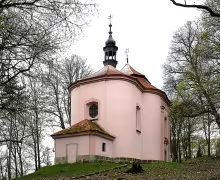
The Church of Saint Wenceslas in Úterý is a baroque church situated on a hill near the town's cemetery at the northwestern edge. Constructed in 1747, it holds primary cultural heritage value and forms part of the urban conservation zone declared in 1992. This monument stands as a testament to Kilián Ignác Dientzenhofer's architectural prowess, reflecting its significance within the region’s historical landscape.
The church's origins are rooted in Úterý's recovery from the devastations of the Thirty Years' War and subsequent fires that plagued the town during the late 17th century. Following a major fire in 1694 that destroyed much of Úterý, reconstruction efforts led to rebuilding key structures, including the Church of Saint Wenceslas. It replaced an earlier wooden chapel, likely built around 1660 or serving as a miners' chapel, which had deteriorated over time. This period marked a resurgence in architectural development across Bohemia, with Úterý benefiting from renewed stability and growth.
Architecturally, the church is characterized by its baroque style, featuring a central nave with vaulted ceilings adorned with frescoes depicting saints. The design reflects Kilián Ignác Dientzenhofer's influence, a renowned architect known for his contributions to baroque architecture in the region. The main entrance boasts a portal with a keystone and a stucco pediment displaying the emblem of the Teplá monastery, further emphasizing its historical and artistic significance.
Ownership is held by the Premonstratensian canons in Teplá, although it is often mistakenly referred to as a chapel in some official documents. Despite this misclassification, the church holds the legal status of a filial church, though regular services are not conducted there. The church underwent renovation in 1893 and has been an integral part of Úterý's cultural heritage.
Key events associated with the Church of Saint Wenceslas include its construction following fires' destruction and its role within the town’s evolving landscape. In 1894, a new cemetery was established west of the church, marking another significant development in the area. Additionally, in 1910, the Úterý Beautification Society founded a park near the church, enhancing its surroundings and providing a serene environment for visitors.
Today, the Church of Saint Wenceslas stands as a prominent historical monument within Úterý's urban conservation zone. Its architectural beauty and cultural significance make it a worthwhile visit for those interested in baroque architecture and regional history. The church is surrounded by a park established in the early 20th century, offering visitors a peaceful setting to appreciate this remarkable site. As you explore its rich heritage, the Church of Saint Wenceslas invites you to delve into the past while enjoying its serene presence amidst Úterý's landscape.
Historical milestones
- 1694
- Major fire in Úterý leading to reconstruction efforts.
- 1747
- Construction of the Church of Saint Wenceslas completed.
- 1892
- Renovation of the church took place.
- 1992
- Úterý declared an urban conservation zone, including the church.
- 1910
- Establishment of a park near the church by Úterý Beautification Society.
Architectural development
The current baroque structure replaced an earlier wooden chapel, likely built around 1660 or as a miners' chapel. The church underwent renovation in 1893 and features frescoes depicting saints within its vaulted ceilings. A park was established near the church by the Úterý Beautification Society in 1910.
Historical events
In 1694, Úterý suffered from a major fire that destroyed much of the town. The church was rebuilt after this event.
A new cemetery was established west of the Church of Saint Wenceslas in 1894.
Owners
The church is owned by the Premonstratensian canons in Teplá.
Points of interest
- The Church of Saint Wenceslas replaced an earlier wooden structure that likely served as a miners' chapel around 1660, highlighting the town's historical connection to mining activities.
- Despite its significant architectural and cultural value, the church is often mistakenly referred to as a chapel in official documents, which reflects common misconceptions about historical buildings.
- The keystone of the main entrance features the emblem of the Teplá monastery, linking the church to the broader religious and monastic history of the region.
Guide
Show guide text
Welcome to the Church of Saint Wenceslas in Úterý, a remarkable testament to Baroque architecture nestled on a hill near the town's cemetery at its northwestern edge. As you stand here, take a moment to absorb the serene beauty surrounding this historic site, which holds significant cultural heritage value within an urban conservation zone declared in 1992.
Let's delve into its origins and historical context. The church was completed in 1747, designed by the renowned architect Kilián Ignác Dientzenhofer. It replaced an earlier wooden chapel from around 1660, likely serving as a miners' chapel, reflecting Úterý's rich history tied to mining activities. This replacement came after a major fire in 1694 that necessitated reconstruction efforts, highlighting the resilience and determination of the community.
Architecturally, this church is characterized by its central nave with vaulted ceilings adorned with frescoes—a feature you can appreciate as you explore further. While the specific details of the frescoes are not documented here, their presence adds a layer of artistic richness to the structure, inviting you to imagine the stories they tell through their vibrant colors and intricate designs.
As we move forward, it's important to acknowledge that while many historical figures have left their mark on Úterý, those directly connected to this church remain largely unknown. This mystery only enhances its allure, encouraging us to appreciate the anonymous craftsmen and visionaries who contributed to its creation.
One intriguing aspect of this site is its frequent misidentification as a chapel rather than a church. Despite this common misconception, it stands proudly as a testament to the town's architectural heritage and cultural significance.
As you continue your visit, take note of the park established nearby in 1910 by the Úterý Beautification Society. This addition not only enhances the area's aesthetic appeal but also connects the past with the present, offering a peaceful space for reflection amidst historical splendor.
In conclusion, as we wrap up this audio guide, I invite you to continue exploring the Church of Saint Wenceslas and its surroundings at your own pace. Let the whispers of history inspire you as you uncover more about Úterý's rich past. Thank you for joining me on this journey through time. Safe travels!
Tips for visitors
The best time to visit the Church of Saint Wenceslas in Úterý is during late spring or early autumn. During these seasons, the weather is typically mild, making it pleasant for walking around the surrounding park and exploring the area. Additionally, visiting outside of peak tourist season can provide a more serene experience, allowing you to appreciate the church's architecture and historical significance without large crowds.
Parking near the Church of Saint Wenceslas may be limited due to its location on a hill overlooking Úterý. Visitors are encouraged to use public transportation or park in nearby areas where parking is available. The church can also be accessed by walking, which offers a scenic route through the town and surrounding park. For those driving, it's advisable to check local resources for any temporary changes in parking availability.
When planning your visit, consider bringing comfortable walking shoes as you'll likely explore both the church grounds and the nearby park. A camera or smartphone is recommended for capturing the picturesque views from the hilltop location. Additionally, carrying a light jacket might be useful, especially if visiting during cooler months, to ensure comfort while exploring the outdoor areas.
For photography enthusiasts, the best spots around the Church of Saint Wenceslas are at dawn or dusk when the lighting is soft and enhances the church's baroque architecture against the backdrop of Úterý. The hilltop location provides a unique vantage point for capturing panoramic views of the town and surrounding landscape. Be mindful of any photography restrictions inside the church itself.
Nearby, within 30 minutes, visitors can explore other historical buildings in Úterý, adding context to the area's rich cultural heritage. The adjacent cemetery offers an intriguing glimpse into local history and traditions. For families with children, the park established in the early 20th century surrounding the church provides a pleasant setting for outdoor activities, making it a great place for a family outing.
Businesses nearby
Do you run a restaurant, accommodation, shop, museum, rental, wellness or other visitor service near this monument? Show yourself directly to the people heading to it — this is how they will see you in the app and on the web:
Nearby
The church is situated on a hill overlooking Úterý, surrounded by a park established in the early 20th century. The area includes a cemetery and other historical buildings within the town.
Accommodation nearby
Themed route
Úterý Thematic Vélo Tour
1. Kostel svatého Václava (Church) Start your journey at the heart of Úterý, atop a hill that offers panoramic views of the town. The Church of St. Wenceslas is not only an architectural marvel but also steeped in history, reflecting centuries-old traditions and local culture. Its serene ambiance makes it an ideal starting point for exploring this quaint area.
2. Park (Park) A short walk from the church leads you to a charming park established in the early 20th century. This lush green space is perfect for a leisurely stroll, offering a peaceful retreat amidst nature. The park's well-maintained pathways and scenic views provide a tranquil setting to appreciate the beauty of Úterý.
3. Cemetery (Cemetery) Adjacent to the church and park lies the local cemetery, which holds historical significance with its age-old gravestones and memorials. This site offers insight into the town's past inhabitants and their stories, serving as a poignant reminder of the community’s heritage. A visit here is both reflective and educational.
4. Historical Buildings (Historical Buildings) As you explore further within Úterý, take time to admire other historical buildings that dot the town. These structures showcase traditional architectural styles and craftsmanship, offering glimpses into the daily lives of past residents. Walking through these areas provides a deeper understanding of the town's evolution over time.
5. Church Nádvoří (Church Courtyard) Conclude your tour at the church courtyard, where you can enjoy a moment of quiet reflection or simply relax and take in the surroundings. This area often hosts local events and gatherings, making it a vibrant part of community life. It's an ideal spot to reflect on the day’s journey through Úterý’s rich history and culture.
This thematic vélo tour offers a comprehensive exploration of Úterý, highlighting its historical and cultural landmarks while providing opportunities for relaxation and reflection.
Seasonal recommendations
Spring: The arrival of spring at the Church of St. Wenceslas in Úterý brings a refreshing atmosphere with blooming flowers and lush greenery surrounding the historic site. The soft, natural light enhances the intricate details of the church's architecture, making it an ideal time for photography enthusiasts. Visitors should take advantage of the moderate weather by wearing layers that can be adjusted as temperatures fluctuate throughout the day. While spring is generally less crowded than summer, arriving early in the morning allows you to enjoy a quieter experience before larger groups gather.
Summer: Summer at the Church of St. Wenceslas offers vibrant energy and longer daylight hours, perfect for exploring both the church's interior and its picturesque surroundings. The warm weather invites visitors to linger outside, soaking in the serene ambiance created by lush gardens and clear skies. However, this is also the peak tourist season, so it's advisable to visit early in the morning or later in the afternoon to avoid crowds. Comfortable walking shoes and light clothing are recommended to stay cool during your exploration.
Autumn: Autumn transforms the Church of St. Wenceslas into a breathtaking spectacle with its warm hues of reds, oranges, and yellows. The crisp air adds an enchanting quality to the atmosphere, inviting visitors to enjoy leisurely strolls through the surrounding foliage. As temperatures begin to drop, wearing layers is essential for comfort during your visit. This season offers a balance between summer crowds and winter quietness, making it an excellent time to appreciate the church's beauty without overwhelming numbers.
Winter: Winter at the Church of St. Wenceslas presents a serene and magical experience, with snow-covered landscapes creating a picturesque setting around the historic structure. The shorter days mean that visits are best planned for late morning or early afternoon when natural light is most abundant. Visitors should dress warmly in layers to combat the cold temperatures and possible snowfall. While winter can lead to reduced opening hours, it also offers a more tranquil environment, allowing for an intimate appreciation of the church's architecture and history without large crowds.
Visualizations and artistic views

Vizualizace jsou generovány umělou inteligencí a slouží jako inspirace.

Tips from visitors
No tips yet. Be the first!
Log in and add your tip.


Reviews and comments