





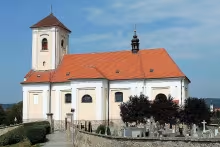
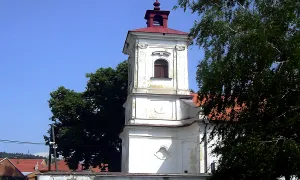
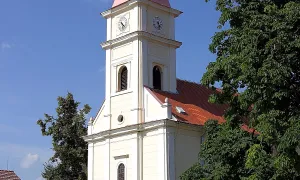
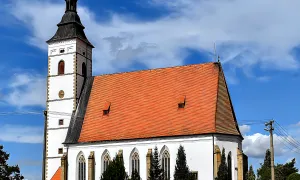
The Church of Saint Wenceslas in Rousínovec is a Roman Catholic parish church located within the town of Rousínov, Czech Republic. Constructed between 1718 and 1734 during the Baroque period, it stands as an architectural testament to this era's grandeur and detail. Designed by Italian architect Domenico Martinelli, the church reflects significant cultural influences from its time and is recognized as a cultural monument of the Czech Republic. Its historical significance is further underscored by its role in the religious life of the community.
Built between 1718 and 1734 under Domenico Martinelli's guidance, an Italian architect known for his Baroque contributions, the church emerged during a period when Bohemia was under Habsburg rule. This era saw cultural and architectural development influenced by European Baroque art, highlighting broader artistic movements that shaped its design and purpose.
Architecturally, the Church of Saint Wenceslas exemplifies Baroque style, characterized by grandeur and intricate detail. Martinelli's design reflects these elements, showcasing the period’s emphasis on dramatic expressions and elaborate ornamentation. The church stands as a testament to early 18th-century European architectural trends, particularly those prevalent in Bohemia under Habsburg influence.
Throughout its history, the Church of Saint Wenceslas has undergone administrative changes reflecting shifts within the local religious community. Initially serving as the parish church for Rousínovec, it assumed this role until 2006 when the Rousínovec parish was dissolved. Subsequently, in 2006, it became the parish church for the Rousínov u Vyškova parish, indicating its continued importance within the region's ecclesiastical framework.
The Church of Saint Wenceslas has witnessed key events that underscore its enduring significance. Its construction period from 1718 to 1734 marks a significant phase in architectural history, while its transition in 2006 highlights adaptability and continuity in serving the spiritual needs of the community. These changes reflect both historical developments and ongoing religious practices.
Today, the Church of Saint Wenceslas remains an accessible cultural monument, inviting visitors to explore its rich history and architectural beauty. As a recognized cultural site, it offers insights into Baroque architecture and the historical context of early 18th-century Bohemia. Its preservation as a cultural monument ensures that future generations can appreciate its significance.
The Church of Saint Wenceslas in Rousínovec is not only an architectural marvel but also a symbol of cultural heritage. It invites visitors to delve into its storied past and admire the craftsmanship of Domenico Martinelli, offering a glimpse into the Baroque period's artistic achievements. This church stands as a testament to historical continuity and cultural richness, making it a worthwhile destination for those interested in history and architecture.
Historical milestones
- 1718
- Beginning of the construction of St. Wenceslas Church.
- 1734
- Completion of the construction of St. Wenceslas Church.
- circa 1718-1734
- Construction as part of Baroque architecture under the direction of Domenico Martinelli.
- 2006
- Conversion into a parish church for Rousínov u Vyškova after the dissolution of the parish in Rousínovec.
Architectural development
Designed by Domenico Martinelli, the Church of Saint Wenceslas showcases Baroque architectural elements. Built in the early 18th century, it reflects the period's emphasis on grandeur and detail.
Historical events
The church was constructed between 1718 and 1734.
In 2006, it became the parish church for the Rousínov u Vyškova parish after the dissolution of the Rousínovec parish.
Points of interest
- The Church of Saint Wenceslas was built during a time when Bohemia was under Habsburg rule, which significantly influenced its Baroque architectural style by introducing European artistic trends to the region.
- Domenico Martinelli, the Italian architect behind the church's design, is less known for his work outside Italy, making this project one of his notable contributions to Czech architecture and a unique intersection of Italian and Bohemian styles.
Guide
Show guide text
Welcome to the Church of Saint Wenceslas in Rousínovec, a magnificent testament to Baroque architecture nestled within this historic town. As you stand here, take a moment to absorb the grandeur before you—a structure that has withstood the test of time and continues to captivate visitors from around the world.
Let's delve into its origins. Construction began in 1718 under the patronage of those who sought to enrich their community with a place of worship and reflection. The church was completed in 1734, marking an era when Bohemia found itself under Habsburg rule—a period that significantly influenced architectural styles across Europe. This influence is evident here, where Baroque elements harmonize with local traditions.
Now, let's focus on the architecture. Designed by the Italian architect Domenico Martinelli, this church embodies the stylistic nuances of its time. As you gaze upon it, notice how the design reflects European artistic trends that were introduced to the region during Habsburg dominion. The Baroque style is known for its dramatic use of space and detail, elements that Martinelli skillfully incorporated into his work.
While specific details about Domenico Martinelli are scarce, his contribution to this church's design has left a lasting legacy. His ability to blend Italian architectural principles with local sensibilities created a masterpiece that continues to inspire awe.
As we explore further, consider the transformation of this church in 2006 when it became a parish church for Rousínov u Vyškova after the original parish was dissolved. This change underscores its enduring significance within the community and highlights how places of worship evolve over time while continuing to serve as spiritual havens.
Now, here's something intriguing: during its construction period from 1718 to 1734, this church stood as a beacon of cultural exchange. It represents more than just architectural achievement; it is a symbol of the cross-cultural influences that shaped Bohemia in the Baroque era.
As we conclude our tour, I invite you to continue exploring and discovering all that Rousínovec has to offer. Whether it's wandering through its streets or simply reflecting on this church's storied past, there's always more to uncover. Thank you for joining me today, and may your journey be filled with wonder and inspiration.
Businesses nearby
Do you run a restaurant, accommodation, shop, museum, rental, wellness or other visitor service near this monument? Show yourself directly to the people heading to it — this is how they will see you in the app and on the web:
Nearby
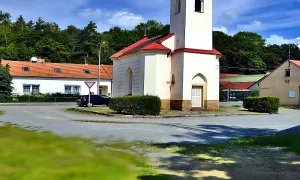
The church is situated in Rousínovec, a part of the town of Rousínov. The surrounding area includes typical Central European landscapes and other local historical sites.
Accommodation nearby
Trips and activities nearby
Guided tours, tickets and activities nearby from GetYourGuide
Search tours and activities →Themed route
Thematic Vlog Tour: Exploring Rousínovec and Its Historical Charm
Welcome to our thematic vlog tour of Rousínovec, a charming part of the town of Rousínov in the South Moravian Region. Our journey will take us through historical sites that highlight the rich cultural tapestry of this area.
1. Kostel svatého Václava (Rousínovec) - Church Begin your exploration at the heart of Rousínovec with the Kostel svatého Václava. This church is not only a stunning example of local architecture but also serves as a spiritual and cultural beacon for the community. Its serene atmosphere and historical significance make it an essential stop on any visit to Rousínovec.
2. Local Historical Sites - Surrounding Area After soaking in the tranquility of the church, take a leisurely walk through the surrounding area of Rousínovec. Here, you'll encounter typical Central European landscapes that provide a picturesque backdrop for your exploration. The local historical sites scattered around offer glimpses into the region's past, each telling its own story and contributing to the rich tapestry of history in this part of South Moravia.
3. Community Spaces - Rousínovec Conclude your tour by visiting some of the community spaces within Rousínovec itself. These areas are often overlooked but play a crucial role in daily life, serving as gathering spots for locals and visitors alike. They provide an opportunity to experience the local culture firsthand and perhaps even interact with residents who can share personal stories about their town.
This thematic vlog tour offers a blend of historical exploration and cultural immersion, perfect for anyone interested in discovering the unique charm of Rousínovec and its surroundings. Enjoy your journey through time and tradition!
Seasonal recommendations
Spring: Visiting the Church of Saint Wenceslas in Rousínovec during spring offers a unique experience as nature begins to awaken from its winter slumber. The surrounding landscape is adorned with blooming flowers and fresh greenery, creating a picturesque backdrop for the historic church. The soft morning light enhances the intricate details of the architecture, making it an ideal time for photography enthusiasts. Visitors should prepare for occasional showers by wearing comfortable layers and waterproof footwear. As spring can bring unpredictable weather, arriving early in the day allows you to enjoy the site before any potential rain or increased foot traffic.
Summer: Summer at the Church of Saint Wenceslas is characterized by long daylight hours and warm temperatures, making it perfect for exploring the church grounds at a leisurely pace. The lush greenery provides ample shade, offering respite from the sun during peak hours. This season sees higher visitor numbers, especially on weekends, so planning your visit earlier in the day can help avoid crowds. Dressing in light, breathable clothing and wearing sunscreen is advisable to stay comfortable while enjoying the vibrant atmosphere of summer.
Autumn: Autumn brings a stunning transformation to Rousínovec with its rich tapestry of reds, oranges, and yellows. The church's surroundings are particularly enchanting during this season, as the changing leaves create a warm and inviting ambiance. Cooler temperatures make for pleasant exploration without the need for heavy layers. As daylight hours shorten, it’s best to plan your visit in the morning or early afternoon to fully appreciate the autumnal beauty. This is also an ideal time for photography, capturing the serene and colorful landscape that complements the historic architecture.
Winter: The Church of Saint Wenceslas takes on a magical quality during winter, with snow often blanketing the area and casting a soft glow over the church's stone facade. The shorter days mean fewer visitors, allowing for a more intimate experience as you explore this historical site in relative solitude. It’s essential to dress warmly, including wearing hats, gloves, and insulated layers, to stay comfortable during your visit. Be mindful of potential closures or reduced hours due to weather conditions, and consider bringing along hot beverages to enjoy while soaking up the serene winter atmosphere.
Visualizations and artistic views

Vizualizace jsou generovány umělou inteligencí a slouží jako inspirace.


Tips from visitors
No tips yet. Be the first!
Log in and add your tip.
Reviews and comments