





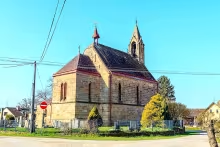
The Church of Saint John the Baptist in Svatojanský Újezd is a Roman Catholic filial church located in the village of Svatojanský Újezd, within Královéhradecký kraj. Originally built as a wooden structure in the 14th century during Charles IV's reign and Archbishop Arnošt of Pardubice's time, it was consecrated on September 12, 1352. Recognized as a cultural monument of the Czech Republic, its historical significance lies in its architectural evolution from a medieval wooden edifice to a neogothic brick structure.
The original church reflects Bohemia under Charles IV, known for his patronage of arts and architecture. The wooden church stood on this site until structural concerns necessitated replacement. By 1691, Berthold Vilém z Valdštejna reinforced the deteriorating structure with brick and stone. However, by 1883, safety issues led to its cessation of services and eventual demolition.
The present neogothic church was constructed between 1887 and 1888 using sandstone blocks from a Vojice quarry. This style reflects late 19th-century European trends, characterized by pointed arches and intricate detailing. The single-nave design features brick construction with family crests of significant patrons on the façade. Notably, the western gable houses a bell tower made of sandstone blocks, topped with a cross.
Ownership and patronage have been crucial in the church’s history. Initially under Bořek z Poličan, who held rights to both this church and its filial counterpart in Nová Ves, Berthold Vilém z Valdštejna later contributed to its structural reinforcement in 1691. In the late 19th century, Anna z Assenburgu supported the construction of the current building, with her family’s coat of arms displayed above the entrance.
Inside, the church houses an interior from the end of the 19th century, including a gravestone dating back to 1606 belonging to Jan Jiřík z Chodce. A plaque near the southern entrance lists World War I casualties, adding historical depth. Architectural elements include a wooden pulpit accessible via the sacristy and a flat wooden ceiling supported by robust beams.
Today, the Church of Saint John the Baptist stands as a testament to its rich history and architectural evolution. While services are held only occasionally, it remains an important cultural monument worth visiting for those interested in historical architecture and regional heritage. Its preservation allows visitors to appreciate both its medieval origins and neogothic transformation, offering a unique glimpse into the past within Svatojanský Újezd's serene setting.
Historical milestones
- 1352
- The original wooden church was consecrated.
- 1883
- Services ceased in the old church due to safety concerns.
Architectural development
The current neogothic church was constructed between 1887 and 1888 using sandstone blocks from a quarry in Vojice. The original wooden structure, dating back to the 14th century, was replaced due to its deteriorating condition. The new building features a single-nave design with brick construction and is adorned with family crests of significant patrons.
Historical events
The original wooden church was consecrated on September 12, 1352.
In 1883, the old church ceased to hold services due to safety concerns and was subsequently demolished.
Owners
Bořek z Poličan (14th century)
Berthold Vilém z Valdštejna (1691)
Anna z Assenburgu (19th century)
Points of interest
– The wooden church from the 14th century was consecrated on September 12, 1352, during a period when Bohemia was under the influential reign of Charles IV, known for his support of arts and architecture. This early dedication highlights the region's historical connection to significant cultural developments.
Guide
Show guide text
Welcome to the Church of Saint John the Baptist in Svatojanský Újezd. As you stand here, take a moment to soak in the serene atmosphere surrounding this Roman Catholic filial church nestled within the village of Svatojanský Újezd. The current neogothic brick structure, which stands before you today, was constructed between 1887 and 1888, replacing an earlier wooden sanctuary due to structural concerns.
Let's journey back in time to when this sacred site first came into being. In the 14th century, during the reign of Charles IV, a period marked by cultural flourishing under his patronage, the original wooden church was consecrated on September 12, 1352. This early dedication reflects Bohemia’s rich historical tapestry and its connection to significant cultural developments of that era.
As you explore the neogothic architecture, notice the intricate details that define this style—sharp lines, pointed arches, and a sense of verticality aiming towards the heavens. While specific architectural features are not documented in our sources, take a moment to appreciate the craftsmanship evident throughout the church's exterior and interior spaces.
This site is woven into the fabric of local history through notable figures such as Bořek z Poličan, Berthold Vilém z Valdštejna, Anna z Assenburgu, and Josef Jan Hais. Each played a role in shaping not only this church but also the broader historical narrative of the region.
An intriguing aspect of this church's history is its transformation from wood to brick—a testament to evolving architectural practices and the community’s dedication to preserving their place of worship. The original wooden church ceased services in 1883 due to safety concerns, leading to the construction of the enduring neogothic edifice you see today.
As we conclude our visit, I invite you to continue exploring Svatojanský Újezd and discover more about its rich heritage. Thank you for joining me on this journey through history and architecture. Safe travels as you uncover further stories waiting in this charming village!
Businesses nearby
Do you run a restaurant, accommodation, shop, museum, rental, wellness or other visitor service near this monument? Show yourself directly to the people heading to it — this is how they will see you in the app and on the web:
Accommodation nearby
Themed route
Tematická výletní trasa: Kostel svatého Jana Křtitele (Svatojanský Újezd)
1. Kostel svatého Jana Křtitele (Svatojanský Újezd) - Hlavní cíl - *Typ:* Náboženská památka - *Proč stojí za návštěvu:* Tento barokní kostel, postavený v první polovině 18. století, je architektonickou perli obce Svatojanský Újezd. Jeho bohaté historie a krásné interiér jsou fascinující pro milovníky dějin a umění.
2. Kaple svatého Jana Nepomuckého - *Typ:* Kaple - *Proč stojí za návštěvu:* Tato kaple, nacházející se nedaleko kostela, je věnována svatému Janu Nepomuckému. Je známá pro svou historickou a kulturní hodnotu, nabízí klidné místo k meditaci a pochopení místní náboženské tradice.
3. Nádvoří kostela - *Typ:* Nádvoří - *Proč stojí za návštěvu:* Nádvoří kostela je ideálním místem pro odpočinek a prohlídku. Zde si můžete užít klidného okamžiku, zatímco se díváte na krásnou architekturu kostela a jeho okolní zeleně.
4. Věž kostela - *Typ:* Věž - *Proč stojí za návštěvu:* Výlet na věž nabízí jedinečnou perspektivu na obec a okolní krajinu. Je to nejen technické dobrodružství, ale také příležitost prozkoumat historii a konstrukci této architektonické struktury.
Tato trasa nabízí kompaktní zážitek o místní kulturní a náboženském dědictví, zaměřený především na hlavní památku a její bezprostřední okolí.
Seasonal recommendations
Spring: Visiting the Church of St. John the Baptist in Svatojanský Újezd during spring offers a unique experience as nature awakens around this historic monument. The surrounding landscape is adorned with vibrant wildflowers and budding trees, creating an enchanting atmosphere that enhances the church's architectural beauty. As daylight extends, the soft morning light beautifully illuminates the intricate stonework of the church, making it an ideal time for photography enthusiasts. Visitors should dress in layers to accommodate the variable spring weather, which can shift from mild days to cooler evenings. Arriving early is recommended to avoid larger crowds that gather as the day progresses.
Summer: Summer brings a lively atmosphere to Svatojanský Újezd, with the Church of St. John the Baptist standing as a serene retreat amidst bustling tourist activity. The warm weather encourages outdoor exploration and longer visits, allowing guests to fully appreciate both the church's interior and its surrounding gardens. However, this is also peak season for visitors, so it’s wise to arrive early in the morning or later in the afternoon to avoid crowds. Comfortable walking shoes and light, breathable clothing are essential due to the heat, and carrying a hat and sunscreen can help protect against sun exposure.
Autumn: Autumn transforms Svatojanský Újezd into a picturesque setting with its rich tapestry of fall colors surrounding the Church of St. John the Baptist. The golden hues of deciduous trees create a stunning backdrop that complements the church's historic architecture, making it an ideal time for photography and leisurely walks. As temperatures cool, visitors should dress warmly in layers to enjoy their visit comfortably throughout the day. The air is less humid compared to summer, offering a pleasant climate for exploration without the large crowds typical of peak tourist seasons.
Winter: In winter, the Church of St. John the Baptist offers a tranquil and atmospheric experience as snow blankets Svatojanský Újezd in a serene white cover. The church's stone facade takes on a mystical quality under soft winter lighting, while icicles and frost add to its enchanting allure. Visitors should dress warmly with coats, hats, gloves, and boots due to the cold weather. It’s important to check for any changes in opening hours, as some sites may have reduced operating times during this season. Arriving early can help avoid potential closures or shorter visiting windows, ensuring a peaceful exploration of this historic site.
Visualizations and artistic views

Vizualizace jsou generovány umělou inteligencí a slouží jako inspirace.


Tips from visitors
No tips yet. Be the first!
Log in and add your tip.



Reviews and comments