





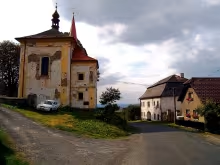
The Church of Saint John the Baptist in Čížkov is a Baroque church located on a gentle hill at the village's eastern edge, near the road to Dožice. Originally built in Gothic style in 1384, it has undergone significant transformations over the centuries. The most notable renovation occurred between 1730 and 1732 during the Baroque period. This architectural evolution reflects broader trends in sacred architecture within the Czech lands. The church is a registered cultural monument, highlighting its historical significance.
Constructed in Gothic style in 1384, the Church of Saint John the Baptist was built when Bohemia was part of the Holy Roman Empire under Charles IV. This era saw cultural and architectural development, with the Gothic style prevalent in European church construction. However, no medieval stonework from this original structure has survived to the present day.
Architecturally, the church underwent significant changes during its Baroque renovation between 1730 and 1732, likely under Carlo Antonio Canevalli's plans. The church features a single-nave rectangular structure with a right-angled presbytery, complemented by a sacristy on the north side and a spire-topped tower added in 1873. Its facades are characterized by a lisenated order, and its windows are segmentally arched.
The interior is dominated by a barrel vault with triangular recesses, while the sacristy features a barrel vault with pentagonal recesses. A surviving Gothic altar in the chancel serves as a remnant of the original medieval structure. The church's interior furnishings are predominantly from the Baroque period, featuring richly carved and gilded elements. Notably, inscriptions on altars dating back to 1738 commemorate donor parish priest Jakub Jan Worl.
Adjacent to the church stands a parish house built in 1680, modified in the 19th century into its current form with a mansard roof. Nearby grows an ancient small-leaved linden tree, over 250 years old, adding natural beauty and historical context to the site. The church is currently in poor condition, but restoration efforts are underway. In 2021, funding was allocated for repairs, and further financial support from Plzeňský kraj will be directed towards facade restoration in 2024.
Today, despite its deteriorating state, the Church of Saint John the Baptist remains a site of cultural and historical interest. Its architectural evolution and rich interior furnishings offer insights into broader trends in sacred architecture within the Czech lands. Visitors are invited to explore this monument, appreciating its historical significance and surrounding natural beauty.
Historical milestones
- 1384
- The church was originally constructed in Gothic style.
- 1730
- Baroque renovation began under the plans of Carlo Antonio Canevalli.
Architectural development
Initially built in a Gothic style in 1384, the church has seen several renovations over the centuries. The most notable transformation occurred during the baroque period between 1730 and 1732, with designs attributed to Carlo Antonio Canevalli. Architecturally, it is characterized by its single-nave rectangular structure, right-angled presbytery, sacristy on the north side, and a spire-topped tower added in 1873.
Historical events
The church was originally constructed in Gothic style in 1384.
A significant baroque renovation took place between 1730 and 1732, likely under the plans of Carlo Antonio Canevalli.
Points of interest
- The Church of Saint John the Baptist was originally constructed in 1384 during a time when Bohemia was part of the Holy Roman Empire under Charles IV, reflecting the cultural and architectural influences of that era.
- Despite its Gothic origins, no medieval stonework from the original structure remains today, making it unique as an example of complete transformation over centuries.
- The Baroque renovation between 1730 and 1732 is believed to have been influenced by Carlo Antonio Canevalli's plans, showcasing a significant stylistic shift in its architecture.
Guide
Show guide text
Welcome to the serene and historic Church of Saint John the Baptist in Čížkov. As you stand here on this gentle hill at the eastern edge of the village, near the road to Dožice, take a moment to absorb the tranquil surroundings that cradle this architectural gem.
The church, with its baroque elegance, invites you into a story that begins in 1384. Picture Bohemia during the time of Charles IV, when it was part of the Holy Roman Empire—a period rich with cultural and artistic influence. It was then that this church first rose in Gothic style, reflecting the architectural spirit of an era long past.
As your eyes trace the contours of the building, notice its single-nave rectangular structure. This form is a testament to its baroque transformation between 1730 and 1732, under the visionary plans of Carlo Antonio Canevalli. While the original Gothic stonework may not be visible today, the church's current appearance speaks volumes about its evolution over centuries.
Now, let’s delve into some intriguing aspects of this site. Despite its baroque façade, the Church of Saint John the Baptist holds within it layers of history that echo through time. Its existence during Charles IV's reign connects it to a pivotal period in Bohemian history, where art and culture flourished under imperial patronage.
As you stand here, imagine the countless stories embedded in these walls—the silent witnesses to centuries of change and devotion. While specific historical figures tied directly to this church may remain unknown, its presence is an anchor to the past, inviting us to ponder the lives that have intersected with this sacred space.
Consider this a gentle mystery: how many transformations has this church seen? How many prayers have been whispered within these walls? Such questions invite you to explore further and connect with the layers of history that surround you.
As we conclude our virtual tour, I encourage you to continue exploring Čížkov. Let your curiosity guide you through its streets and landscapes, each step a journey into the past. Thank you for joining me today, and may this experience inspire a deeper appreciation for the rich tapestry of history that surrounds us.
Tips for visitors
The best time to visit the Church of Saint John the Baptist in Čížkov is during late spring or early autumn when the weather is mild, and the surrounding landscape is lush with greenery. This period offers pleasant temperatures for walking around the area and exploring nearby sites. Additionally, visiting outside peak tourist seasons ensures a more tranquil experience, allowing you to appreciate the church's serene atmosphere without crowds.
Parking and transportation options are convenient for visitors. The site can be accessed by car, with parking available near Čížkov village. Public transport is also an option; you can use regional buses or trains to reach Plzeň and then take a local bus or taxi to the church. It's advisable to check current public transportation schedules online before your visit for the most efficient travel plans.
When visiting, it’s recommended to bring comfortable walking shoes as there may be some uneven paths around the site. A camera is also suggested to capture the picturesque views of the ancient small-leaved linden tree and the church itself. For those interested in photography, early morning or late afternoon light provides a soft glow that enhances the architectural details of the baroque structure.
Nearby attractions within 30 minutes include the village of Dožice, which offers charming rural scenery and opportunities for leisurely walks. Families with children will appreciate the natural surroundings where they can explore and enjoy outdoor activities. The ancient linden tree near the church is also a delightful spot for families to gather and take memorable photos.
Businesses nearby
Do you run a restaurant, accommodation, shop, museum, rental, wellness or other visitor service near this monument? Show yourself directly to the people heading to it — this is how they will see you in the app and on the web:
Nearby
Adjacent to the church stands a parish house built in 1680 and modified in the 19th century. Nearby grows an ancient small-leaved linden tree, over 250 years old, adding natural beauty to the site.
Accommodation nearby
Themed route
Thematic Walking Tour: Čížkov Church and Surroundings
1. Church of Saint John the Baptist (Čížkov) - Historical Landmark Begin your journey at this stunning example of Baroque architecture, a centerpiece of spiritual life in Čížkov since its construction. The church's intricate design and historical significance make it an essential stop for anyone interested in religious heritage.
2. Parish House - Architectural Evolution Just adjacent to the church stands this parish house, originally built in 1680 with modifications made in the 19th century. Its architectural evolution reflects the changing styles and needs of the community over centuries, offering a glimpse into local history.
3. Ancient Small-Leaved Linden Tree - Natural Wonder A short walk from the church leads you to an ancient small-leaved linden tree, over 250 years old. This majestic natural landmark adds a serene and picturesque element to your visit, inviting reflection on nature's enduring presence alongside human history.
This concise tour offers a harmonious blend of architectural beauty and natural splendor, providing insight into both the cultural and ecological heritage of Čížkov.
Seasonal recommendations
Spring: Visiting the Church of Saint John the Baptist in Čížkov during spring offers a unique experience as nature begins to awaken around this historic site. The soft, diffused light filtering through budding trees creates an ethereal glow that enhances the church's architectural details, despite its poor condition. This time of year is ideal for photography enthusiasts looking to capture the contrast between the ancient structure and vibrant new life. Visitors should be prepared for unpredictable weather; a light raincoat or umbrella might be necessary as spring showers are common. The atmosphere is generally peaceful, with fewer crowds than in summer months, allowing for a more intimate exploration of the church's surroundings.
Summer: Summer brings long days and warm evenings to the Church of Saint John the Baptist, making it an excellent time for those who appreciate historical sites bathed in golden sunlight. However, this season also sees higher visitor numbers, especially during peak tourist periods, so arriving early can help avoid crowds. The lush greenery surrounding the church is at its most vibrant, providing a picturesque backdrop for visitors. Comfortable walking shoes and light clothing are recommended due to increased foot traffic on pathways and warmer temperatures. Additionally, carrying water and sunscreen is advisable as you explore the site during these sunny months.
Autumn: Autumn offers a magical setting for exploring the Church of Saint John the Baptist with its rich tapestry of colors as leaves turn from green to shades of red, orange, and yellow. The cooler weather makes it an ideal time for leisurely walks around the church grounds without the discomfort of summer heat. This season often brings fewer visitors compared to summer, allowing for a more tranquil experience. However, the changing weather means that layers are essential; bringing a warm jacket or sweater is wise as temperatures can drop significantly by late afternoon. The soft autumn light creates a serene atmosphere, perfect for reflection and appreciating the church's historical significance.
Winter: Winter transforms the Church of Saint John the Baptist into a quiet haven amidst snow-covered landscapes, offering a starkly beautiful contrast against its weathered stone façade. Shorter daylight hours mean visiting in the morning is best to make the most of available light, but be prepared for potential closures or limited access due to inclement weather conditions. The cold season necessitates warm clothing, including thermal layers, gloves, and hats, as well as sturdy boots for navigating potentially icy paths. Despite possible challenges with accessibility, the serene winter atmosphere provides a unique opportunity to appreciate the church's architectural details without the distraction of crowds, making it a rewarding visit for those who venture during this quieter time of year.
Visualizations and artistic views

Vizualizace jsou generovány umělou inteligencí a slouží jako inspirace.

Tips from visitors
No tips yet. Be the first!
Log in and add your tip.



Reviews and comments