






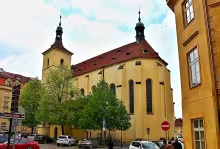
The Church of Saint Haštal, located in Staré Město within Prague's historic Old Town, is a unique Gothic structure dedicated to Saint Haštal. It stands out not only for its architectural evolution from Romanesque origins but also as the sole Czech church consecrated to this saint. Its history dates back to a 12th-century Romanesque basilica, with significant development during the cultural renaissance of the 14th century under Charles IV's rule.
Constructed between 1375 and 1399 on the site of an earlier Romanesque church documented as early as 1234, this original structure was one of Prague’s main Romanesque churches. It was strategically positioned along a road from St. Valentine's ford through the Jewish settlement to "na Poříčí." The Gothic transformation began with the construction of a polygon-shaped choir and parts of the nave, reflecting architectural innovations of the era. A significant change occurred when plans shifted towards creating a double-nave hall during King Wenceslaus IV’s reign. This phase included contributions from renowned stonemason Peter Parler, evident in the intricate corbels adorning the church's walls.
Throughout its history, the Church of Saint Haštal has witnessed several dramatic changes and events. During the Hussite Wars, it suffered damage and flooding in 1432, with altars being reconsecrated by 1436. The parish was under Utraquist control until 1624, after which Catholic administration took over, managing it from Týn Church until 1739. A significant fire in 1689 led to extensive Baroque-style restoration efforts, altering much of its original Gothic design.
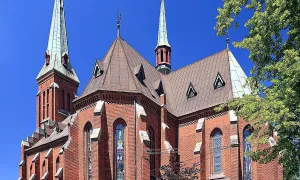
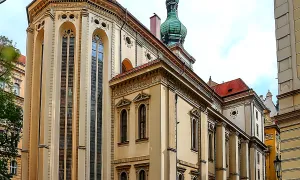
Architecturally, the church is a testament to various styles and periods. Its current form features a stone structure with brick elements on the northern presbytery side. The main nave, now vaulted by a Baroque barrel vault, originally had a taller Gothic vault visible in the loft. The southern nave retains its original Gothic rib vault, while the northern double-nave hall showcases subtler ribs and supporting columns adorned with plant motifs. The church's exterior presents an irregular four-naval layout with a tower above the southern nave and a sacristy by the presbytery.
Today, the Church of Saint Haštal remains a significant historical and architectural landmark in Prague’s Old Town. It houses relics of Saint Haštal, including his skull, brought to Prague by Charles IV. The church's rich history and unique dedication make it a compelling site for visitors interested in Gothic architecture and Czech religious heritage. Its proximity to other cultural landmarks enhances its appeal as part of a broader exploration of medieval Prague.
Historical milestones
- 1234
- First documented mention in a charter by King Václav I.
- 1375
- Completion of the chapel of All Saints by Jenštejn lords, now part of the sacristy.
Architectural development
The church evolved from a Romanesque basilica into a Gothic structure in the 14th century. The initial phase included a polygonal choir and parts of the nave, completed by mid-century. Later phases introduced a two-story hall space with distinctive architectural style under King Václav IV's reign. Post-Hussite Wars restoration and post-1689 fire reconstruction altered its medieval design.
Historical events
1234: First documented mention when King Václav I referenced it in a charter for the newly founded Franciscan monastery.
1432: Damaged during Hussite Wars and affected by flooding.
1689: Suffered significant damage from a fire, leading to extensive restoration.
Owners
Initially under the patronage of Czech queens, the church became Utraquist until 1624, then Catholic, managed from Týn Church until 1739. It returned to parish status in 2009.
Points of interest
- The Church of Saint Haštal is unique as the only church in the Czech Republic dedicated to Saint Haštal, a relatively obscure saint whose relics are housed within its walls.
- During the Hussite Wars, this church experienced both damage and flooding in 1432. Remarkably, it managed to have its altars reconsecrated just four years later by 1436, demonstrating resilience amid conflict.
Guide
Show guide text
Welcome to the Church of Saint Haštal, nestled in the historic heart of Staré Město, Prague. As you stand before this remarkable Gothic structure, take a moment to soak in its serene presence and imagine the centuries it has witnessed. This church is unique among Czech churches, dedicated solely to the lesser-known yet intriguing Saint Haštal.
Let's delve into its origins. The first documented mention of this sacred site dates back to 1234, referenced in a charter by King Václav I. Originally, there was a Romanesque basilica here in the 12th century. Over time, particularly during the flourishing medieval culture of the 14th century, it evolved into the Gothic masterpiece you see today.
As you observe its architecture, notice how the church's design reflects its rich history and cultural significance. While specific architects remain unknown, the craftsmanship is evident in every detail. The chapel of All Saints, completed in 1375 by the Jenštejn lords, now forms part of the sacristy—a testament to the layers of history embedded within these walls.
The Church of Saint Haštal has been a silent witness to many pivotal moments and figures throughout history. It is closely associated with Emperor Karel IV, whose influence helped shape Prague into a vibrant cultural hub during his reign. This connection adds another layer of historical depth to your visit.
Now, let's explore an intriguing aspect: the church houses relics of Saint Haštal himself—a rare honor that sets it apart as the only Czech church dedicated to this saint. Additionally, its resilience is remarkable; despite suffering damage and flooding during the tumultuous Hussite Wars in 1432, it stood strong against adversity.
As you continue your exploration, let the atmosphere envelop you—feel the echoes of prayers and history reverberating through these sacred halls. Each corner holds a story waiting to be discovered.
Before we conclude, I invite you to linger a little longer, perhaps wander around its perimeter or step into the church itself if it's open, allowing yourself to fully immerse in this historical gem. Thank you for joining me on this journey through time and faith. May your visit here inspire reflection and curiosity as you continue exploring Prague’s storied streets.
Tips for visitors
The best time to visit the Church of Saint Haštal is during late spring or early autumn, when the weather is pleasant for walking around the historic Old Town of Prague. These seasons offer comfortable temperatures and fewer crowds compared to peak tourist times in summer. Additionally, visiting on a weekday can provide a more serene experience, allowing you to appreciate the church's Gothic architecture without the hustle and bustle.
Transportation options are convenient as the area is well-served by public transport. You can reach Staré Město using Prague’s extensive tram network or buses. For those driving, there are parking facilities available in the vicinity, though spaces can be limited due to the popularity of the area. It's advisable to check current public transportation routes and parking availability online before your visit.
When visiting the Church of Saint Haštal, it is recommended to bring comfortable walking shoes as you may want to explore nearby landmarks like Týn Church or stroll through the charming streets of Old Town Prague. A camera is also a good idea for capturing the stunning medieval architecture and vibrant atmosphere. Don't forget to wear layers, as temperatures can vary throughout the day.
For photography enthusiasts, early morning or late afternoon light provides the best conditions for capturing the church’s intricate Gothic details. The side facades of the church offer excellent vantage points for photographs, especially when illuminated by the soft hues of dawn or dusk. Exploring nearby areas like Týn Church can also provide additional photo opportunities with their impressive architecture.
Within a 30-minute walk from the Church of Saint Haštal, visitors can explore other cultural heritage sites such as Týn Church and enjoy the medieval ambiance of Old Town Prague. This area is rich in history and offers numerous attractions like Charles Bridge and Prague Castle for those looking to extend their visit.
For families with children, the historic center of Staré Město provides a delightful experience with its picturesque streets and engaging atmosphere. The church itself may not have specific activities for kids, but the surrounding area is full of interactive experiences such as exploring old town squares or visiting nearby museums that cater to younger audiences.
Businesses nearby
Nearby
Situated in the historic Old Town of Prague, near landmarks like Týn Church and surrounded by medieval architecture. The area is rich in cultural heritage sites within a 5 km radius.
Accommodation nearby
Trips and activities nearby
Guided tours, tickets and activities nearby from GetYourGuide
Search tours and activities →Themed route
Thematic Walking Tour: Discovering the Old Town of Prague
1. Kostel svatého Haštala (Church of St. Adalbert) - *Type:* Church - *Why Visit:* Nestled in the heart of Prague's historic Old Town, this charming church offers a serene escape from the bustling city streets. Its simple yet elegant architecture and peaceful atmosphere make it an ideal starting point for exploring the area’s rich cultural tapestry.
2. Týn Church (Church of Our Lady before Týn) - *Type:* Church - *Why Visit:* Just a short walk from Kostel svatého Haštala, Týn Church is renowned for its stunning Gothic architecture and impressive twin towers that dominate the Old Town Square skyline. Its historical significance and beautiful interior make it a must-see landmark.
3. Old Town Square (Staroměstské náměstí) - *Type:* Historic Square - *Why Visit:* As you continue your journey, find yourself in the vibrant heart of Prague's Old Town at this iconic square. Known for its lively atmosphere and historical monuments like the Astronomical Clock, it offers a glimpse into the city’s past while serving as a hub for cultural events.
4. Old New Synagogue (Staronová synagoga) - *Type:* Synagogue - *Why Visit:* Located near Old Town Square, this synagogue is one of the oldest active Jewish houses of worship in Europe. Its unique architecture and rich history provide insight into Prague’s diverse cultural heritage.
5. Jewish Quarter (Josefov) - *Type:* Historic District - *Why Visit:* Conclude your tour by exploring the historic Jewish Quarter, a UNESCO World Heritage site filled with synagogues, museums, and charming streetscapes. This area offers a profound connection to Prague’s Jewish history and culture, making it an essential part of any visit to the Old Town.
This thematic walking tour captures the essence of Prague's Old Town, weaving together its religious landmarks and historic sites into a cohesive narrative that celebrates the city's rich cultural heritage.
Seasonal recommendations
Jaro: Kostel svatého Haštala nabízí v jarním období jedinečný pohled, kdy se zelená vegetace kolem Starého Města začíná rozvíjet a osvětluje architektonickou krásu kostela. Slunečné dny mohou přinést teplé barvy na střechách a fasádách, což vytváří živý kontrast k zelenavému pozadí. Vzhledem ke snižujícím se davům je tento čas ideální pro mírnější návštěvu bez překážky tisíců turistů, což umožňuje hlubší zapojení do historie a architektury. Doporučuje se nosit pohodlné oblečení vhodné pro mírnou teplotu s možností přidat vrstvu na chladnější dny, a návštěvníci by měli zvážit výlet do kostela v raném odpoledním čase, kdy je teplota nejútulnější.
Léto: V letních měsících se Staré Město proměňuje ve vzrušující centrum aktivit s dlouhými dny a slunečným osvětlením, které zdůrazňuje historické detaily kostela svatého Haštala. Atmosféra je plná života, což může být přitažlivé pro návštěvníky hledající aktivní zážitek v centru Prahy. Nicméně se očekávají vyšší počty turistů a dlouhodobí obyvatelé, což může vést k přeplněnosti u populárních atrakcí jako je tento kostel. Pro zajištění pohodlné návštěvy doporučujeme přicházet brzy ráno nebo v pozdním odpoledni, kdy se davu může snížit. Nosit lehké oblečení a uvádět s sebou slunečník a záchovek proti dešti je klíčové pro užívání letního dne.
Podzim: Kostel svatého Haštala v podzimním období nabízí úchvatný pohled na Staré Město, kdy se listy stromů mění do zlatých a rudých odstínů, což dodává historickým budovám romantickou atmosféru. Kratší dny a chladnější teploty přinášejí mírné davu, což umožňuje návštěvníkům užít si klidnější prostředí. Vlhkost může však znamenat prudké počasí, takže je vhodné se připravit na rychlé změny teploty a možnost deště. Nosit vrstvené oblečení s teplou košíkovou čepicí nebo kloboukem může být užitečné, zatímco návštěva v polodenních hodinách nabízí ideální osvětlení pro fotografii.
Zima: Zimní období představuje kostel svatého Haštala jako místo plné tichosti a klidu, kdy je Staré Město pokryto sněhem nebo zmrzlými ulicemi, což vytváří magickou atmosféru. Dlouhé noční hodiny mohou být ideální pro fotografování osvětlených budov a kostela za měsícem nebo hvězdami. Nicméně, zimní teploty vyžadují pevný plán týkající se oblečení, s důrazem na teplé kožešinové bundy a ochranná opatření pro nohy. Otevírací doba může být kratší kvůli zimním podmínkám, takže je vhodné se informovat o aktuálním provozu před návštěvou. Doporučuje se navštívit v den bez deště nebo sněhu pro optimální zážitek a udržet si ruce teplé s teplými rukaviciemi.
Visualizations and artistic views

Vizualizace jsou generovány umělou inteligencí a slouží jako inspirace.

Tips from visitors
No tips yet. Be the first!
Log in and add your tip.



Reviews and comments