






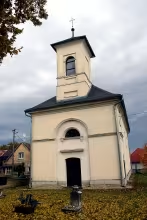
The Church of Saint Anthony of Padua in Dubnice is a notable cultural monument located in the Moravskoslezský kraj region of the Czech Republic. Constructed between 1822 and 1823, this Empire-style church reflects early 19th-century architectural trends influenced by European movements. Its significance lies not only in its historical context but also in its role within the local community.
The origins of the Church trace back to an earlier wooden structure dedicated to Saint Anthony, which burned down in 1820. This event necessitated the construction of a new church, designed by Gottlieb Mayer and funded through contributions from Dubnice's citizens, the ecclesiastical fund, and Jan Adam kníže z Lichtenštejna. The church was completed within a year, reflecting both urgency and communal effort.
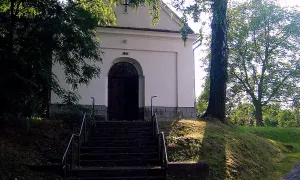
Architecturally, the church exemplifies the Empire style with its single nave orientation towards the altar and a spire rising from the façade. Constructed with stone to replace the previous wooden structure, it features a flat ceiling adorned with paintings from 1901. Inside, visitors can find a preserved stone altar and functional organs dating back to around 1850, restored in 2002 by Kánský – Brachtl. The church's artistic elements include a statue of the Virgin Mary placed before it within an iron enclosure.
Ownership transitioned from being part of the parish of Lichnov to municipal property after 1947. This change marked a new chapter in its history, allowing for broader community use and involvement. Notably, the church experienced a burglary in 2014, highlighting its vulnerability despite its cultural significance.
Throughout its history, the Church has witnessed several key events. The original wooden church's destruction by fire in 1820 led to the construction of the current stone structure. During World War I, the church's bells were requisitioned and later replaced with a new one from Hillers of Brno. These events underscore the church's resilience and adaptability over time.
Today, the Church remains an accessible site for visitors, offering insights into its rich history and architectural beauty. Surrounded by a cemetery established in 1672, it stands as a cultural landmark within Dubnice. Its historical significance, combined with its artistic features, makes it a worthwhile destination for those interested in exploring the heritage of the Czech Republic.
The church's enduring legacy reflects the community's dedication to preserving their cultural and religious heritage. Visitors are invited to explore this remarkable monument, where history and artistry converge to tell the story of Dubnice and its people.
Historical milestones
- 1822
- Construction of the church began.
- 1823
- Construction of the church completed.
Architectural development
Constructed between 1822 and 1823, the church replaced a wooden predecessor that had been destroyed by fire. Designed in Empire style by Gottlieb Mayer, it features a single nave with a spire rising from its façade. The interior includes a flat ceiling painted in 1901, a preserved stone altar, and functional organs dating back to around 1850.
Historical events
- 1820
- The original wooden church dedicated to Saint Anthony of Padua burned down.
- 2014
- The church was burglarized.
Owners
Initially owned by the parish of Lichnov, it became municipal property after 1947.
Points of interest
- The Church of Saint Anthony of Padua was constructed in just one year following the destruction of its wooden predecessor by fire in 1820, showcasing a remarkable speed and communal effort for that era.
- A significant artistic feature inside the church is the statue of the Virgin Mary, which stands before the altar within an iron enclosure, adding to the spiritual ambiance with its protective setting.
Guide
Show guide text
Welcome to the Church of Saint Anthony of Padua in Dubnice, a remarkable testament to community resilience and architectural elegance nestled within Moravskoslezský kraj. As you stand here, take a moment to absorb your surroundings: the church's façade is marked by a spire that reaches towards the sky, a symbol of hope and faith. Surrounding this sacred site, a cemetery established in 1672 whispers stories from centuries past.
Let's delve into its history. In the early 19th century, following the unfortunate destruction of an earlier wooden structure by fire in 1820, the community rallied to rebuild. Between 1822 and 1823, under the guidance of architect Gottlieb Mayer, a new church was constructed with remarkable speed for that era. This swift reconstruction symbolized not just architectural achievement but also the spirit of unity among the people.
Now, shift your gaze to the architectural details before you. The Church of Saint Anthony of Padua is an exquisite example of Empire style architecture, characterized by its single nave oriented towards the altar. As you look around, notice how the structure's symmetry and proportions exude a sense of balance and grandeur. Even though we can't see every intricate detail through this audio guide, imagine walking along the church’s façade, feeling the weight of history in each stone.
This site is also intertwined with significant historical figures, notably Jan Adam kníže z Lichtenštejna. His influence during that period played a crucial role in shaping not just this church but the broader cultural landscape of the region.
One intriguing aspect you might find captivating is the statue of the Virgin Mary located before the church. This artistic feature adds a layer of spiritual depth and beauty to an already enchanting site, inviting reflection on its religious significance.
As we conclude our brief journey through time and stone, I invite you to explore further, perhaps wandering through the cemetery or simply pausing in quiet contemplation at this cultural monument. Thank you for joining me today, and may your visit be both enlightening and inspiring.
Businesses nearby
Do you run a restaurant, accommodation, shop, museum, rental, wellness or other visitor service near this monument? Show yourself directly to the people heading to it — this is how they will see you in the app and on the web:
Nearby
Surrounded by a cemetery established in 1672, the church is located near other historical sites within the region. The landscape includes natural features typical of the Moravskoslezský kraj area.
Accommodation nearby
Themed route
Tematická výletní trasa kolem Kostela svatého Antonína Paduánského (Dubnice)
1. Kostel svatého Antonína Paduánského (Dubnice) - *Typ:* Historický kostel - *Proč stojí za návštěvu:* Tento kostel je nejenom duchovním centrem obce Dubnice, ale také architektonickou perli s bohatou historií. Jeho umístění vedle hřbitova z roku 1672 dodává místu klidný a reflektující charakter, ideální pro ty, kteří chtějí poznat více o minulosti regionu. Navštívte vnitřek kostela s jeho historickou architekturou a možná se podívejte na některé z expozic, pokud jsou k dispozici.
2. Hřbitov u Kostela svatého Antonína Paduánského - *Typ:* Historický hřbitov - *Proč stojí za návštěvu:* Hřbitov, založený v roce 1672, je nejenom místo odpočinku pro místní obyvatele, ale také archiv životů a dějin. Jeho starobylé hroby a památníky vyprávějí příběhy minulých generací a nabízejí vhled do historie regionu Moravskoslezského kraje. Prozkoumejte elegantní kříže a starobylé náhrobní desky, které jsou svědky času.
3. Nadkostelní prostor - *Typ:* Otevřený veřejný prostor - *Proč stojí za návštěvu:* Nadkostelní prostor nabízí klidné okolí, kde můžete uvolnit mysl a ocenit přírodní krásu oblasti. Tento prostor je ideální pro relaxaci po prozkoumání kostela a hřbitova. Pohled na okolní krajinu Moravskoslezského kraje, s jeho typickými horami a lesy, poskytuje útěchu a inspiraci.
Tato trasa nabízí poutavý mix historie, kultury a přírody v malém měřítku, perfektně vhodný pro ty, kteří hledají klidné a zároveň informativní zážitky.
Seasonal recommendations
Spring: Visiting the Church of Saint Anthony of Padua in Dubnice during spring offers a unique experience as nature begins to awaken, with blooming flowers and fresh greenery adding vibrancy to the surrounding landscape. The light is softer and more diffused, creating a gentle atmosphere perfect for appreciating the church's architectural details. While crowds are generally moderate, it's advisable to dress in layers due to variable temperatures and consider bringing an umbrella as spring showers can be unpredictable. Early morning visits allow you to enjoy the serene ambiance before larger groups arrive.
Summer: Summer is the peak season for visiting the Church of Saint Anthony of Padua, with long days providing ample daylight to explore both the church and its picturesque surroundings. The lush greenery and vibrant flowers enhance the natural beauty of the area, making it a popular time for outdoor activities. However, this also means larger crowds, so arriving early in the morning or later in the afternoon can help avoid the busiest times. Comfortable walking shoes and light clothing are recommended due to warmer temperatures.
Autumn: Autumn brings a stunning display of colors as the leaves change, creating a picturesque backdrop for the Church of Saint Anthony of Padua. The cooler weather makes it an ideal time to explore without the summer heat, and the reduced number of visitors allows for a more peaceful experience. As days grow shorter, planning your visit earlier in the day ensures you have enough light to appreciate both the church's interior and exterior beauty. Layered clothing is advisable as temperatures can vary.
Winter: Winter transforms the Church of Saint Anthony of Padua into a serene and quiet retreat, with snow-covered landscapes adding a magical touch to its surroundings. The shorter days mean fewer visitors, offering a more intimate experience, but also necessitate planning your visit during daylight hours. The church's architecture is particularly striking against the backdrop of a winter sky. It's important to dress warmly in layers and wear waterproof boots for snowy or icy conditions. Be mindful that opening times may be limited due to shorter days.
Visualizations and artistic views

Vizualizace jsou generovány umělou inteligencí a slouží jako inspirace.


Tips from visitors
No tips yet. Be the first!
Log in and add your tip.
Location on the map

Příběhy a pověsti
Legendy, pověsti a příběhy spjaté s touto památkou
Reviews and comments