





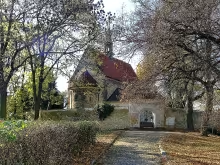
The Church of the Beheading of St. John the Baptist in Dolní Chabry is a Romanesque filial church located on Bíleneckého Square in Prague-Dolní Chabry. This historical monument stands out for its continuous sacred use since the early 11th century and features a rectangular layout with an apse, Romanesque frescoes, and foundations of earlier sanctuaries beneath it. Its significance is rooted in both its architectural style and rich history.
The site has been significant for religious purposes since at least the early 11th century, marking it as a place of continuous sacred use over several centuries. Archaeological research conducted between 1973 and 1974 revealed that this location hosted four different sacred structures. The earliest was a small chapel made from limestone blocks dating back to the beginning of the 11th century. The second structure was a longitudinal church with a semicircular apse built using ashlar masonry in opus spicatum style. The third was a large Romanesque rotunda constructed before the mid-12th century, notable for its size and decorative floor tiles depicting various motifs.
Architecturally, the current form of the church dates to the late 12th century, characterized by its ashlar masonry construction. It features a rectangular nave with an apse on the eastern side, a small sacristy attached to the northern wall near the apse, and a slender tower rising from the gable roof. The interior is adorned with rare Romanesque frescoes discovered in 1905, including depictions of Christ and apostles from around 1230-40, as well as the oldest Marian cycle in Bohemia dating back to 1250-60.
Throughout its history, the church has experienced significant events that have shaped its current state. In 1352, a plebany was established at the church, marking an important development in its ecclesiastical administration. The Hussite Wars of the 15th century caused considerable damage, including the burning of the roof, which necessitated later Gothic-style restorations and heightening of the roof structure. A mason's mark from 1439 found on the site further attests to these restoration efforts.
Today, the church faces challenges requiring extensive reconstruction due to structural issues and degradation of its foundations. Despite these concerns, it remains a site of historical and cultural interest. The church is accessible to visitors who are drawn by its unique architectural features and artistic treasures, including the Romanesque frescoes and decorative tiles. Efforts continue to secure funding for necessary repairs, led by local heritage organizations.
Visiting the Church of the Beheading of St. John the Baptist offers a glimpse into medieval religious architecture and artistry, making it a worthwhile destination for those interested in history and cultural heritage. Its enduring legacy as a place of worship over centuries adds depth to its allure, inviting exploration and appreciation from visitors today.
Historical milestones
- 1352
- A plebany was established at the church.
- 1439
- A mason's mark with the year A.D.1439 was found on the church grounds.
Architectural development
Originally built in the late 12th century using ashlar masonry, the church has undergone several transformations. It features a rectangular nave with an apse and a small sacristy. The Romanesque frescoes discovered in 1905 highlight its artistic significance. Post-Hussite Wars, it was restored in a late Gothic style.
Historical events
In 1352, a plebany was established at the church.
The church suffered damage during the Hussite Wars in the 15th century.
Points of interest
- The Church of the Beheading of St. John the Baptist in Dolní Chabry is notable for having hosted four different sacred structures over its long history, each reflecting distinct architectural styles and periods.
- Among the church's unique features are some of the oldest Marian cycle frescoes in Bohemia, dating back to 1250–60, which offer a rare glimpse into medieval religious art and iconography.
Guide
Show guide text
Welcome to the Church of the Beheading of St. John the Baptist in Dolní Chabry, a remarkable testament to medieval religious architecture nestled on a quaint hill at Bíleneckého Square. As you stand here, enveloped by the serene atmosphere, take a moment to appreciate the church's modest yet striking presence. Its rectangular layout is accented by an apse, and although time has weathered its features, it still exudes a profound sense of history.
This sacred site traces its roots back to the early 11th century, marking over a millennium of continuous spiritual significance. In 1352, a plebany was established here, further cementing its role in the community's religious life. The church has witnessed centuries unfold, with each era leaving its imprint on this hallowed ground.
As you explore, notice the Romanesque frescoes that adorn the interior walls. These ancient artworks are among the oldest Marian cycle frescoes known to exist, offering a rare glimpse into medieval devotion and artistry. Their faded colors and intricate designs whisper stories from centuries past, inviting you to ponder their origins and meanings.
The church's history is further enriched by its architectural evolution; it has hosted four distinct sacred structures over time. Each structure reflects the prevailing styles and periods of its era, showcasing a fascinating blend of continuity and change. In 1439, a mason's mark was discovered on the site, bearing the year A.D.1439—a tangible connection to those who built and maintained this sanctuary.
While many architects and historical figures associated with the church remain unknown, their contributions are nonetheless integral to its enduring legacy. The mystery surrounding these individuals adds an intriguing layer to your visit, encouraging you to imagine the hands that shaped this sacred space.
As you prepare to continue your exploration of Dolní Chabry, take a moment to reflect on the rich tapestry of history and spirituality woven into the fabric of this church. It stands as a silent witness to countless prayers and moments of contemplation, inviting all who visit to connect with its enduring spirit.
Thank you for joining us today. We hope this journey has inspired you to delve deeper into the stories that lie within these walls and beyond. Safe travels on your path of discovery!
Tips for visitors
The best time to visit the Church of the Beheading of St. John the Baptist in Dolní Chabry is during late spring or early autumn when the weather is pleasant, and the surrounding greenery enhances the serene atmosphere of this Romanesque filial church. Visiting during these months allows you to enjoy a comfortable exploration without the crowds that might be present during peak tourist seasons.
Parking and transportation options are available for visitors coming by car as well as those using public transport. The area around Bíleneckého Square is accessible, but it's advisable to check current parking facilities or use nearby public transit routes to reach Dolní Chabry. For the most up-to-date information on how to get there, consider looking up transportation options online.
When planning your visit, it's a good idea to bring comfortable walking shoes as you may want to explore the area around the church and Bíleneckého Square. Also, consider bringing a camera or smartphone for photography, especially if you're interested in capturing the architectural details of this historic site.
For photography enthusiasts, the best spots are likely from the front of the church where its Romanesque architecture can be fully appreciated against the backdrop of the surrounding landscape. The natural light during the golden hours—shortly after sunrise or before sunset—can add a beautiful glow to your photographs, highlighting the textures and details of the building.
In terms of nearby attractions within a 30-minute radius, visitors might explore other historical sites or enjoy a leisurely walk in the surrounding areas of Prague-Dolní Chabry. While specific recommendations are not provided here, the proximity to Prague offers numerous cultural and recreational opportunities for those looking to extend their visit.
Businesses nearby
Accommodation nearby
Trips and activities nearby
Guided tours, tickets and activities nearby from GetYourGuide
Search tours and activities →Themed route
Tematická výletní trasa: Kostel Stětí svatého Jana Křtitele v Dolních Chabrech
1. Kostel Stětí svatého Jana Křtitele - *Typ:* Historický kostel - *Proč stojí za návštěvu:* Tento barokní kostel, postavený v 18. století, je jedinečnou památkou s bohatou historií a architektonickými rysy. Jeho interiér nabízí krásné fresky a dřevěné sochy, které přitahují návštěvníky zájmem o duchovní umění a historii.
2. Nádvoří kostela - *Typ:* Historický areál - *Proč stojí za návštěvu:* Nádvoří je klidným místem, kde si můžete užít pohledu na zahradní prostor kolem kostela. Je to ideální místo pro odpočinek a pochopení historického kontextu, ve kterém se kostel nachází.
3. Místní památky v okolí - *Typ:* Historické budovy - *Proč stojí za návštěvu:* I když konkrétní budovy nejsou specifikovány, oblast kolem kostela je bohatá na historické domy a památky. Tyto struktury představují architektonický vývoj regionu a nabízejí vhled do minulosti Dolních Chabrů.
4. Procházka po ulicích Dolních Chabrů - *Typ:* Místní procházka - *Proč stojí za návštěvu:* Procházka po ulicích obce vám umožňuje cítit atmosféru městského života a seznámit se s místní kulturou. Je to příležitost prozkoumat další historické detaily a užít si klidný prostor v okolí hlavní památky.
Tato trasa nabízí kombinaci duchovního zážitku, historických objevů a relaxační procházky, což činí Dolní Chabry ideálním místem pro návštěvníky, kteří hledají hlubší poznání regionu.
Seasonal recommendations
Jaro: Návštěva Kostela Stětí svatého Jana Křtitele v Dolních Chabrech v jarním období nabízí nádherný pohled na kvetoucí zahrady a stromy, které se oživují po chladné zimě. Sluneční paprsky osvětlují kostel svým teplým světlem, což vytváří krásnou atmosféru pro fotografování a relaxaci na venkovních plošinách. Navštěvníci by měli očekávat střední návštěvnost, takže je vhodné přijít v rané poledne, aby si užili mírnou teplotu a vyhýbali se možným zvyšujícím se davům. Krátké rukavice a lehké oblečení jsou ideální pro tuto sezónu.
Léto: Léto přináší dlouhé, slunečné dny idealizované pro návštěvu Kostela v Dolních Chabrech. Intenzivní světlo zvyšuje vizuální působení kostelní architektury a zelených oblastí kolem něj, ale může také znamenat více turistických davů. Navštěvujícím se doporučuje přijít brzy ráno nebo později odpoledne, aby si užili mírnější teploty a vyhnuli se vrcholovým hodinám. Návštěvníci by měli mít na sobě ochranné sluneční brýle, krátkou rukavici a dostatek vody, aby si užili svůj den bez nepohodlí.
Podzim: Podzim přináší teplé, jasně zbarvené světlo, které osvěcuje kostel v Dolních Chabrech, zatímco listy kolem se mění na živé barvy. Tato sezóna nabízí jedinečnou atmosféru s mírnými teplotami a růžovými nebo oranžovými odstíny v obloze, což je ideální pro fotografování. Navštěvujícím se doporučuje přijít během středních hodin dne, kdy jsou davu mírné a teploty příjemné. Teplý oblek, který může zvládnout rychlé změny počasí, je nezbytný pro pohodlí.
Zima: Zimní návštěva Kostela v Dolních Chabrech nabízí klidnou atmosféru s méně navštěvníky a krásnými zasněženými krajinami, které přidávají magii kostelním středověkým vzhledem. Světlo je chladnější a delší večerní noci umožňují dlouhé procházky nebo fotografování pod zářivými hvězdami. Navštěvujícím se doporučuje přijít brzy v den, protože otevírací doba může být kratší kvůli nižším teplotám. Je nezbytné mít na sobě teplý oblek, klobouk a rukavice, aby se předešlo studu a užilo se zimním pohledům bez nepohodlí.
Visualizations and artistic views

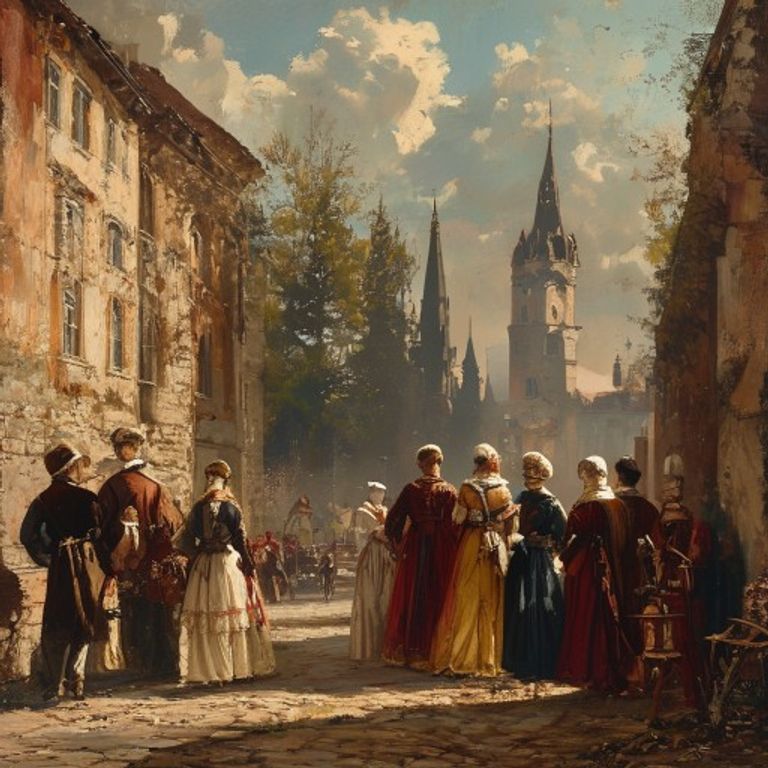
Vizualizace jsou generovány umělou inteligencí a slouží jako inspirace.


Tips from visitors
No tips yet. Be the first!
Log in and add your tip.
Location on the map

Příběhy a pověsti
Legendy, pověsti a příběhy spjaté s touto památkou
Reviews and comments