





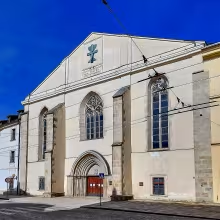
The Church of the Exaltation of the Holy Cross in Jihlava is one of Bohemia's earliest purely Gothic structures, showcasing Northern French Gothic influences. Situated in Jihlava within the Vysočina Region, this former convent church was established by the Dominicans in the mid-13th century. It holds architectural significance and historical importance as a religious center until 1784 when it transitioned to serve the Czechoslovak Hussite Church.
The origins of the church are linked to Jihlava's new upper town development in the mid-13th century. Although its exact founding date is not precisely documented, historical sources suggest that Dominicans settled in Jihlava around 1247. This period marked Bohemia's economic prosperity due to silver mining, contributing significantly to cities like Jihlava's wealth and growth. The church's construction began alongside other major religious structures, reflecting the spread of Gothic architecture across Europe.
Architecturally, the Church of the Exaltation of the Holy Cross exemplifies early Gothic style adoption in Bohemia. Inspired by Northern French Gothic architecture, its design involved three distinct construction phases. The first phase completed the presbytery and main portal around 1261, marked by its consecration. The second phase saw vaulting completion around 1285, followed by finishing touches to the nave with cross-vaulting in the third phase around 1380. Despite damage from several fires, including a significant one in 1353, construction continued until completion.
Ownership and administration of the church have changed dramatically over time. Initially under Dominican control since its establishment, it became state property following Emperor Joseph II's dissolution of the monastery in 1784. It later served as military barracks before being leased to the Czechoslovak Hussite Church in 1947. The Dominicans' prosperity during this period was notable, supported by Jihlava’s economic boom from silver mining.
The church has witnessed several key events and curiosities over its history. A major fire in 1353 caused significant damage but did not halt the building's completion. Another devastating fire on May 29, 1513, reportedly due to negligent handling of oil by Dominicans during cooking, destroyed much of the monastery and church, including an unrebuilt bell tower. These events highlight both the resilience and challenges faced by the structure over time.
Today, the Church of the Exaltation of the Holy Cross remains a significant historical monument in Jihlava, surrounded by other medieval buildings that contribute to the city's rich architectural heritage. It continues as an active place of worship for the Czechoslovak Hussite Church and stands as a testament to Gothic architecture's enduring legacy in Bohemia. Visitors are invited to explore this remarkable site, where history and spirituality converge amidst centuries-old stone walls.
The church’s historical significance and architectural beauty make it a must-visit destination for those interested in medieval history or religious architecture. Its story reflects broader themes of cultural and economic development in 13th-century Bohemia, offering insights into the past that continue to resonate today.
Historical milestones
- 1247
- The Dominicans settled in Jihlava.
- 1261
- Consecrated presbytery and main entrance.
- 1285
- Completion of the church's vaulting.
- 1353
- A significant fire caused damage.
- 1380
- Completion of the cross-vaulted nave.
- 1784
- Transition to state administration after the dissolution of the monastery.
Architectural development
The construction of the Church of the Exaltation of the Holy Cross was divided into three phases. The first phase included building the presbytery and main portal by around 1261. The second phase saw the completion of the choir vaulting around 1285, while the third phase involved finishing the nave with cross-vaulting around 1380.
Historical events
The church's construction began around the mid-13th century and continued through several phases, with significant progress by 1261 when it was consecrated.
A major fire in 1353 damaged the church but did not halt its completion, which occurred over subsequent decades.
In 1784, Emperor Joseph II dissolved the monastery, leading to a change in ownership.
Owners
Initially owned by the Dominicans from its establishment in the mid-13th century, it became state property after the suppression of the monastery in 1784. It was later used as military barracks before being leased to the Czechoslovak Hussite Church in 1947.
Points of interest
- The Church of the Exaltation of the Holy Cross is one of Bohemia's earliest purely Gothic structures, showcasing Northern French influences at a time when such styles were still emerging in Europe. - Despite several fires throughout its history, including a significant blaze in 1353 and another devastating fire in 1513 caused by negligent handling of oil, construction continued until completion, reflecting the resilience and determination to preserve this architectural marvel.
Guide
Show guide text
Welcome to the Church of the Exaltation of the Holy Cross in Jihlava, a remarkable testament to Gothic architecture and history. As you stand before this majestic structure, take a moment to absorb its grandeur. The church's intricate facade draws your eye upward, inviting you to explore its storied past.
Let's delve into its origins and historical context. In 1247, the Dominicans settled in Jihlava, marking the beginning of this sacred site. By 1261, the presbytery and main entrance were consecrated, setting the stage for further development. The church reached a significant milestone in 1285 with the completion of its vaulting, showcasing the architectural ambition of its creators. Despite suffering from a major fire in 1353 that caused extensive damage, reconstruction efforts continued, culminating in the cross-vaulted nave completed by 1380. In 1784, following the dissolution of the convent, the church came under state administration.
Now, let's focus on the architecture and details you can observe today. The Church of the Exaltation of the Holy Cross is one of Bohemia’s earliest purely Gothic structures, heavily influenced by Northern French Gothic styles. As you look around, notice the elegant lines and soaring spaces that define this style. Though specific architects remain unknown, their vision has left a lasting impact on this region.
Throughout its history, the church has been closely linked to the Dominican order's presence in Jihlava, serving as a spiritual center for the community. While key historical figures associated with it may not be documented, the spirit of those who worshipped and labored here is palpable.
One intriguing aspect of this church is its resilience. Despite several fires, including another significant blaze after 1353, it has stood the test of time. This endurance speaks to the dedication of those who rebuilt and maintained it through centuries of challenges.
As we conclude our tour, I invite you to continue exploring this historic site at your own pace. Each corner holds a story waiting to be discovered. Thank you for joining me on this journey through history, and enjoy every moment as you uncover more about the Church of the Exaltation of the Holy Cross in Jihlava.
Businesses nearby
Do you run a restaurant, accommodation, shop, museum, rental, wellness or other visitor service near this monument? Show yourself directly to the people heading to it — this is how they will see you in the app and on the web:
Nearby
Located in Jihlava, the church is surrounded by other historical buildings and monuments. The city itself is rich in medieval architecture and history.
Accommodation nearby
Trips and activities nearby
Guided tours, tickets and activities nearby from GetYourGuide
Search tours and activities →Themed route
Thematic Walking Tour: Historical and Architectural Highlights of Jihlava
1. Kostel Povýšení svatého Kříže (Church of the Exaltation of the Holy Cross) - *Type:* Church - *Why Visit:* This stunning Baroque church, completed in 1724, is a masterpiece designed by architect Kilian Ignaz Dientzenhofer. Its intricate façade and richly decorated interior make it an essential stop for anyone interested in religious architecture and history.
2. Jihlava Old Town - *Type:* Historic Area - *Why Visit:* Stroll through the cobblestone streets of Jihlava's old town to experience its medieval charm. The area is dotted with historical buildings that reflect the city’s rich past, offering a glimpse into life in 14th-century Moravia.
3. Jihlavský hrad (Jihlava Castle) - *Type:* Historical Building - *Why Visit:* Located close to the old town, this castle offers panoramic views of Jihlava and its surroundings. Its history dates back to the 13th century, serving as a fortress and later as a residence for nobility.
4. Jihlavské náměstí (Jihlava Square) - *Type:* Public Square - *Why Visit:* This vibrant square is surrounded by historical buildings and serves as the heart of Jihlava’s cultural life. It's a great place to relax, enjoy local cafes, or simply soak in the atmosphere of this historic city.
5. Jihlavská radnice (Town Hall) - *Type:* Historical Building - *Why Visit:* With its impressive Gothic and Renaissance architecture, the town hall is one of Jihlava's most iconic landmarks. Its tower offers a great view of the city, making it a perfect spot to conclude your tour.
This walking tour captures the essence of Jihlava’s historical and architectural heritage, providing an enriching experience for history enthusiasts and casual visitors alike.
Seasonal recommendations
Spring: Visiting the Church of the Exaltation of the Holy Cross during spring offers a unique experience as nature begins to awaken around this historic site. The surrounding gardens and landscapes burst into life with vibrant colors, creating a picturesque setting that enhances the church’s architectural beauty. Natural light filters through budding trees, casting gentle shadows across the stone façade. This season is ideal for those who appreciate subtle changes in the environment; however, it's wise to dress in layers as temperatures can fluctuate. While spring sees fewer visitors compared to summer, arriving early allows you to enjoy a quieter exploration before the crowds increase.
Summer: Summer at the Church of the Exaltation of the Holy Cross is characterized by long daylight hours and lush greenery, making it an ideal time for photography enthusiasts seeking well-lit shots against the vibrant backdrop. The warm weather invites visitors to linger in the open spaces surrounding the church, where local flora adds a refreshing touch to the historic ambiance. However, this peak season also means larger crowds, so planning your visit early in the day can help avoid the busiest times. Comfortable walking shoes and light clothing are recommended due to the increased foot traffic and warmer temperatures.
Autumn: Autumn brings a distinct charm to the Church of the Exaltation of the Holy Cross, as the surrounding landscape transforms into a tapestry of warm hues from falling leaves. The soft, golden light enhances the church’s architectural details, creating an enchanting atmosphere perfect for photography or quiet reflection. This season is less crowded than summer, offering a more serene experience. Visitors should dress warmly and be prepared for changing weather conditions, as temperatures can drop significantly towards the end of autumn.
Winter: Winter at the Church of the Exaltation of the Holy Cross offers a tranquil and almost magical atmosphere, especially when snow gently blankets the surrounding area. The contrast between the white landscape and the historic stone architecture creates stunning visual effects, particularly during sunrise or sunset when the light is softer. However, winter also brings shorter days and cooler temperatures, so it's essential to dress warmly in layers and check opening hours as they may be reduced. Despite fewer visitors, the church can feel more intimate, providing a peaceful setting for those seeking solace from the bustling holiday season.
Visualizations and artistic views

Vizualizace jsou generovány umělou inteligencí a slouží jako inspirace.


Tips from visitors
No tips yet. Be the first!
Log in and add your tip.


Reviews and comments