





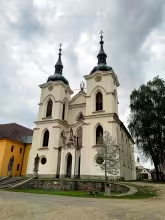
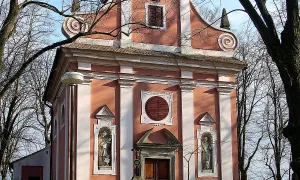
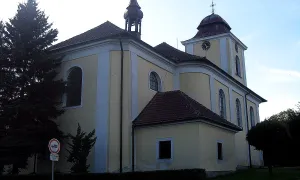
The Church of the Nativity of the Virgin Mary in Želiv is a prominent historical monument located within the former Premonstratensian monastery grounds. Founded in 1139 by Bishop Otto and Duke Soběslav I, it has undergone significant transformations over centuries. The most notable change occurred during a late Baroque reconstruction led by Jan Blažej Santini-Aichel between 1714 and 1720. In 2010, both the church and monastery were recognized as national cultural monuments of the Czech Republic.
The monument's origins date back to the early 12th century when Bohemia experienced significant ecclesiastical and political developments under Duke Soběslav I. The foundation by Bishop Otto and Duke Soběslav I in 1139 marked a period of increased monastic activity and church building, reflecting broader European trends in religious reform.
Architecturally, the Church has seen several transformations since its inception as a Romanesque structure. It later adopted Gothic style during the late Middle Ages. The most significant change occurred between 1714 and 1720 when Jan Blažej Santini-Aichel reconstructed it in the late Baroque style after a devastating fire in 1712.
Ownership of this monument has shifted over time, reflecting its turbulent history. Initially managed by Premonstratensian Canons from 1139, it was later taken by Trčkové z Lípy after the Hussite Wars until 1623. In 1623, Strahov Monastery acquired the site when Abbot Kašpar z Questenberka purchased it for 18,000 gold coins.
Key historical events have shaped the church's narrative. Its foundation by Bishop Otto and Duke Soběslav I in 1139 set its ecclesiastical course. A pivotal moment occurred in 1714 when reconstruction began under Jan Blažej Santini-Aichel after a fire had destroyed much of the structure, marking the transition to its present-day architectural style.
Today, the Church stands as a testament to centuries of history and resilience. Visitors can explore this site within the picturesque landscape of rolling hills typical of the Vysočina region. Its rich historical tapestry and architectural beauty make it an essential destination for those interested in Czech cultural heritage.
The Church of the Nativity of the Virgin Mary in Želiv offers a unique glimpse into the past, showcasing the evolution of ecclesiastical architecture and the enduring legacy of its founders. Its recognition as a national cultural monument underscores its importance, inviting visitors to appreciate its historical significance and architectural splendor.
Historical milestones
- 1139
- Foundation of the monastery and church by Bishop Otto and Duke Soběslav I.
- 1714
- Reconstruction of the church in late Baroque style began under architect Jan Blažej Santini-Aichel.
Architectural development
The Church of the Nativity of the Virgin Mary has undergone significant architectural changes since its foundation. Initially built as a Romanesque structure, it was transformed into Gothic style in the late Middle Ages. The most notable reconstruction occurred between 1714 and 1720 when Jan Blažej Santini-Aichel redesigned it in a late Baroque style following a devastating fire.
Historical events
- 1139
- Foundation of the monastery and church by Bishop Otto and Duke Soběslav I.
- 1714
- Reconstruction of the church in late Baroque style began under architect Jan Blažej Santini-Aichel.
Points of interest
- Despite its current Baroque appearance, the Church of the Nativity of the Virgin Mary in Želiv originally had a Romanesque design, reflecting early 12th-century architectural trends before evolving into Gothic and then Baroque styles.
- The church's reconstruction by Jan Blažej Santini-Aichel was not only a response to a devastating fire but also an opportunity for him to experiment with innovative architectural designs that blended Gothic elements with Baroque flair.
Guide
Show guide text
Welcome to the Church of the Nativity of the Virgin Mary in Želiv, a remarkable testament to history and architectural evolution nestled within the grounds of what was once a vibrant Premonstratensian monastery. As you stand here, take a moment to absorb your surroundings: the grandeur of its late Baroque façade, an artistic expression that invites both awe and curiosity.
The origin of this sacred site dates back to 1139 when Bishop Otto and Duke Soběslav I laid its foundations. Initially serving as a monastery church, it was part of a broader vision to establish a spiritual haven in the heart of Želiv. Over centuries, this place has witnessed transformations that speak volumes about its resilience and adaptability.
As you gaze upon the structure before you, notice how its current form is a harmonious blend of history and artistry, primarily shaped by the late Baroque reconstruction led by Jan Blažej Santini-Aichel in 1714. The church's architecture invites you to explore its intricate details—observe how light dances across surfaces, creating an atmosphere that transcends time.
This site is not just about its physical beauty; it's a canvas of stories and personalities who have left their mark on history. Bishop Otto and Duke Soběslav I were visionaries whose ambitions gave birth to this spiritual landmark. Later, the artistic genius of Jan Blažej Santini-Aichel would redefine its aesthetic, embedding his legacy within its walls.
Now, let your curiosity lead you to one of Želiv's intriguing mysteries: despite its Baroque elegance today, the church originally embraced a Romanesque design, reflecting the architectural trends of the early 12th century. This evolution from Romanesque through Gothic to Baroque styles is a journey through time itself.
As our brief exploration comes to an end, I invite you to linger in this space, letting your imagination wander through its corridors of history. Each stone and archway holds stories waiting to be discovered. Thank you for joining me on this journey, and may your visit inspire a deeper appreciation for the layers of history that surround us.
---
This text is crafted to guide listeners through an immersive experience at the Church of the Nativity of the Virgin Mary in Želiv, highlighting its historical significance, architectural beauty, and intriguing evolution.
Tips for visitors
The best time to visit the Church of the Nativity of the Virgin Mary in Želiv is during late spring or early autumn, when the weather is pleasant, and the rolling hills surrounding the area are lush with greenery. This period offers a serene atmosphere for exploring the historical site and enjoying the picturesque landscape. Additionally, visiting outside of peak tourist seasons can provide a more tranquil experience, allowing you to appreciate the architectural beauty without large crowds.
Parking and transportation options at Želiv include both car parking facilities near the site and public transport access. Visitors driving from nearby cities should find ample parking space available; however, it's advisable to check for any local events that might affect availability. Public transport is also a viable option, with buses connecting major towns in the Vysočina region to Želiv. For the most current transportation schedules and routes, consult an online travel planner or contact local tourist information centers.
When visiting the Church of the Nativity of the Virgin Mary, it's recommended to bring comfortable walking shoes as you'll likely explore both the church grounds and surrounding historical remnants of the monastery complex. Weather-appropriate clothing is also advisable, especially if planning to spend time outdoors in the area's natural landscape. A camera or smartphone with a good camera can help capture the stunning views and architectural details, while a water bottle will keep you hydrated during your visit.
Photography enthusiasts will find several spots around the Church of the Nativity of the Virgin Mary that offer excellent lighting and picturesque backdrops, especially during the golden hours of early morning or late afternoon. The church itself provides beautiful interior shots with its historical architecture, while the surrounding hills and remnants of the monastery complex make for stunning exterior photography. Be mindful of any restrictions on photography within certain areas to preserve the site's integrity.
For families visiting Želiv, there are several activities that can enrich your experience. The nearby remnants of the former Premonstratensian monastery offer a glimpse into the area’s rich history and provide an educational opportunity for children interested in medieval architecture and monastic life. Additionally, exploring the rolling hills around Želiv can be both fun and relaxing, with opportunities for picnics or gentle hikes suitable for all ages. Remember to check if there are any family-friendly events or guided tours available during your visit.
Businesses nearby
Do you run a restaurant, accommodation, shop, museum, rental, wellness or other visitor service near this monument? Show yourself directly to the people heading to it — this is how they will see you in the app and on the web:
Nearby
Želiv is located within a picturesque landscape of rolling hills typical of the Vysočina region. The area features several other historical sites, including remnants of the former monastery complex.
Accommodation nearby
Themed route
Thematic Walking Tour: The Želiv Monastery Complex
1. Kostel Narození Panny Marie v Želivi (Monastic Church) - Begin your journey at the heart of the Želiv Monastery complex, the Kostel Narození Panny Marie. This stunning Gothic church is renowned for its architectural beauty and historical significance as a former Cistercian monastery church. The church's interior features exquisite frescoes and intricate stonework that reflect centuries of religious artistry.
2. Remains of the Monastery Complex (Historical Ruins) - A short walk from the church, explore the remnants of the former monastic buildings. These ruins offer a glimpse into the past life of the monastery, showcasing the scale and grandeur of what once was one of the most important Cistercian abbeys in the region. The site provides an evocative atmosphere for reflection on medieval monastic life.
3. Monastery Garden (Historical Garden) - Adjacent to the ruins, visit the Monastery Garden. This serene space offers a peaceful retreat amidst nature and history. The garden's layout reflects its historical roots, providing visitors with an opportunity to appreciate how monastic communities harmonized their spiritual practices with the natural world.
4. Monastery Chapel (Chapel) - Conclude your tour at the Monastery Chapel, a smaller yet equally significant structure within the complex. The chapel is known for its intimate setting and beautiful acoustics, making it an ideal spot to reflect on the spiritual heritage of Želiv. Its simple elegance offers a perfect endnote to your exploration of this historic site.
This thematic tour through the Želiv Monastery Complex provides a comprehensive experience of its historical and cultural significance, allowing visitors to immerse themselves in the rich tapestry of medieval monastic life.
Seasonal recommendations
Spring: Visiting the Church of the Nativity of the Virgin Mary in Želiv during spring offers a unique experience as nature awakens around this historic site. The blooming flowers and lush greenery create a vibrant backdrop, enhancing the church's serene atmosphere. As daylight lengthens, the natural light beautifully illuminates the intricate details of the architecture. Visitors should be prepared for occasional showers, so wearing layers is advisable. While the crowds are generally moderate, arriving early in the morning can provide a quieter experience to fully appreciate the tranquil setting.
Summer: Summer at the Church of the Nativity of the Virgin Mary in Želiv is characterized by long days and warm weather, making it an ideal time for exploration. The lush surroundings are particularly inviting, with gardens full of life and color. This period often sees higher visitor numbers due to its appeal during school holidays, so planning a visit early in the day can help avoid crowds. Comfortable walking shoes and light clothing are recommended, along with sun protection such as hats or sunscreen, to ensure an enjoyable experience.
Autumn: The autumn season brings a stunning display of colors to the Church of the Nativity of the Virgin Mary in Želiv, with vibrant reds, oranges, and yellows adorning the landscape. This picturesque setting offers a magical atmosphere perfect for photography enthusiasts. As temperatures begin to cool, layers are advisable to stay comfortable during your visit. The visitor numbers tend to decrease compared to summer, allowing for a more relaxed exploration of the site's historic charm.
Winter: Winter transforms the Church of the Nativity of the Virgin Mary in Želiv into a serene and peaceful retreat, often covered in a blanket of snow that enhances its architectural beauty. The shorter days mean earlier closures, so visitors should plan their visit accordingly to make the most of daylight hours. Wearing warm clothing is essential to enjoy the site comfortably during this cooler season. Although fewer people visit during winter, it provides an opportunity for a more intimate experience with the historic surroundings.
Visualizations and artistic views

Vizualizace jsou generovány umělou inteligencí a slouží jako inspirace.


Tips from visitors
No tips yet. Be the first!
Log in and add your tip.
Location on the map


Příběhy a pověsti
Legendy, pověsti a příběhy spjaté s touto památkou
Reviews and comments