





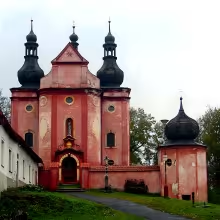
The Church of the Nativity of the Virgin Mary in Strašín is a remarkable cultural monument near Sušice in Plzeňský kraj. Originally built as a Romanesque single-nave church around the mid-13th century, it underwent significant transformations during the Gothic and Baroque periods to become a three-nave basilica. This church stands out for its architectural evolution and houses the valuable Gothic sculpture of Strašínská Madonna, donated by Půta Švihovský z Rýzmberka in the late 15th century.
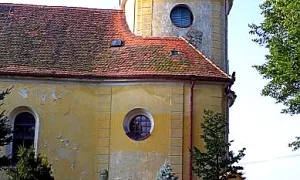
The origins of this church trace back to the mid-13th century when it was constructed as a Romanesque structure. During this period, Bohemia experienced significant architectural developments, transitioning from Romanesque to Gothic styles. The initial design featured a single nave typical of Romanesque architecture. Over time, it underwent Gothic and Baroque renovations that expanded its form into a three-nave basilica. These transformations included the addition of side naves with cross vaults and polygonal walls, reflecting architectural trends of those eras.
Architecturally, the Church of the Nativity of the Virgin Mary is notable for its blend of styles. The original Romanesque elements are evident in its medieval character, particularly within the interior. Despite Baroque renovations, the church retains much of its historical essence. The main altar showcases Baroque artistry with two spiral and two smooth columns topped by Corinthian capitals supporting a robust wavy cornice. This altar also features dynamic sculptures of angels, as well as life-sized figures of saints Peter and Paul, alongside statues of John the Baptist and John Nepomucene. At its center is the Strašínská Madonna, a Gothic sculpture that stands out as one of the most valuable religious artifacts in the region.
Throughout its history, the church has been associated with notable figures such as Půta Švihovský z Rýzmberka, who played a significant role in its cultural heritage by donating the Strašínská Madonna. This act not only enriched the church's artistic collection but also highlighted the influence of noble families like the Švihovskýs in regional religious and cultural patronage during that era.
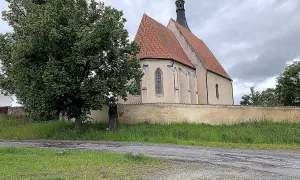
The church is part of an area rich with historical fortifications, including preserved sections of original walls and towers. These features add to its significance as a site of architectural and historical interest. The surrounding landscape includes a Marian garden with a chapel located behind the church, enhancing its spiritual and aesthetic appeal.
Today, the Church of the Nativity of the Virgin Mary remains an accessible monument that attracts visitors interested in its unique blend of Romanesque, Gothic, and Baroque architecture. Its well-preserved medieval interior and valuable art pieces make it a worthwhile destination for those exploring the cultural heritage of Plzeňský kraj.
Visiting this church offers a glimpse into the architectural evolution and historical narratives that have shaped this region over centuries. It stands as a testament to the artistic and religious influences that have left an indelible mark on its structure, inviting visitors to appreciate its enduring legacy.
Historical milestones
- c. 1250
- The original building as a single-story Romanesque church.
- Late phase of the 15th century
- The donation of the Strašínská Madona by Půta Švihovský z Rýzmberka.
- Medieval period
- Transition from Romanesque to Gothic architectural elements.
- Gothic and Baroque periods
- Transformation into a three-story basilica with the addition of side aisles.
Architectural development
The Church of the Nativity of the Virgin Mary began as a Romanesque structure in the mid-13th century. It was later expanded into a three-nave basilica during Gothic and Baroque renovations, featuring side naves with cross vaults and polygonal walls. The church's interior retains its medieval character, while the main altar showcases baroque elements.
Historical events
13th century: Original Romanesque church construction
Late 15th century: Donation of the Strašínská Madonna by Půta Švihovský z Rýzmberka
Points of interest
- The Church of the Nativity of the Virgin Mary in Strašín is unique for its blend of architectural styles; it started as a Romanesque structure and later incorporated Gothic and Baroque elements, reflecting broader European trends during those periods.
- Despite undergoing significant renovations, including the addition of side naves with cross vaults typical of Gothic architecture, the church retains much of its original medieval character within its interior, offering a rare glimpse into architectural evolution over centuries.
Guide
Show guide text
Welcome to the Church of the Nativity of the Virgin Mary in Strašín, a remarkable testament to architectural evolution nestled near Sušice in Plzeňský kraj. As you stand before this cultural monument, take a moment to absorb its grandeur—a harmonious blend of Romanesque beginnings with Gothic and Baroque flourishes that have stood the test of time.
This sacred site traces its origins back to around 1250 when it was first constructed as a simple Romanesque single-nave church. Over the centuries, it underwent significant transformations, evolving into the stunning three-nave basilica you see today. As you gaze at the structure, notice how the original fortifications have been preserved, with polygonal walls and towers that speak to its storied past.
Now, let's delve deeper into its history. The 15th century marked a pivotal moment for this church when it received the Strašín Madonna from Půta Švihovský z Rýzmberka—a gesture reflecting both devotion and prestige. This period also saw the transition from Romanesque to Gothic architectural elements, as craftsmen of the time infused the structure with pointed arches and ribbed vaults characteristic of the Gothic style.
As you walk around, pay attention to how these different styles coexist within this space. The church's architecture is a narrative in stone, telling tales of medieval craftsmanship and artistic evolution. Notice how the addition of side aisles during its transformation into a three-nave basilica expanded not just its physical dimensions but also its spiritual capacity.
Among the key figures associated with this site is Půta Švihovský z Rýzmberka, whose influence extended beyond mere patronage to leave an indelible mark on Strašín's cultural heritage. His donation of the Madonna highlights a time when art and faith intertwined, enriching both the church's aesthetic and its community.
One intriguing aspect of this church is its unique blend of architectural styles—a rare fusion that mirrors broader European trends during these periods. Despite undergoing significant renovations, it retains elements from each era, creating an eclectic yet cohesive whole.
As you continue your exploration, let yourself be drawn into the layers of history embedded within these walls. Each stone tells a story, inviting you to ponder the lives and times of those who came before. This church is not just a building; it's a living chronicle of faith, artistry, and transformation.
We invite you to linger here for a while longer, to explore every corner and uncover more secrets that this remarkable monument holds. Thank you for joining us on this journey through time at the Church of the Nativity of the Virgin Mary in Strašín. May your visit inspire curiosity and wonder as you continue your exploration of this historic site.
Tips for visitors
The best time to visit the Church of the Nativity of the Virgin Mary in Strašín is during late spring or early autumn. During these seasons, the weather is typically mild, and you can enjoy the surrounding landscape with its historical fortifications and Marian garden without the crowds that often accompany peak tourist seasons. The natural light during this time also enhances the beauty of the church's architecture.
Parking and transportation options are convenient for visitors to Strašín. There are parking facilities available nearby, making it accessible by car. Additionally, public transport is an option; you can use regional buses or trains that connect Sušice with surrounding areas. For the most current routes and schedules, check a local travel planner or online resource.
When visiting the church, consider bringing comfortable walking shoes as there may be some uneven paths, especially if exploring the nearby historical fortifications. A camera is recommended to capture the stunning views of the church and its surroundings, particularly during golden hour when the light accentuates the architectural details beautifully. Don't forget a hat or sunscreen for protection against the sun.
For families with children, Strašín offers a delightful experience. The area around the church includes open spaces perfect for kids to explore safely. The historical fortifications provide an interesting backdrop for family photos and can be a fun educational outing as well. Additionally, the Marian garden is a peaceful spot where children can enjoy nature and perhaps even find inspiration in its serene setting.
Businesses nearby
Do you run a restaurant, accommodation, shop, museum, rental, wellness or other visitor service near this monument? Show yourself directly to the people heading to it — this is how they will see you in the app and on the web:
Nearby
Located near Sušice in Plzeňský kraj, the church is part of an area with historical fortifications and a Marian garden featuring a chapel. The surrounding landscape includes preserved sections of original fortifications.
Accommodation nearby
Themed route
Thematic Walking Tour: Strašín and Its Historical Fortifications
1. Kostel Narození Panny Marie (Strašín) - Type: Church - Why Visit: Begin your journey at the heart of this historic site, the Church of the Nativity of the Virgin Mary in Strašín. This architectural gem offers a glimpse into the region's rich religious heritage and stands as a testament to the area's historical significance.
2. Marian Garden with Chapel - Type: Garden - Why Visit: A short walk from the church, this serene Marian garden features a charming chapel that provides a peaceful retreat amidst beautifully preserved landscapes. It’s perfect for those who appreciate tranquility and spiritual reflection.
3. Preserved Fortifications - Type: Historical Site - Why Visit: Explore the remnants of Strašín's original fortifications, which offer insight into the strategic importance of this location throughout history. These preserved sections highlight the area’s defensive past and provide a unique opportunity to walk through time.
This tour offers a concise yet enriching exploration of Strašín's historical and cultural landmarks, ensuring visitors experience both its spiritual and architectural heritage.
Seasonal recommendations
Spring: Visiting the Church of the Nativity of the Virgin Mary in Strašín during spring offers a unique experience as nature awakens around this historic site. The surrounding landscape is transformed with blooming flowers and lush greenery, creating a picturesque backdrop that enhances the beauty of the church. The gentle warmth of the sun often provides ideal lighting for photography, capturing the intricate details of the architecture in soft, natural light. Visitors should consider wearing comfortable layers as temperatures can fluctuate between mild days and cooler evenings. While crowds are generally manageable, arriving early allows you to enjoy a quieter visit before more tourists arrive.
Summer: The summer months bring vibrant life to Strašín's Church of the Nativity of the Virgin Mary, with long daylight hours offering ample time for exploration. This is the peak tourist season, so expect larger crowds as visitors flock to experience the church in its full glory under bright sunlight. The lush greenery surrounding the site provides a refreshing contrast to the warm weather, making it an ideal time for outdoor activities before or after your visit. To avoid the busiest times, consider visiting early in the morning or later in the afternoon when temperatures are more comfortable and crowds have thinned.
Autumn: Autumn is a magical season to visit the Church of the Nativity of the Virgin Mary, with Strašín's landscape painted in warm hues of reds, oranges, and yellows. The falling leaves create a serene atmosphere that complements the historic charm of the church. Cooler temperatures make for pleasant walking conditions as you explore the area, though it’s wise to bring a light jacket for those crisp autumn days. This time of year tends to be quieter than summer, offering a more tranquil experience with fewer visitors and a chance to appreciate the natural beauty in peace.
Winter: The Church of the Nativity of the Virgin Mary takes on an enchanting character during winter, when snow often blankets Strašín, adding a layer of quiet majesty to the historic site. The stark contrast between the white landscape and the church's architecture creates striking visual effects, especially under soft winter sunlight or against a clear blue sky. Visitors should dress warmly in layers, as temperatures can be quite cold, and carry gloves and hats for added comfort. It’s important to check opening hours, which may vary during this season due to shorter days and potential weather-related closures. Despite the chill, the atmosphere is serene, with fewer tourists allowing for a more intimate experience of the church's beauty in winter.
Visualizations and artistic views

Vizualizace jsou generovány umělou inteligencí a slouží jako inspirace.


Tips from visitors
No tips yet. Be the first!
Log in and add your tip.



Reviews and comments