





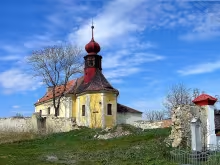
The Church of the Nativity of the Virgin Mary in Mory is a Roman Catholic parish church showcasing Gothic and Baroque styles. Situated near the village square in Mory, within the Podbořany district of Ústecký kraj, it has been protected since 1964 for its cultural significance. Built in the mid-14th century, it features typical Gothic elements like ribbed vaults and a triumphal arch. During the Baroque period, significant expansions enhanced its architectural complexity.
The earliest documented mention dates to January 1358 when a priest from Mory served in Libědice. However, earlier references in sources like Rottova vlastivěda lack concrete evidence. Historically, it experienced various religious influences, including Utraquist clergy management during the late 15th and early 16th centuries. The Thirty Years' War caused minimal damage, allowing regular masses to continue. In 1623, Jaroslav Bořita z Martinic acquired Mory and commissioned a bell for the church in 1626.
Architecturally, it features a single-nave design with a five-sided presbytery. Original Gothic elements include ribbed vaults and a triumphal arch within the presbytery. A mid-18th-century renovation extended the nave westward, added a new roof, sacristy, windows, and a wooden porch at the southern entrance. The exterior boasts segmental windows and pilasters.
Ownership shifted dramatically when Jaroslav Bořita z Martinic acquired Mory in 1623, marking a Catholic resurgence period. He commissioned the church’s bell, reflecting broader religious changes post-Protestant Reformation. The church's fortunes evolved as it became part of different parishes until its parish was re-established in 1695.
The church houses several notable features and artifacts, including a Renaissance baptismal font from 1598 with early 17th-century inscriptions. Two side altars from the first third of the 18th century are present: one dedicated to the Virgin Mary and another to Saint Philip, featuring period artwork. The church also boasts a pulpit decorated with sculptures of the evangelists.
Today, while not regularly used for services, it remains accessible to visitors interested in its historical and architectural significance. Its preservation as a cultural monument underscores its regional heritage importance. The serene setting near an old disused cemetery adds charm, while a nearby 18th-century statue of Saint John Nepomucene by a pond enhances the site's spiritual ambiance.
Visitors are invited to explore this remarkable blend of Gothic and Baroque architecture, offering insights into Mory’s historical and cultural evolution. Its rich history and preserved artifacts make it a worthwhile destination for those interested in religious heritage and architectural beauty.
Historical milestones
- 1358
- The first documented mention of a priest from Mory serving as a new parish priest in Libědice.
- 1626
- Jaroslav Bořita z Martinic commissioned the church's bell.
Architectural development
The original parts of the church from the mid-14th century include the presbytery with its ribbed vault and triumphal arch. In the mid-18th century, a significant renovation extended the nave westward, added a new roof, sacristy, and windows. A wooden porch was later constructed in front of the southern entrance.
Historical events
In 1623, Mory was acquired by Jaroslav Bořita z Martinic, who commissioned the church's bell in 1626.
The Thirty Years' War did not significantly damage the church, allowing masses to continue being held there.
Points of interest
- The Church of the Nativity of the Virgin Mary in Mory is one of the few churches that have experienced both Utraquist and Catholic influences, reflecting a unique blend of religious practices during its history.
- Despite being built in the mid-14th century, the church's earliest documented mention dates back to 1358, indicating it was already significant enough for historical records at such an early stage.
Guide
Show guide text
Welcome to the Church of the Nativity of the Virgin Mary in Mory, a remarkable testament to the rich tapestry of history and architecture nestled within this picturesque village square. As you stand before this majestic structure, you're enveloped by an aura that whispers tales from centuries past. The church, with its serene presence, invites you into a journey through time.
The Church of the Nativity of the Virgin Mary in Mory is steeped in history, tracing its origins back to the Gothic era around the mid-14th century. It has since evolved, embracing Baroque expansions that have added layers of complexity and beauty to its form. The church's narrative began with a significant mention in 1358 when a priest from Mory was documented serving as a new parish priest in Libědice, marking the community's longstanding spiritual significance.
As you gaze upon this architectural marvel, note its single-nave structure complemented by a distinctive five-sided presbytery. This design choice not only enhances the church’s aesthetic appeal but also reflects the historical transitions it has undergone. The building stands as a silent guardian of history, surrounded by an old disused cemetery that adds to its mystique and solemnity.
Delving deeper into its past, one cannot overlook the pivotal role played by Jaroslav Bořita z Martinic in 1626 when he commissioned the church's bell. This act was not merely about adding a new feature but symbolized the intertwining of personal legacy with communal faith, marking an era where individual contributions shaped collective history.
What makes this church particularly fascinating is its unique position as one of the few churches to have experienced both Utraquist and Catholic influences. This duality in religious practices during its history paints a vivid picture of the shifting spiritual landscape over centuries, making it a living museum of faith's evolution within the region.
As you continue your exploration, let yourself be drawn into the church’s embrace, reflecting on the layers of stories embedded within its walls. Each stone and archway is a testament to resilience, adaptation, and the enduring spirit of community that has thrived here for centuries.
We invite you to linger a while longer, to wander around this historic site, and perhaps discover more about the village of Mory itself. As your audio guide concludes, we hope this visit has sparked curiosity and appreciation for the rich tapestry of history and culture embodied by the Church of the Nativity of the Virgin Mary in Mory. Thank you for allowing us to accompany you on this journey through time.
Tips for visitors
The best time to visit the Church of the Nativity of the Virgin Mary in Mory is during late spring or early autumn. During these seasons, the weather is typically mild, making it ideal for exploring both the church and its surroundings without the discomfort of extreme temperatures. Additionally, visiting outside of peak tourist season can provide a more serene experience, allowing you to appreciate the architectural details and historical significance of the site in peace.
Parking and transportation options are convenient for visitors to Mory. The village square, near which the church is located, offers parking facilities that should accommodate most vehicles. For those preferring public transport, it's advisable to check current routes as they can provide a direct connection to the area. This flexibility makes visiting the church accessible whether you're driving or using local transportation services.
When planning your visit, consider bringing comfortable walking shoes and weather-appropriate clothing, especially if you plan to explore beyond the church itself. A camera is also recommended, as capturing the intricate Gothic and Baroque architectural details can be rewarding. Additionally, carrying a water bottle and some snacks could enhance your experience, particularly on warmer days.
Photography enthusiasts will find several spots around the Church of the Nativity of the Virgin Mary ideal for capturing its beauty. The early morning or late afternoon light offers soft illumination that highlights the church's architectural features. Positioning yourself to capture the contrast between the Gothic and Baroque elements can result in striking images. Remember, while photography is encouraged, it’s always good practice to check if there are any restrictions on flash use inside.
For families with children visiting the Church of the Nativity of the Virgin Mary, the nearby village square offers a pleasant area for a leisurely stroll or picnic after exploring the church. The serene environment can be a great opportunity for kids to explore and learn about local history in an engaging way. Additionally, considering a visit within 30 minutes to other historical sites or natural landscapes around Mory could provide a varied experience that keeps children entertained while offering educational value.
Businesses nearby
Do you run a restaurant, accommodation, shop, museum, rental, wellness or other visitor service near this monument? Show yourself directly to the people heading to it — this is how they will see you in the app and on the web:
Accommodation nearby
Themed route
Tematická výletní trasa: Kostel Narození Panny Marie (Mory)
1. Kostel Narození Panny Marie *Typ:* Historická památka *Proč stojí za návštěvu:* Tento barokní kostel, postavený v 18. století, je architektonickou perli obce Mory. Jeho bohaté interiéry a historie nabízejí pohled na minulost této části Ústeckého kraje.
2. Obecní úřad Mory *Typ:* Historický stavební objekt *Proč stojí za návštěvu:* Nachází se v centru obce a je příkladem místní architektury. Jeho historie odráží rozvoj Mory po celé století, což poskytuje zajímavý kontext k kostelu.
3. Kaple svatého Jana Nepomuckého *Typ:* Kaple *Proč stojí za návštěvu:* Tato kaple je dalším důležitým náboženským a historickým místem v Mory. Je známá svou architekturou a tradicemi spojenými s místní komunitou.
4. Náves obce Mory *Typ:* Historické náměstí *Proč stojí za návštěvu:* Náves je centrem obecního života a nabízí pohled na tradiční domy a architekturu. Je ideálním místem pro relaxaci a pochopení dnešního i historického charakteru Mory.
5. Památník válečných obětí *Typ:* Památník *Proč stojí za návštěvu:* Tento památník je významným místem pro vzpomínku na historické události a osudy obyvatel Mory. Poskytuje hluboký pohled do minulosti a připomíná důležitost míru.
Tato trasa nabízí komplexní pohled na kulturní a historické aspekty obce Mory, s důrazem na její náboženskou a architektonickou tradici.
Seasonal recommendations
Spring: The Spring season at the Church of the Nativity of the Virgin Mary (Mory) is marked by a vibrant display of wildflowers and lush greenery surrounding the church, creating a picturesque setting that enhances the historical charm of the site. As daylight hours increase, the natural light beautifully illuminates the intricate architectural details of the church, offering visitors an opportunity to appreciate its features in a serene atmosphere. During this time, it's advisable to wear comfortable layers as temperatures can vary, and early morning visits are recommended to avoid larger crowds that gather later in the day.
Summer: In summer, Mory's Church of the Nativity of the Virgin Mary benefits from long daylight hours, allowing visitors ample time to explore both the church and its surroundings. The warm weather invites guests to enjoy outdoor activities nearby, such as picnicking or walking through the verdant landscapes that enhance the area’s charm. However, summer can also bring larger crowds due to peak tourist season, so it's best to arrive early in the morning to secure a more tranquil experience. Light clothing is recommended, along with sun protection.
Autumn: Autumn transforms Mory into a tapestry of warm hues, as leaves change color and create a stunning backdrop for the Church of the Nativity of the Virgin Mary. The cooler temperatures make it an ideal time for leisurely exploration without the summer heat, while shorter days mean that natural lighting is softer, casting a cozy glow over the church’s architecture. This season often sees fewer visitors, allowing for a more intimate experience. Dressing in layers and carrying a light jacket can ensure comfort as temperatures drop.
Winter: Winter at Mory offers a unique charm with snow potentially blanketing the landscape around the Church of the Nativity of the Virgin Mary, providing a magical setting that enhances its historic beauty. The shorter days mean that visits should be timed to make the most of available daylight, and the church may have reduced opening hours due to the season. It's important to dress warmly in layers and wear sturdy footwear for navigating snow-covered paths. Despite potentially fewer visitors during this time, it’s wise to check ahead for any seasonal closures or changes in access.
Visualizations and artistic views

Vizualizace jsou generovány umělou inteligencí a slouží jako inspirace.


Tips from visitors
No tips yet. Be the first!
Log in and add your tip.



Reviews and comments