






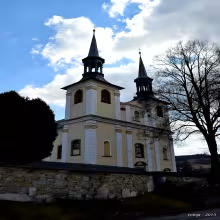
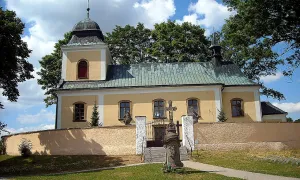
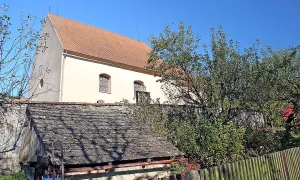
The Church of the Assumption of the Virgin Mary in Orlice is a significant religious monument located in Letohrad, Pardubický kraj, Czech Republic. Originating from the early 18th century, it stands on a site that previously hosted two older churches and has been protected as a cultural heritage site since 1964. This church features three altars and was adorned with a richly decorated Baroque Stations of the Cross by Johann Bergl in 1759, making it notable for its historical and artistic significance.
The origins of this monument trace back to at least the 14th century when the first church on this site existed in Orlice. However, it was destroyed during the Hussite Wars. A new church was constructed after 1450 for followers of the Czech Brethren, a Protestant movement that emerged from the Hussite tradition. This second church had its own set of bells dating back to 1497 and 1498, which have been preserved to this day. Following the Battle of White Mountain in 1620, the Orlický kostel was left abandoned as the parish was relocated to Lukavice, possibly due to the strong Czech Brethren tradition associated with it.
The current Baroque church was constructed beginning in 1709 when Andreas Casteli laid its foundation stone. The architectural style reflects the Baroque influences prevalent during this period, characterized by dramatic expressions and elaborate ornamentation. By 1759, the church had been further enhanced with a series of paintings for the Stations of the Cross, created by Johann Bergl, a court painter to Empress Maria Theresa. These artworks were installed in richly decorated Rococo frames, adding to the church's artistic value.
Over time, the Church of the Assumption underwent significant changes, particularly during an interior reconstruction in 2009. This renovation involved repainting, new lighting installations, and sound systems, along with a reorientation of its interior layout. Traditional side altars and the pulpit were removed, while the Stations of the Cross paintings were restored between 2010 and 2018 by Šárka and Petr Bergerovi. These restored artworks were later exhibited in Olomouc, highlighting their cultural importance.
Today, the Church of the Assumption stands as a testament to its rich history and artistic heritage. Visitors can appreciate its Baroque architecture and the meticulously restored Stations of the Cross paintings. The church remains accessible to those interested in exploring its historical significance and enjoying its serene atmosphere. Its preservation as a cultural monument ensures that future generations will continue to value this remarkable site.
The Church of the Assumption of the Virgin Mary in Orlice offers a unique glimpse into the religious and artistic history of the region, making it a worthwhile destination for anyone interested in Baroque architecture and Czech heritage. Visitors are invited to explore its storied past and appreciate the beauty that has been preserved through centuries of change.
Historical milestones
- kolem 1350
- The first church on the site was destroyed during the Hussite Wars.
- po 1450
- A new church was built for members of the Czech Brotherhood.
- 1497
- Bells dated to 1497 and 1489 have been preserved.
- 1620
- The church was abandoned after the Battle of White Mountain.
- 1709
- Laying of the foundation stone for the current Baroque church.
- 1759
- The Baroque Way of the Cross was built by Johann Bergl.
Architectural development
Initially built in the early 18th century, the Church of the Assumption underwent significant interior reconstruction in 2009. This included repainting, new lighting, and sound systems, along with a reorientation of its interior layout. The traditional side altars and pulpit were removed, and the Stations of the Cross paintings were restored between 2010 and 2018.
Historical events
The first church on this site existed in Orlice as early as the 14th century, but it was destroyed during the Hussite Wars. A new church was built after 1450 for Czech Brethren followers.
In 1709, the foundation stone of the current Baroque church was laid by Andreas Casteli.
The Stations of the Cross were installed in 1759 with paintings by Johann Bergl.
Points of interest
- The Church of the Assumption of the Virgin Mary in Orlice has a history spanning several centuries, with its origins dating back to at least the 14th century. It was originally destroyed during the Hussite Wars, highlighting the turbulent religious conflicts of that era.
- After the Battle of White Mountain in 1620, the church was abandoned due to its association with the Czech Brethren, a Protestant movement rooted in the Hussite tradition. This reflects the shifting religious landscape and political dynamics following the battle.
Guide
Show guide text
Welcome to the Church of the Assumption of the Virgin Mary in Orlice, a remarkable testament to faith and history nestled within Letohrad, Pardubický kraj. As you stand before this majestic structure, imagine yourself transported back through centuries, where each stone tells a story of resilience and devotion.
The origins of this sacred site can be traced back to the early 14th century when it first emerged as a place of worship during tumultuous times. Its initial incarnation was not spared by the chaos of the Hussite Wars in the mid-1400s, leading to its destruction amidst religious upheaval. But from these ashes rose a new church around 1450 for members of the Czech brotherhood, signifying a rebirth and a steadfast commitment to spiritual community.
Fast forward to 1620, after the Battle of White Mountain, the church was abandoned, marking another pause in its vibrant history. However, this silence was broken in 1709 when the cornerstone of today's baroque masterpiece was laid, heralding an era of architectural splendor and renewed faith. By 1759, Johann Bergl had completed the richly decorated Baroque Stations of the Cross, adding layers of intricate beauty for all to behold.
As you gaze upon this structure, take a moment to appreciate its architectural elegance. The church stands as a testament to baroque artistry, with three altars that invite contemplation and reverence. Its history is etched into every detail, from the preserved bells dating back to 1497 and 1498, echoing tales of yesteryears, to the carefully crafted Stations of the Cross that guide the faithful on their spiritual journey.
While many historical figures associated with this church remain unnamed, the stories embedded in its walls speak volumes. The resilience shown through centuries—from surviving the Hussite Wars to emerging as a baroque jewel—reflects a community's enduring spirit and dedication.
One intriguing aspect of this church is its transformation over time. Imagine the site that once hosted two older churches now standing proudly with its baroque grandeur, protected since 1964 for future generations to cherish.
As you continue your exploration, let yourself be drawn into the rich tapestry of history surrounding this sacred place. Each step through its grounds offers a glimpse into the past and an invitation to reflect on the enduring power of faith and community.
Thank you for joining us on this journey through time at the Church of the Assumption of the Virgin Mary in Orlice. We hope it inspires you to delve deeper into its stories and perhaps return again, discovering new layers with each visit. Safe travels as you continue your exploration of Letohrad's treasures.
Tips for visitors
The best time to visit the Church of the Assumption of the Virgin Mary in Orlice is during spring or early autumn when the weather is mild, allowing for a comfortable exploration of both the church and its surroundings. These seasons offer pleasant temperatures and often vibrant natural landscapes that enhance the beauty of Letohrad. Additionally, visiting outside of peak tourist season can provide a more serene experience with fewer crowds.
Parking and transportation options are available for visitors to the Church of the Assumption of the Virgin Mary in Orlice. There is parking nearby where you can leave your vehicle; however, it's advisable to check local resources or maps for specific details on availability. Public transport can also be used to reach Letohrad, with various bus routes connecting major cities and towns. For the most current transportation options, consult a travel planner or online search tool.
When visiting the church, consider bringing comfortable walking shoes as you may want to explore the area around the monument. A camera is recommended for capturing the architectural details of the church, especially during golden hour when the light enhances the structure's features. Additionally, carrying water and some snacks can be helpful if you plan on spending several hours exploring.
Photography enthusiasts will find that the best spots to capture images of the Church of the Assumption of the Virgin Mary are from the front entrance or along the pathways surrounding it. Early morning or late afternoon light provides a soft glow, ideal for highlighting the church's intricate details and stonework. Be mindful of any photography restrictions inside the church.
For those interested in exploring nearby attractions within 30 minutes, consider visiting Letohrad Castle, which offers historical insights into the region’s past. The castle is located close to Orlice and provides a glimpse into medieval architecture and history. This makes it an excellent addition to your itinerary if you're interested in expanding your cultural exploration beyond the church.
Businesses nearby
Do you run a restaurant, accommodation, shop, museum, rental, wellness or other visitor service near this monument? Show yourself directly to the people heading to it — this is how they will see you in the app and on the web:
Accommodation nearby
Themed route
Tematická výletní trasa: Kostel Nanebevzetí Panny Marie (Orlice)
1. Kostel Nanebevzetí Panny Marie - Typ: Religiózní památka - Proč stojí za návštěvu: Tento barokní kostel je nejvýraznějším architektonickým dílem v obci Orlice. Jeho bohaté historie a umělecké prvky přitahují návštěvníky, kteří se zajímají o duchovní i kulturní dědictví regionu.
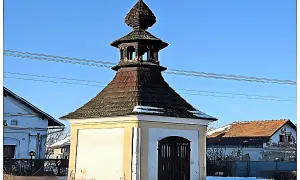
2. Kaple svatého Jana Nepomuckého - Typ: Kaple - Proč stojí za návštěvu: Nachází se v blízkosti kostela Nanebevzetí Panny Marie a je známá pro svou historickou architekturu. Je to místo klidu a útulku, kde můžete užít poklidné chvilky po návštěvě hlavního kostela.
3. Náves obce Orlice - Typ: Místní centrum - Proč stojí za návštěvu: Náves je srdcem místní komunity a nabízí příležitost prozkoumat tradiční český život. Zde najdete malé obchody a restaurace, kde můžete ocenit místní gastronomii.
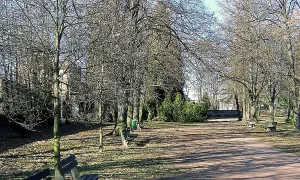
4. Městská zahrada - Typ: Park - Proč stojí za návštěvu: Tato malebná zahrada je ideálním místem pro relaxaci a procházku po návštěvě kostela. Je to místo, kde si můžete užít přírody a klidu v centru obce.
Tato trasa nabízí kombinaci duchovního zážitku s prozkoumáním místních kulturních a historických zajímavostí, což činí návštěvu Orlice plnou objevů.
Seasonal recommendations
Jaro: Návštěva Kostela Nanebevzetí Panny Marie v jarním období nabízí jedinečný zážitek, kdy se kostel objevuje v nádherném osvětlení slunečního svitu. Květiny a stromy kolem začínají kvést, což přidává barevnou atmosféru do okolí památky. V této sezóně je doporučeno navštívit kostel v rané jarní době, kdy jsou davy obvykle menší a teplota je příjemná. Dobrý den pro návštěvu může být odpoledne, kdy se slunce zvedne nad horizontem, což umožňuje plné oslavení jarního světla. Při navrhování oblečení je vhodné přinést mírné oblečení, protože teploty se mohou rychle měnit v této sezóně.
Léto: Létě je Kostel Nanebevzetí Panny Marie oblíbeným cílem pro návštěvníky kvůli svému klidnému prostředí a krásným výhledům na okolní krajinu. Vysoké slunce zvyšuje teplotu, což může vést k vyšší frekvenci návštěvníků během hlavní letní sezóny. Pokud plánuješ navštívit kostel v létě, je vhodné přijít brzy ráno nebo později odpoledne, abys se vyhnul horku a davům. Teplé oblečení s kravaty nebo šátky na hlavu je doporučeno pro ochranu proti slunečnímu záření, spolu s dostatkem pitné vody k udržení hydratace.
Podzim: V podzimu nabízí Kostel Nanebevzetí Panny Marie návštěvníkům klidnou a úlevu od letního horka. Lesy kolem kostela se barví v živých zbarveninách, což přidává do atmosféry pocit poklidné krásy. Toto je ideální čas pro návštěvu, protože davy jsou obvykle menší a teploty jsou mrazivé, ale stále pohodlné. Navrhuje se navštívit výhledy na kostel během pozdního odpoledne nebo brzkého večera, kdy je atmosféra klidná a osvětlení slunečním zářením je nejhezčí. Teplé oblečení je doporučeno, zejména v pozdním podzimu, kdy se teploty mohou snižovat.
Zima: Zimní návštěva Kostela Nanebevzetí Panny Marie nabízí úplně jiný zážitek s klidnou a tichou atmosférou. Střechy kostela mohou být pokryty sněhem, což přidává do obrazu půvabnost a posvátnost. Toto je čas, kdy jsou davy nejmenší, což umožňuje klidný procházku po kostele. V zimě se otevírací doba může být kratší kvůli nižším teplotám, takže je vhodné navštívit brzy ráno nebo včas večer. Teplé oblečení, včetně kožichu a klobouku, je nezbytné pro pohodlí během návštěvy, spolu s ochranou proti chladnému zimnímu vzduchu.
Visualizations and artistic views

Vizualizace jsou generovány umělou inteligencí a slouží jako inspirace.


Tips from visitors
No tips yet. Be the first!
Log in and add your tip.
Location on the map


Příběhy a pověsti
Legendy, pověsti a příběhy spjaté s touto památkou
Reviews and comments