





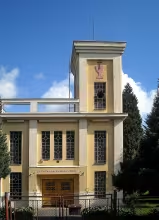
The Church of the Hussite Brethren in Doubrava is a significant religious monument located in Doubrava, Karviná District, Moravskoslezský kraj. Constructed in 1928, it stands as an important testament to the Hussite tradition within the Czechoslovak Hussite Church. The church was declared a cultural heritage site of the Czech Republic in 2001 due to its architectural and historical significance.
The origins of this monument trace back to 1921 when the Hussite Church was established in Doubrava, reflecting broader movements of national identity and religious reform during early 20th-century Czechoslovakia. The cornerstone for the church was laid on April 29, 1928, with its inauguration following on November 4, 1928, officiated by Bishop Ferdinand Stibor of the Czechoslovak Hussite Church. Architect Čeněk Volný designed and oversaw the construction, contributing to the modernist architectural style that characterizes the church.
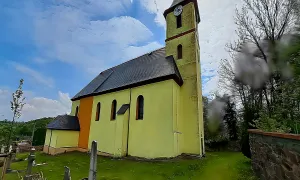
Architecturally, the church features a single-nave, non-orientated structure with reinforced concrete construction. Its design includes geometrically arranged glass windows set within metal frames, reflecting the modernist aesthetic of its time. The building has an oblong floor plan and is distinguished by a pyramidal tower at the southern corner of the southwest façade. This tower rises above the nave's level, with one window on each side. The church underwent significant interior renovations in 1966 and was reconstructed in 1998, reopening on October 25 of that year.
Throughout its history, the Church of the Hussite Brethren has been administered by the religious community of Orlová-Doubrava within the vicariate of Ostrava, Olomoucká diecéze. The church's interior includes furnishings from post-World War II and tiles from the 1990s, reflecting its ongoing use and adaptation over time.
A notable curiosity about this site is the Doubravská naučná stezka, a walking trail that passes by the church. This trail features an information panel dedicated to both the church and Jan Hus, providing visitors with historical context and insights into the Hussite tradition.
Today, the Church of the Hussite Brethren in Doubrava remains accessible to visitors interested in its architectural beauty and historical significance. Its status as a cultural heritage site underscores its importance within Czech religious history. The church offers a unique glimpse into the modernist design trends of the early 20th century while serving as a living testament to the enduring legacy of Jan Hus and the Hussite movement. Visitors are invited to explore this remarkable monument, which continues to be an integral part of Doubrava's cultural landscape.
Historical milestones
- 1921
- The Hussite Church was established in Doubrava.
- 1928
- Cornerstone laid and church inaugurated by Bishop Ferdinand Stibor.
- 1966
- Interior renovations were carried out.
- 1998
- The church was reconstructed and reopened.
Architectural development
The church's architecture is characterized by its single-nave, non-orientated structure with a flat roof and reinforced concrete construction. It underwent interior renovations in 1966 and a major reconstruction in 1998. The design includes geometrically arranged glass windows set within metal frames.
Historical events
In 1921, the Hussite Church was established in Doubrava.
The cornerstone for the church was laid on April 29, 1928, and it was inaugurated on November 4, 1928 by Bishop Ferdinand Stibor of the Czechoslovak Hussite Church.
A significant renovation took place in 1998, reopening the church on October 25.
Points of interest
- The Church of the Hussite Brethren in Doubrava was built during a period of significant national and religious reform in early 20th-century Czechoslovakia, reflecting broader movements for national identity. - Architect Čeněk Volný's modernist design incorporates geometrically arranged glass windows within metal frames, showcasing the innovative architectural trends of its time. - The church features a unique pyramidal tower at the southern corner of the southwest façade, which rises above the nave's level with one window on each side, adding to its distinctive appearance.
Guide
Show guide text
Welcome to the Church of the Hussite Brethren in Doubrava, a remarkable testament to history and architecture nestled in this serene corner of Moravskoslezský kraj. As you stand before its modernist façade, take a moment to absorb the unique blend of tradition and innovation that defines this sacred space.
The story of this church begins in 1921 when the Hussite Church was established here in Doubrava. This period marked significant national and religious reform across Czechoslovakia, as communities sought to redefine their identities amidst broader movements for change. By 1928, a cornerstone had been laid, marking the birth of what would become an architectural symbol of faith and resilience. Bishop Ferdinand Stibor inaugurated this structure, embedding within its walls the spirit of renewal that characterized early 20th-century Czechoslovakia.
Architect Čeněk Volný masterfully crafted this church with a modernist vision in mind. As you gaze upon it now, notice the reinforced concrete construction and the geometrically arranged glass windows that bathe the interior in natural light—a deliberate design choice to harmonize structure and spirituality. These elements not only define its aesthetic but also reflect the innovative spirit of its time.
The church has witnessed significant moments throughout its history, including interior renovations in 1966 and a comprehensive reconstruction in 1998, ensuring its legacy continues for future generations. While specific historical figures connected to these events remain unnamed, their contributions have undeniably shaped this sacred space into what it is today.
One of the most intriguing aspects of this church lies in its embodiment of the Hussite tradition within the Czechoslovak Hussite Church. It stands as a beacon of religious and national identity during a transformative era in Czech history. The modernist design by Čeněk Volný, with its unique blend of form and function, invites you to reflect on how architecture can capture the essence of an age.
As we conclude our brief journey through time and space at this historic site, I invite you to explore further and immerse yourself in the atmosphere that surrounds this architectural marvel. The Church of the Hussite Brethren in Doubrava is more than just a building; it's a narrative woven into the fabric of Czech history, waiting for you to uncover its stories.
Thank you for joining me on this exploration. May your visit inspire reflection and discovery as you continue to explore the rich tapestry of our shared heritage.
Businesses nearby
Do you run a restaurant, accommodation, shop, museum, rental, wellness or other visitor service near this monument? Show yourself directly to the people heading to it — this is how they will see you in the app and on the web:
Accommodation nearby
Themed route
Thematic Walking Tour: Doubrava and the Husite Church
1. Husova sboru Církve československé husitské v Doubravě (Church)** - Type: Religious Site - Why Visit: Begin your journey at this historic church, a central symbol of the Hussite movement in Moravia. Its architecture and serene atmosphere offer insight into the religious heritage that shaped this region.
2. Local Community Center** - Type: Cultural Venue - Why Visit: Located just a short walk from the church, the community center hosts exhibitions on local history and culture. It's an excellent place to learn about Doubrava’s traditions and contemporary life through interactive displays and events.
3. Doubrava Historical Walking Trail** - Type: Guided Tour/Trail - Why Visit: Follow this trail, which starts near the church, for a self-guided exploration of Doubrava's historical landmarks. The path offers informative plaques detailing significant local events and figures, providing context to the area’s rich past.
4. Local Artisan Workshop** - Type: Craftsmanship Site - Why Visit: End your tour at a nearby artisan workshop where you can witness traditional crafts being made. This stop offers a glimpse into the region's artistic heritage and allows visitors to appreciate the skills passed down through generations.
This thematic tour provides a comprehensive look at Doubrava’s cultural and historical landscape, focusing on its religious roots and local traditions.
Seasonal recommendations
Spring: Visiting Doubrava's Husova sboru Církve československé husitské church during spring offers a unique experience as the surrounding landscape bursts into vibrant colors with blooming wildflowers and fresh greenery. The natural light is softer, casting gentle shadows that enhance the intricate architectural details of the church. This season often sees fewer visitors compared to summer, making it an ideal time for those seeking a quieter exploration. It's recommended to wear comfortable layers as temperatures can vary, and carrying a light jacket might be useful during cooler mornings or evenings.
Summer: The summer months bring lively energy to Doubrava with longer daylight hours allowing visitors to fully appreciate the historic church under bright sunlight that highlights its architectural features. This is also when the area sees peak tourist activity, so arriving early in the day can help avoid larger crowds and ensure a more intimate experience. Lightweight clothing is advisable due to warmer temperatures, along with sun protection such as hats or sunglasses. Exploring nearby nature trails might be an enjoyable addition to your visit.
Autumn: Autumn transforms Doubrava into a picturesque setting with warm hues of reds, oranges, and yellows enveloping the church and its surroundings. The cooler weather provides a comfortable atmosphere for walking around and exploring the area without the summer heat. This season is less crowded than summer, offering a serene environment to appreciate both the natural beauty and historical significance of the site. Wearing layers that can be adjusted to changing temperatures throughout the day is advisable.
Winter: Winter in Doubrava offers a tranquil experience with snow often blanketing the landscape, creating a magical atmosphere around the historic church. The shorter days mean visiting earlier in the day to make the most of available daylight, and it's important to dress warmly, as temperatures can be quite cold. While the site might have reduced opening hours during this season, the peacefulness and unique winter scenery provide a special charm for those who venture out.
Visualizations and artistic views


Vizualizace jsou generovány umělou inteligencí a slouží jako inspirace.

Tips from visitors
No tips yet. Be the first!
Log in and add your tip.

Reviews and comments