





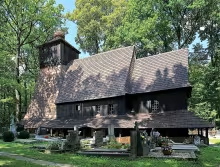
The Church of the Body of Christ in Guty is a wooden church situated on the outskirts of the village of Guty, near the town of Třinec. It was built in the 16th century and was the oldest surviving wooden church in the Těšínsko region until it was destroyed by fire in 2017. The church is notable for its unique blend of Gothic and Renaissance architectural styles and its historical significance as a place of worship for the local community.
The Church of the Body of Christ was built in 1563, as indicated by the date inscribed on the portal. The first bell was installed in 1565, and the church was originally Lutheran. In 1654, it was converted to Catholicism by the Catholic Church. The church was owned by the Evangelical Church in the 17th century, but was confiscated by the Catholic Church in 1654.
The church's architecture features a wooden nave and a separate bell tower. The interior was decorated with works by local artists from the 17th and 18th centuries. The church was built using local timber from the 1560-1564 harvest. The original wooden structure was preserved until its destruction in 2017.
The church has undergone significant changes throughout its history. In 2011-2012, it underwent a major renovation, which included repairing the roof over the presbytery, replacing the roof tiles, and reconstructing the bell tower. The renovation was funded by the European Union through the Regional Operational Programme for the Moravian-Silesian Region, as well as by the town of Třinec and private donors.
The Church of the Body of Christ was destroyed by fire on August 1, 2017. The fire was intentionally set, and two individuals were arrested and later convicted of arson. The church's original equipment and 16th-century paintings were lost in the fire. A replica of the church was built on the same site and was consecrated in 2021.
Today, the Church of the Body of Christ is a rebuilt replica of the original structure. The new church is built using a combination of oak and softwood, with the foundation made of oak and the rest of the structure made of spruce and fir. The church is surrounded by the village of Guty and offers scenic views of the surrounding landscape. Visitors can explore the church and learn about its history and significance in the local community.
Historical milestones
- 1563
- The church was built.
- 1565
- The first bell was installed.
- 2017
- The church was destroyed by fire.
- 2021
- A replica of the church was built.
Architectural development
The church was built using local timber from the 1560-1564 harvest. It features a wooden nave and a separate bell tower. The interior was decorated with works by local artists from the 17th and 18th centuries.
Historical events
The church was built in 1563.
The first bell was installed in 1565.
The church was destroyed by fire in 2017.
A replica of the church was built in 2021.
Owners
The church was owned by the Evangelical Church in the 17th century, but was confiscated by the Catholic Church in 1654.
Points of interest
– The Church of the Body of Christ is often referred to as the oldest surviving wooden church in the Těšínsko region, although it was destroyed by fire in 2017.
– The church's original wooden structure was preserved for over 450 years, until it was destroyed in the fire.
– The church's interior was decorated with works by local artists from the 17th and 18th centuries, which were unfortunately lost in the fire.
– The church was built using local timber from the 1560-1564 harvest, which is a remarkable feat considering the limited technology available at the time.
Guide
Show guide text
Welcome! You are standing in front of the Church of the Body of Christ in Guty, one of the most interesting historical monuments in the Těšín Region. The church before you is a wooden structure built in the 16th century. It may look somewhat narrow, but its unique architecture and history make it exceptional. Let's move on to its historical context.
The Church of the Body of Christ was built in 1563. This was an era when Protestant thinking began spreading across this part of Europe. The church originally belonged to Lutherans, but in 1654 it was converted into a Roman Catholic church. This is interesting because it means that the church has gone through two major religious directions during its existence.
Now let's focus on the architecture of the church. The church is built from wood, which was common at the time, but its uniqueness lies in the combination of Gothic and Renaissance elements. Take a look at the façade and notice how the architecture changes from the base to the top. Also note that the church has three towers, but the one before you is the shortest. Now pay attention to the details on the façade. You can see how the wood transforms over time, becoming darker and showing signs of damage.
The Church of the Body of Christ is often referred to as the oldest surviving wooden church in the Těšín Region, although it was destroyed by fire in 2017. Its original wooden structure lasted for more than 450 years before being destroyed. This is a true gem! The interior space of the church was full of magnificent details, but unfortunately, due to the fire, it now exists only as a memory.
An interesting fact is that the church was originally built as a Protestant church but was later converted into a Catholic church. This is an intriguing story reflecting historical events in the region.
Whether you are here for the first time or have already visited similar monuments, the Church of the Body of Christ in Guty is a gem worth exploring. In its unique architecture and history, you will find many interesting details and ideas. Thank you for your attention, and I hope you enjoyed visiting this historic church.
Tips for visitors
The best time to visit the Church of the Body of Christ is during the spring and summer months when the weather is pleasant and the surrounding landscape is in full bloom.
The church is accessible by car and public transportation. You can park your car near the church or use the public parking lot in the nearby village of Guty.
It's recommended to bring comfortable shoes and clothing suitable for walking and exploring the surrounding area.
The best spots for photography are around the church and the nearby Godula mountain, which offers stunning views of the surrounding landscape. The best light for photography is during the golden hour, just before sunset.
If you're visiting with children, consider bringing a picnic lunch and exploring the surrounding area, which offers scenic views and a chance to learn about local history and culture.
Businesses nearby
Do you run a restaurant, accommodation, shop, museum, rental, wellness or other visitor service near this monument? Show yourself directly to the people heading to it — this is how they will see you in the app and on the web:
Nearby
The church is surrounded by the village of Guty and the Těšínsko region. The nearby Godula mountain offers scenic views of the surrounding landscape.
Accommodation nearby
Themed route
The Guty Church of the Body of Christ is a must-visit destination in the Těšínsko region. To make the most of your trip, consider the following 4-stop itinerary:
1. Guty Church of the Body of Christ (Kostel Božího Těla) - This beautiful church is the main attraction and a must-visit. Its stunning architecture and peaceful atmosphere make it a perfect spot for reflection and contemplation. 2. Godula Mountain (Hory Godula) - Just a short hike from the church, Godula Mountain offers breathtaking views of the surrounding landscape. On a clear day, you can see for miles and take in the natural beauty of the area. 3. Guty Village (Obec Guty) - Take a stroll through the charming village of Guty, where you can experience the local culture and way of life. Be sure to try some traditional food and drinks at one of the local cafes or restaurants. 4. Těšínsko Region (Těšínsko) - The Těšínsko region is a unique cultural and historical area that is steeped in tradition and heritage. Take some time to explore the local customs and traditions, and learn about the region's rich history.
Seasonal recommendations
Jaro
In the spring season, the Church of the Body of Christ in Guty is surrounded by blooming flowers and greenery. The atmosphere is calm and quiet, allowing visitors to peacefully explore the monument. We recommend visiting the church early in the morning or late afternoon to avoid crowds of tourists. The best time for a visit is from April to May when nature is in full bloom.
Summer
In the main summer season, the Church of the Body of Christ in Guty is very popular with tourists. We recommend arriving early in the morning or late afternoon to avoid crowds. Lighting is sufficient, but we suggest bringing sunglasses as the sun can be strong. The best time for a visit is from June to August when the weather is warmest.
Autumn
In the autumn season, the Church of the Body of Christ in Guty is surrounded by greenery and the orange colors of nature. The atmosphere is calm and quiet, allowing visitors to peacefully explore the monument. We recommend visiting the church early in the morning or late afternoon to avoid crowds. The best time for a visit is from September to October when the weather is cooler.
Winter
In the winter season, the Church of the Body of Christ in Guty is closed and illuminated. We recommend visiting the church early in the morning or late afternoon to avoid limited opening hours. It is also important to bring warm clothing as temperatures can be low. The best time for a visit is from December to February when the church is lit up and quiet.
Visualizations and artistic views

Vizualizace jsou generovány umělou inteligencí a slouží jako inspirace.


Tips from visitors
No tips yet. Be the first!
Log in and add your tip.
Location on the map

Příběhy a pověsti
Legendy, pověsti a příběhy spjaté s touto památkou
Reviews and comments