






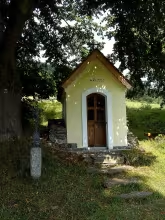
The Chapel of Saint Martin, located in the former settlement of Zadní Paště within Hartmanice municipality, is a small rotunda-style chapel with significant historical roots dating back to the 17th century. Originally constructed during this period and later reconstructed in 1918, it was dedicated to Saint Martin. The chapel holds historical significance as part of the Scheinosthof estate, which played an important role in local agriculture and forestry. After being destroyed post-World War II, it was restored with community support in 2011.
The origins of the Chapel of Saint Martin are intertwined with the history of Zadní Paště, a settlement that emerged at the turn of the 16th and 17th centuries on the southern slopes of Šumava mountain Křemelná. Initially built in the 17th century as part of the Scheinosthof estate, it was owned by families such as the Sallerů and Wenzel Scheinost. This period marked a time when Bohemia was under Habsburg rule, experiencing religious tensions following the Reformation. By its reconstruction in 1918, the region had transitioned into Czechoslovakia after World War I.
Architecturally, the chapel underwent significant changes over the centuries. Initially constructed in the 17th century, it saw a major reconstruction in 1918 that altered its structure. Following its destruction post-World War II, the chapel was rebuilt in 2011 by volunteers who incorporated parts of the original walls from the 1918 version into the new construction. The restored chapel is smaller than its predecessors and features an open interior illuminated through glass doors and windows on the side walls.
Ownership of the chapel transitioned over time, initially associated with the Scheinosthof estate. After World War II, as part of broader land reforms, ownership shifted to local authorities. The chapel's history is marked by dramatic changes, including its destruction in 1946 following the expulsion of Germans from Czechoslovakia and subsequent depopulation of the area.
Key events in the chapel’s history include its initial construction in the 17th century, reconstruction in 1918, destruction post-World War II, and restoration in 2011. A poignant curiosity is a replica of five coffins near the chapel that commemorates victims of the 1918 influenza epidemic from the Scheinost family, who were instrumental in building the original chapel.
Today, the Chapel of Saint Martin stands as a testament to community resilience and historical continuity. It is located at an elevation of 805 meters on a publicly accessible trail leading from Prášil. The chapel is surrounded by natural landscapes, including hills and forests, with the nearby Křemelná River enhancing its scenic environment. Visitors can access the site via marked trails, making it a worthwhile destination for those interested in history and nature.
The Chapel of Saint Martin offers more than just historical insight; it represents the enduring spirit of community and heritage preservation. Its restoration is a testament to local dedication and cultural memory, inviting visitors to explore its rich past while enjoying the serene beauty of the Šumava region.
Historical milestones
- 17th century
- The chapel was originally constructed.
- 1918
- The chapel underwent reconstruction.
- 1946
- The chapel was destroyed following WWII.
- 2011
- The chapel was restored with community support.
Architectural development
The Chapel of Saint Martin was first built in the 17th century. It underwent significant reconstruction in 1918, altering its structure. After being demolished post-WWII, it was rebuilt in 2011 by volunteers, incorporating parts of the original walls from the 1918 version.
Historical events
17th century: The chapel was initially constructed.
1918: The chapel underwent reconstruction.
1946: Following WWII, the area was depopulated and the chapel destroyed.
2011: The chapel was restored with community support.
Owners
The chapel was originally associated with the Scheinosthof estate, owned by the Sallerů and Wenzel Scheinost families. Post-WWII, ownership transitioned to local authorities as part of broader land reforms.
Points of interest
- The Chapel of Saint Martin is located at an elevation of 805 meters on a trail from Prášil, offering visitors breathtaking views of the surrounding natural landscapes, including hills and forests.
- A poignant curiosity near the chapel is a replica of five coffins that commemorates victims of the 1918 influenza epidemic from the Scheinost family, who were instrumental in building the original chapel.
Guide
Show guide text
Welcome to the enchanting Chapel of Saint Martin on Zadní Paště, nestled within the serene Hartmanice municipality in Plzeňský kraj. As you stand here, imagine yourself transported back through time, surrounded by a landscape that whispers tales from centuries past. This small rotunda-style chapel, perched at an elevation of 805 meters on a trail from Prášil, offers not just spiritual solace but breathtaking views of the surrounding natural beauty, with hills and forests stretching out in all directions.
The story of this humble chapel begins in the 17th century when it was originally constructed. Its purpose was to serve as a place of worship dedicated to Saint Martin, reflecting the deep-rooted faith of those who lived here. Over time, the chapel became an integral part of the Scheinosthof estate, contributing to local agriculture and forestry—a testament to its historical significance.
In 1918, the chapel underwent reconstruction, breathing new life into its structure while preserving its sacred essence. However, like many historic sites, it faced destruction after World War II in 1946. Yet, the spirit of this place could not be quelled. In 2011, thanks to the unwavering support and dedication of the community, the chapel was lovingly restored, standing today as a symbol of resilience and collective memory.
As you take in its architecture, notice how it harmoniously blends with the natural surroundings. Though details like specific architectural styles or materials are not specified, the chapel's presence here speaks volumes about the historical craftsmanship and dedication to preserving cultural heritage.
The Scheinosthof estate and figures such as Wenzel Scheinost played pivotal roles in shaping this area's history. Their contributions to agriculture and forestry have left an indelible mark on Hartmanice, influencing generations that followed.
A poignant curiosity near the chapel is a replica of five coffins, serving as a solemn reminder of the victims of the region's turbulent past. This touching tribute invites reflection on the stories and sacrifices of those who came before us.
As you conclude your visit to this sacred site, let the Chapel of Saint Martin inspire you to explore further, not just its physical beauty but also the rich tapestry of history it represents. May your journey through Hartmanice continue with a sense of wonder and an appreciation for the stories etched into every corner of this land.
Farewell, dear visitor, until our paths cross again in another chapter of discovery.
Tips for visitors
The best time to visit the Chapel of Saint Martin is during late spring or early autumn when the weather is mild, and the natural surroundings are particularly beautiful. During these seasons, the Šumava region offers vibrant foliage in spring and rich colors in fall, enhancing the scenic beauty around the chapel. Additionally, visiting outside peak summer months can provide a more tranquil experience with fewer crowds.
Parking and transportation to the Chapel of Saint Martin are convenient. There is parking available near the site for those traveling by car. For visitors preferring public transport, it's accessible via regional bus services from nearby towns such as Hartmanice. However, it's recommended to check current routes and schedules in advance using a travel planner or local transit websites.
When visiting the chapel, consider bringing comfortable walking shoes, especially if you plan on exploring the surrounding natural landscapes. A light jacket might be useful due to changing weather conditions, particularly in spring and autumn. Don't forget your camera for capturing the picturesque views of the hills and forests around the chapel.
For photography enthusiasts, the best spots around the Chapel of Saint Martin are those that capture its rotunda structure against the backdrop of the Šumava landscape. Early morning or late afternoon light provides a soft glow ideal for photographs. Additionally, the nearby Křemelná River can serve as an excellent foreground element in your shots.
Nearby attractions within 30 minutes include the scenic trails and natural beauty of the Šumava region itself. Families with children might enjoy exploring these trails, which offer opportunities for nature walks and picnics. The area's rich biodiversity makes it a great spot for bird watching or simply enjoying a peaceful outdoor experience.
Businesses nearby
Do you run a restaurant, accommodation, shop, museum, rental, wellness or other visitor service near this monument? Show yourself directly to the people heading to it — this is how they will see you in the app and on the web:
Nearby
Located in the Šumava region, the chapel is surrounded by natural landscapes including hills and forests. The nearby Křemelná River adds to the scenic environment.
Accommodation nearby
Themed route
Thematic Walking Tour: Kaple svatého Martina na Zadních Paštích and Surroundings
1. Kaple svatého Martina na Zadních Paštích (Chapel) - *Type:* Historical Chapel - *Why Visit:* This charming chapel, nestled in the Šumava region's natural landscape, offers a serene retreat with its picturesque setting amidst hills and forests. Its historical significance and tranquil atmosphere make it an ideal starting point for exploring the area.
2. Křemelná River - *Type:* Natural Waterway - *Why Visit:* Located nearby, the Křemelná River enhances the scenic beauty of the region with its gentle flow through lush forests. A walk along its banks provides a peaceful experience and an opportunity to appreciate the local flora and fauna.
3. Šumava Forest Trails - *Type:* Nature Trail - *Why Visit:* The surrounding Šumava forests offer extensive trails perfect for hiking enthusiasts. These paths allow visitors to immerse themselves in the region's rich biodiversity, offering stunning views and a chance to explore the area’s natural beauty.
4. Hills of Zadní Pašť - *Type:* Natural Landscape - *Why Visit:* The hills around Zadní Pašť provide breathtaking panoramic views of the Šumava region. Hiking these gentle slopes is an excellent way to enjoy the area’s natural splendor and capture memorable photographs.
5. Local Flora and Fauna Spot - *Type:* Natural Observation Point - *Why Visit:* As you explore the trails, keep an eye out for local wildlife and plant species unique to the Šumava region. This spot encourages visitors to connect with nature and learn about the area's ecological diversity.
This thematic tour offers a blend of historical exploration and natural beauty, perfect for those looking to experience the tranquility and charm of Hartmanice’s surroundings.
Seasonal recommendations
Spring: Spring at Kaple svatého Martina na Zadních Paštích is a time of renewal and vibrant colors as nature awakens from its winter slumber. The blooming wildflowers create a picturesque backdrop for the chapel, enhancing its serene atmosphere. This season offers softer, milder weather, making it ideal for leisurely exploration without the summer crowds. Visitors can enjoy the gentle sunlight that bathes the chapel in warm hues, highlighting its architectural details beautifully. It's recommended to wear comfortable walking shoes and light layers, as temperatures can vary throughout the day. Arriving early is advisable to fully appreciate the tranquil environment before more visitors arrive.
Summer: Summer brings long days and ample sunshine, perfect for visiting Kaple svatého Martina na Zadních Paštích. The lush greenery surrounding the chapel offers a refreshing escape from the heat, while the clear skies provide stunning views of the landscape. However, this is also the peak tourist season, so expect larger crowds and potentially longer wait times to enter the site. To make the most of your visit, consider arriving early in the morning or later in the afternoon when it's cooler and less crowded. Dressing in light, breathable clothing and wearing a hat for sun protection are practical tips to enhance comfort during your exploration.
Autumn: Autumn at Kaple svatého Martina na Zadních Paštích is marked by a stunning display of fall foliage, with vibrant reds, oranges, and yellows transforming the landscape into a breathtaking canvas. The cooler temperatures make for comfortable strolls around the chapel, while the shorter days add a cozy atmosphere to your visit. This season typically sees fewer visitors than summer, allowing for a more peaceful experience. It's advisable to wear layered clothing to adjust easily to changing weather conditions and bring along a warm jacket as evenings can be chilly.
Winter: Winter transforms Kaple svatého Martina na Zadních Paštích into a serene and mystical site, with snow often blanketing the chapel grounds in a soft white layer. The unique lighting conditions during this season create dramatic contrasts, enhancing the architectural features of the chapel against the stark landscape. However, be mindful that the chapel may have reduced hours or even close temporarily due to weather conditions. Dressing warmly is essential, including thermal layers and waterproof outerwear, as temperatures can drop significantly. Additionally, sturdy boots are recommended for navigating potentially icy paths safely.
```Visualizations and artistic views

Vizualizace jsou generovány umělou inteligencí a slouží jako inspirace.

Tips from visitors
No tips yet. Be the first!
Log in and add your tip.
Location on the map



Příběhy a pověsti
Legendy, pověsti a příběhy spjaté s touto památkou
Reviews and comments