






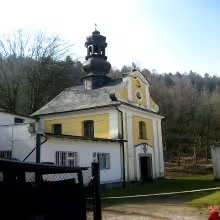
The Chapel of Saint John the Baptist in Ústí nad Orlicí exemplifies early 19th-century classicism within the Czech Republic. Situated on Lázeňské Street near Andrlův chlum, it was constructed in 1806 and consecrated on June 24, 1812. The chapel is notable for its architectural style and historical significance as part of a planned spa operation during a period when Bohemia was under Austrian influence.
The origins of the chapel are linked to cultural and architectural developments in early 19th-century Bohemia, then part of the Austrian Empire. Classicism dominated European architecture at this time, emphasizing symmetry, simplicity, and grandeur. The Chapel of Saint John the Baptist was built as part of plans for a spa operation in Ústí nad Orlicí, reflecting the era's focus on health and wellness facilities.
Architecturally, the chapel is an exemplar of classicist design. It features an oblong ground plan with a rounded (internally pentagonal) chancel topped by a saddle roof. A distinctive element is its bellcote adorned with a bulbous dome at the center. The exterior showcases smooth plasterwork and framed pilasters, culminating in a profiled cornice. The entrance portal is protected by an architrave decorated with an emblem, while the façade concludes with a high volute pediment divided by pilasters, featuring a circular window and topped with a triangular gable that holds a stone base supporting a wrought iron cross, halo, and the letters IHS.
Throughout its history, the chapel has remained relatively unchanged in terms of ownership or dramatic alterations. It was designated as a protected cultural monument of the Czech Republic in 1958, ensuring its preservation for future generations. This recognition underscores its architectural and historical value within the region.
The construction and consecration of the chapel are key events that highlight its significance. Built in 1806 to accompany spa development plans, it was consecrated on June 24, 1812, marking its readiness for religious use. These milestones reflect the chapel's role not only as a place of worship but also as part of broader social and cultural developments during its time.
Today, the Chapel of Saint John the Baptist remains accessible to visitors, offering insights into early 19th-century architecture and history. Its classicist style and historical context make it an intriguing site for those interested in architectural heritage or spa culture from that era. The chapel's preservation as a cultural monument ensures that its beauty and significance continue to be appreciated by all who visit.
In conclusion, the Chapel of Saint John the Baptist is a remarkable example of early 19th-century classicism and serves as a historical marker within Ústí nad Orlicí. Its architectural elegance and historical context make it a worthwhile destination for anyone interested in exploring Czech cultural heritage. Visitors are invited to experience this unique monument and appreciate its enduring legacy.
Historical milestones
- 1806
- The Chapel of St. John the Baptist was built.
- 1812
- The chapel was consecrated on June 24th.
- 1958
- The chapel was declared a cultural monument of the Czech Republic.
Architectural development
Constructed in the classicist style, the Chapel of Saint John the Baptist features an oblong ground plan with a rounded chancel and a saddle roof. The exterior is characterized by smooth plasterwork, framed pilasters, and a profiled cornice. A distinctive element is its bulbous dome atop the bellcote.
Historical events
The chapel was built in 1806 as part of plans for a spa operation.
It was consecrated on June 24, 1812.
Points of interest
- The Chapel of Saint John the Baptist was built as part of a broader spa development plan in Ústí nad Orlicí, reflecting early 19th-century trends in health and wellness that were popular across Europe.
- Although constructed during Austrian rule over Bohemia, the chapel's design includes a distinctive bulbous dome on its bellcote—a feature not commonly associated with classicist architecture, which typically favors more restrained forms.
Guide
Show guide text
Welcome to the Chapel of Saint John the Baptist in Ústí nad Orlicí, a serene and captivating piece of history nestled within this charming town. As you stand here, take a moment to absorb the tranquil atmosphere that surrounds you. The chapel's classicist style speaks volumes about its era, inviting you into a world where architecture and spirituality intertwine.
Built in 1806 as part of an ambitious plan to establish a spa operation in Ústí nad Orlicí, this chapel was consecrated on June 24, 1812. Its creation during the early 19th century reflects a period when health and wellness began gaining prominence across Europe, with spas becoming centers for rejuvenation and social gatherings.
As you look around, notice the chapel's oblong ground plan that gracefully leads to an internally pentagonal chancel. The rounded design of this space is topped by a saddle roof, which adds a sense of elegance and balance to its structure. At the heart of it all stands a bulbous dome, crowned with a bellcote—a distinctive feature inviting you to look up and admire.
The chapel's architecture is not just about aesthetics; it tells a story of cultural and historical significance. Although constructed during Austrian rule over Bohemia, the design elements reveal influences that transcend borders, showcasing an era where architectural styles were shared and adapted across Europe.
While specific architects remain unknown, the chapel stands as a testament to the collective vision and craftsmanship of its creators. It's fascinating to consider how such structures came to life in times when communication was not as instantaneous as today.
A particularly intriguing aspect of this chapel is its connection to broader health and wellness trends of its time. The idea that it was built alongside spa development plans highlights an era where the pursuit of well-being began shaping communities, influencing architectural decisions like those seen here.
As you continue your exploration, let yourself be drawn into the narrative woven by history and design. Each stone and detail has a story to tell, inviting you to ponder not just its past but also its role in the tapestry of Ústí nad Orlicí's cultural heritage.
Before you move on, take one last look at this architectural gem. Whether it’s the way the light dances across its surfaces or the quiet dignity it exudes, there is something here that speaks to every visitor differently.
Thank you for joining us today. We hope this experience has enriched your understanding and appreciation of the Chapel of Saint John the Baptist. May your journey through Ústí nad Orlicí continue to be filled with discovery and wonder.
Tips for visitors
The best time to visit the Chapel of Saint John the Baptist is during late spring or early autumn, when the weather is mild and pleasant for exploring both the chapel and its surrounding natural landscapes. These seasons offer a comfortable climate for walking around the area, and you can enjoy the lush greenery without the crowds that might be present in peak tourist months.
Parking near the chapel is generally available along Lázeňské Street or nearby streets, but it's advisable to check local signage upon arrival. Public transportation options are accessible, with buses serving the area; you can find current routes and schedules by searching online prior to your visit. This ensures a smooth journey whether you're driving or using public transport.
When visiting the chapel, consider bringing comfortable walking shoes as there may be some uneven paths in the surrounding natural areas. A camera is recommended for capturing the classicist architecture of the chapel and its picturesque setting. Additionally, carrying a light jacket can be useful due to variable weather conditions, even during warmer months.
For photography enthusiasts, early morning or late afternoon provides the best lighting conditions to capture the chapel's features and surrounding landscapes in soft, natural light. The area around Lázeňské Street offers excellent vantage points for photos, especially when the sun casts long shadows across the historic architecture.
Within a 30-minute drive from the chapel are other historical sites and natural attractions that complement your visit. These include Andrlův chlum, known for its scenic views and hiking trails, which is perfect for those interested in exploring more of the region's history and nature. Families with children will find these areas engaging due to their open spaces and opportunities for outdoor activities.
Businesses nearby
Do you run a restaurant, accommodation, shop, museum, rental, wellness or other visitor service near this monument? Show yourself directly to the people heading to it — this is how they will see you in the app and on the web:
Nearby
Located in Lázeňské Street near the road to Andrlův chlum, the chapel is situated within a small town known for its spa facilities. The surrounding area includes natural landscapes and other historical sites.
Accommodation nearby
Themed route
Thematic Walking Tour of Ústí nad Orlicí
1. Chapel of Saint John the Baptist - *Type:* Historical Chapel - *Why Visit:* Located in Lázeňské Street, this charming chapel is a testament to the town's rich history and architectural heritage. Its serene setting near Andrlův chlum makes it an ideal starting point for exploring Ústí nad Orlicí’s historical charm.
2. Spa Facilities of Ústí nad Orlicí - *Type:* Spa and Wellness Center - *Why Visit:* Known for its therapeutic benefits, the spa facilities in Ústí nad Orlicí offer a relaxing experience that complements the town's serene atmosphere. Visitors can enjoy traditional treatments while soaking up the local culture.
3. Natural Landscapes Surrounding Ústí nad Orlicí - *Type:* Natural Scenery - *Why Visit:* The natural landscapes around Ústí nad Orlicí provide a picturesque backdrop to your visit, perfect for leisurely walks or picnics. These areas highlight the town’s connection with nature and offer stunning views that are both calming and invigorating.
This tour provides an immersive experience of Ústí nad Orlicí's historical and natural beauty, starting from its spiritual heart at the Chapel of Saint John the Baptist to the rejuvenating spa facilities and the tranquil natural surroundings.
Seasonal recommendations
Spring: Visiting the Chapel of Saint John the Baptist during spring offers a serene experience as nature awakens around Ústí nad Orlicí. The surrounding landscape is adorned with blooming wildflowers and fresh greenery, creating a picturesque setting that enhances the chapel's historic charm. This season often sees fewer visitors compared to summer, allowing for a more tranquil exploration of the site. It's advisable to wear comfortable layers as temperatures can vary; mornings may be cool while afternoons warm up. Early spring visits might coincide with local events celebrating renewal and nature, adding to the atmosphere.
Summer: Summer is an ideal time to explore the Chapel of Saint John the Baptist, thanks to extended daylight hours that illuminate its intricate details in a soft glow. The lush greenery around Ústí nad Orlicí provides a vibrant backdrop for photography enthusiasts. However, this is also the peak tourist season, so arriving early can help avoid crowds and ensure a more enjoyable visit. Lightweight clothing is recommended to stay comfortable during warmer days, and carrying water is essential. This period often features various cultural events that celebrate local heritage, enriching your experience.
Autumn: Autumn transforms the Chapel of Saint John the Baptist into a stunning canvas with its palette of reds, oranges, and yellows as leaves change color in Ústí nad Orlicí. The cooler weather makes for pleasant strolls around the site, and the reduced number of visitors compared to summer allows for a more intimate experience. It's wise to dress warmly, especially later in the season when temperatures drop. This is also a time when local festivals celebrating harvest and seasonal change may take place, adding to the festive atmosphere.
Winter: The Chapel of Saint John the Baptist offers a unique charm during winter with its historic architecture set against a snowy backdrop. Shorter days mean planning your visit around daylight hours, as some areas might be less accessible due to weather conditions. Winter attire is essential; warm clothing and sturdy footwear will ensure comfort while exploring. Although visitor numbers are lower, this season provides an opportunity to experience the chapel in relative solitude, with occasional local events celebrating winter traditions adding a cozy touch to your visit.
```Visualizations and artistic views

Vizualizace jsou generovány umělou inteligencí a slouží jako inspirace.


Tips from visitors
No tips yet. Be the first!
Log in and add your tip.



Reviews and comments