






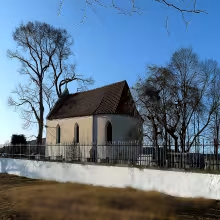
The Chapel of Saint Erasmus in Nezamyslice is a historically significant monument located within the Plzeňský region, known for its architectural evolution from early Baroque to Neo-Gothic styles. Originally constructed in the first half of the 17th century by Jindřich Liebsteinský z Kolowrat, it later became a family mausoleum for the Lamberg noble family. This chapel stands as a testament to the cultural heritage and architectural history of the region.
The origins of the Chapel of Saint Erasmus trace back to the early 17th century when Jindřich Liebsteinský z Kolowrat, a high-ranking official, commissioned its construction in Nezamyslice. Built on what is believed to be the site of an earlier structure, it reflects the Baroque architectural style prevalent during that period. By the early 18th century, the Lamberg family acquired the surrounding estates, including Nezamyslice, and played a significant role in its history.
Architecturally, the chapel initially featured early Baroque elements when constructed by Liebsteinský z Kolowrat. In 1815, under Karel Evžen z Lambergu's direction, a family mausoleum was established beneath the chapel to serve as a final resting place for the Lambergs. This transformation marked a significant change in its purpose and design. Later, in 1860, Gustav Jáchym z Lambergu commissioned a Neo-Gothic redesign of the chapel, enhancing it into a more representative family mausoleum. The interior was reimagined with new furnishings based on recommendations by Adalbert Stifter, including works by sculptor Jan Rint and his son Josef Rint.
Ownership of the chapel and its surrounding estates transitioned through several notable figures. Initially built by Jindřich Liebsteinský z Kolowrat, it later came under the stewardship of the Lamberg family when Jan Filip z Lambergu acquired the estate in 1709. The chapel's transformation into a mausoleum began with Karel Evžen z Lambergu and was further developed by Gustav Jáchym z Lambergu. These changes reflect both personal motivations, such as creating a lasting family legacy, and broader historical trends.
Several key events have marked the history of the chapel. In 1815, it became a mausoleum for the Lambergs, with Karel Evžen z Lambergu playing a pivotal role in its establishment. The Neo-Gothic redesign in 1860 further enhanced its status as a family memorial site. However, not all events were peaceful; in 1862, two thieves attempted to steal from the mausoleum but were apprehended. In 1936, memorial plaques from the Salzburg family crypt were added to the chapel's interior, enriching its historical narrative.
Today, the Chapel of Saint Erasmus is preserved as a protected cultural monument under the ownership of the Roman Catholic parish in Nezamyslice u Horažďovic. Its architectural significance and rich history make it an intriguing site for visitors interested in exploring Bohemian heritage and Baroque to Neo-Gothic transitions in architecture. The chapel's serene setting within an English-style park, complete with iron railings, adds to its allure as a destination worth visiting.
The Chapel of Saint Erasmus offers a unique glimpse into the past, showcasing architectural evolution from early Baroque to Neo-Gothic styles and serving as a lasting tribute to the Lamberg family. Its historical significance and preserved beauty make it an essential visit for those interested in cultural heritage and architectural history.
Historical milestones
- 1815
- Establishment of the family mausoleum under the chapel.
- 1860
- Neo-Gothic redesign and transformation into a representative family mausoleum.
Architectural development
The Chapel of Saint Erasmus was initially built in the early Baroque style during the first half of the 17th century. In 1815, it was transformed into a family mausoleum for the Lamberg family. The chapel underwent a Neo-Gothic redesign in 1860 under Gustav Jáchym z Lambergu, featuring new interior furnishings and architectural elements.
Historical events
Construction of the chapel by Jindřich Liebsteinský z Kolowrat in the early 17th century.
Establishment of the family mausoleum under the chapel in 1815 by Karel Evžen z Lambergu.
Neo-Gothic redesign and transformation into a representative family mausoleum in 1860.
Owners
Jindřich Liebsteinský z Kolowrat (early 17th century)
Jan Filip z Lambergu (from 1709)
František Antonín z Lambergu
Karel Evžen z Lambergu (1815 onwards)
Gustav Jáchym z Lambergu (1860 redesign)
Points of interest
- The Chapel of Saint Erasmus has a mysterious origin story as it was built on the site believed to be an earlier structure, suggesting a layer of history that remains largely unexplored.
- While the chapel is known for its architectural evolution from Baroque to Neo-Gothic styles, the influence of Adalbert Stifter, primarily known as a writer and poet, in recommending interior furnishings adds an intriguing literary connection to this historical site.
Guide
Show guide text
Welcome to the enchanting Chapel of Saint Erasmus in Nezamyslice, a gem nestled within the Plzeňský kraj region. As you stand before this captivating structure, take a moment to absorb its serene presence and imagine the layers of history it holds.
The chapel's origins trace back to the early 17th century when Jindřich Liebsteinský z Kolowrat commissioned its construction in the Baroque style. This architectural choice set the stage for centuries of transformation and significance. Fast forward to 1815, a pivotal year when the chapel was established as a family mausoleum by Jan Filip z Lambergu, marking the beginning of its new role within the noble Lamberg lineage.
In 1860, the chapel underwent another remarkable transformation with a Neo-Gothic redesign, commissioned to serve not just as a resting place but also as a representative monument for the Lamberg family. This evolution in style reflects the changing tastes and aspirations of those who cherished it through generations.
As you explore this site, notice the harmonious blend of architectural elements that tell stories of its past. The chapel's structure, though modest, speaks volumes about its historical journey from Baroque beginnings to a Neo-Gothic masterpiece. Its walls have witnessed the lives of notable figures such as František Antonín z Lambergu, Karel Evžen z Lambergu, Gustav Jáchym z Lambergu, and even Adalbert Stifter, each leaving their imprint on its legacy.
One intriguing aspect that adds to the chapel's mystique is its mysterious origin story. Built upon a site believed to have housed an earlier structure, it suggests layers of history yet to be fully uncovered. This enigma invites you to ponder what secrets lie beneath its foundations and what stories could be told if walls could speak.
As we conclude this auditory journey through the Chapel of Saint Erasmus, I invite you to linger in the tranquility of Nezamyslice, perhaps exploring further or simply reflecting on the rich tapestry of history that surrounds us. Thank you for joining me today, and may your curiosity continue to lead you to remarkable discoveries.
Tips for visitors
The best time to visit the Chapel of Saint Erasmus is during late spring or early autumn when the weather is mild, making it ideal for exploring both the chapel and its surrounding park. During these months, the natural landscapes are vibrant, enhancing the beauty of the English-style park that surrounds the chapel. Additionally, visiting outside peak tourist seasons can provide a more tranquil experience.
Parking and transportation options include nearby facilities where you can leave your car or use public transport to reach Nezamyslice. The area is accessible by road, and for those preferring public transport, it's advisable to check current routes online before traveling. This ensures a smooth journey to the chapel without any hassle.
When planning your visit, consider bringing comfortable walking shoes as you may want to explore the surrounding park and cemetery. A camera or smartphone will be useful for capturing the picturesque views of the chapel and its natural setting. Don't forget to bring water and perhaps a light snack if you plan on spending several hours exploring the area.
For photography enthusiasts, the best spots are likely around the chapel itself and within the English-style park where lighting is softer during early morning or late afternoon. These times offer golden hour lighting that can beautifully highlight the chapel's architecture against the lush greenery of the park. Capturing the iron railings and natural landscapes in your photos will add depth to your shots.
Nearby, within a 30-minute drive, you'll find more historical sites and natural beauty typical of the Plzeňský region. The surrounding area offers opportunities for further exploration, making it an excellent choice for those interested in history or nature. Families with children can enjoy the serene park environment, which provides space for leisurely walks and picnics.
For families visiting with children, the chapel's peaceful surroundings offer a great opportunity to explore nature at a relaxed pace. The English-style park is perfect for kids to run around safely while adults appreciate the historical architecture of the chapel. Consider bringing along a picnic basket to enjoy in the park, making it a memorable family outing.
Businesses nearby
Do you run a restaurant, accommodation, shop, museum, rental, wellness or other visitor service near this monument? Show yourself directly to the people heading to it — this is how they will see you in the app and on the web:
Nearby
The chapel is located in an English-style park surrounded by iron railings. The surrounding area includes a cemetery and features natural landscapes typical of the Plzeňský region.
Accommodation nearby
Themed route
Thematic Walking Tour: The Chapel of Saint Erasmus and Surroundings
1. Chapel of Saint Erasmus *Type:* Historical Monument *Why Visit:* Nestled within an English-style park, the Chapel of Saint Erasmus is a serene architectural gem surrounded by iron railings. Its tranquil setting makes it perfect for those interested in history and architecture, offering insight into local heritage.
2. English-Style Park *Type:* Historical Landscape *Why Visit:* The park surrounding the chapel boasts beautifully maintained gardens typical of English design, featuring lush greenery and meticulously arranged flora. It's an ideal spot for a leisurely stroll or simply to enjoy nature’s beauty in a peaceful environment.
3. Local Cemetery *Type:* Cultural Site *Why Visit:* Adjacent to the park is a cemetery that adds historical depth to the area, with tombstones and monuments that tell stories of past generations. It provides an opportunity for reflection and appreciation of local history and customs.
4. Natural Landscapes *Type:* Natural Feature *Why Visit:* The surrounding natural landscapes are characteristic of the Plzeňský region, offering picturesque views and a chance to experience the area's unique flora and fauna. It’s perfect for nature enthusiasts looking to explore the local environment.
5. Park Walkways *Type:* Recreational Pathway *Why Visit:* The park features well-maintained walkways that invite visitors to wander through its serene paths, offering a peaceful retreat from everyday life and an opportunity to enjoy the harmonious blend of nature and history.
This tour provides a comprehensive experience of the Chapel of Saint Erasmus and its immediate surroundings, emphasizing historical, cultural, and natural attractions.
Seasonal recommendations
Spring: The chapel of Saint Erasmus welcomes visitors with the soft glow of early morning light filtering through budding trees, casting a gentle illumination on its historic architecture. This season is characterized by vibrant wildflowers and fresh greenery surrounding the site, creating an inviting atmosphere for those who appreciate nature's renewal. As temperatures begin to rise, it’s advisable to wear layers that can be adjusted throughout the day. Spring mornings are typically less crowded, making them ideal for a peaceful visit.
Summer: During summer, the chapel is enveloped in warm sunlight and lush foliage, offering an idyllic setting for exploration. The longer daylight hours provide ample time to enjoy outdoor activities or simply relax in the serene environment. This season sees increased visitor numbers, especially during peak tourist periods, so arriving early can help avoid larger crowds. Comfortable walking shoes and light clothing are recommended to stay cool under the sun.
Autumn: Autumn transforms the chapel's surroundings with a kaleidoscope of reds, oranges, and yellows as leaves change color. The cooler temperatures create a crisp atmosphere perfect for leisurely walks or photography. This season often sees fewer visitors compared to summer, allowing for a more intimate experience of the site. Wearing layers is advisable due to fluctuating temperatures, and carrying an umbrella can be wise in case of unexpected showers.
Winter: In winter, the chapel takes on a serene and mystical quality under a blanket of snow, offering picturesque views that are particularly striking during sunrise or sunset. The shorter days mean visiting hours may be reduced, so planning ahead is essential. Winter attire should include warm clothing such as coats, hats, and gloves to ensure comfort in colder temperatures. While the site might be less crowded, it’s important to check for any seasonal closures or restrictions that could affect access.
Visualizations and artistic views


Vizualizace jsou generovány umělou inteligencí a slouží jako inspirace.


Atmosphere of the place
Atmospheric visualization of the setting and era
Tips from visitors
No tips yet. Be the first!
Log in and add your tip.



Reviews and comments