






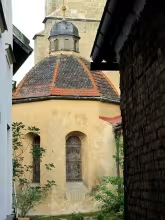
The Chapel of Saint Anthony of Padua is a notable Baroque chapel within the Church of the Assumption of the Virgin Mary in Plzeň, Czech Republic. Constructed shortly after 1676, it features an octagonal floor plan and intricate stucco decorations. Its historical significance is linked to the Counter-Reformation period, which saw a surge of Baroque artistry across Bohemia.
In the late 17th century, when the chapel was added to the northern nave of the church, Bohemia was part of the Habsburg Monarchy. This era emphasized grandeur and ornamentation in religious architecture due to cultural influences from the Counter-Reformation. The Chapel of Saint Anthony of Padua reflects these trends with its characteristic Baroque opulence.
Architecturally, the chapel is distinguished by its octagonal layout, providing both structural integrity and aesthetic appeal. Stucco decorations on the walls are complemented by pilasters at each corner, creating a harmonious balance between form and function. The interior culminates in a dome topped by a lantern, adding to the vertical emphasis typical of Baroque design. A notable feature is the entrance, adorned with a decorative grille from 1706, enhancing the chapel’s grandeur.
The main altar, dating back to 1698, is richly decorated with acanthus motifs and numerous angels, exemplifying the intricate craftsmanship of the period. Additionally, the chapel houses sculptures of several of the Fourteen Holy Helpers, including Saint Eustachius, Saint Acacius, and Saint Diviš. These sculptures add a spiritual dimension to the chapel, reflecting its religious significance.
Today, the Chapel of Saint Anthony of Padua remains an integral part of the Church of the Assumption of the Virgin Mary in Plzeň. It continues to attract visitors interested in Baroque architecture and religious art. The chapel's well-preserved state offers a glimpse into the artistic and cultural milieu of 17th-century Bohemia, making it a worthwhile destination for those exploring the region’s rich historical tapestry.
Visitors to Plzeň can appreciate the Chapel of Saint Anthony of Padua not only as an architectural marvel but also as a testament to the religious fervor of its time. Its preservation provides insight into the artistic endeavors that flourished under the Habsburg Monarchy, inviting modern audiences to connect with history through its enduring beauty and spiritual heritage.
Historical milestones
- 1676
- The chapel was added to the northern nave of the Church of the Assumption of the Virgin Mary shortly after this year.
- 1706
- A decorative grille was installed at the entrance of the chapel.
- 1698
- The main altar, richly adorned with acanthus motifs and numerous angels, was created for the chapel.
Architectural development
The Chapel of Saint Anthony of Padua showcases Baroque architectural elements, including an octagonal layout and stucco decorations. Its design features pilasters at the corners and a dome topped by a lantern. The entrance is marked by a decorative grille from 1706, while the chapel's main altar, richly adorned with acanthus motifs and numerous angels, dates back to 1698.
Historical events
- 1676
- The chapel was added to the northern nave of the Church of the Assumption of the Virgin Mary shortly after this year.
Points of interest
- The Chapel of Saint Anthony of Padua was constructed during a period when Bohemia experienced significant cultural shifts due to the Counter-Reformation, which aimed to reaffirm Catholic dominance and led to an explosion of Baroque artistry throughout the region.
- A decorative grille from 1706 adorns the chapel's entrance, adding to its grandeur. This grille is not just a functional element but also an artistic one, reflecting the intricate craftsmanship typical of the Baroque period in Bohemia.
Guide
Show guide text
Welcome to the Chapel of Saint Anthony of Padua, a gem nestled within the Church of the Assumption of the Virgin Mary in Plzeň's Vnitřní Město. As you stand here, take a moment to absorb the serene beauty that surrounds you. The chapel's octagonal floor plan is adorned with delicate stucco decorations and pilasters at each corner, creating an inviting atmosphere that beckons exploration.
The story of this chapel begins shortly after 1676 when it was added to the northern nave of the church. This period in Bohemia was marked by significant cultural shifts due to the Counter-Reformation—a time when Catholicism sought to reaffirm its influence and inspired a flourishing of Baroque artistry throughout the region. The Chapel of Saint Anthony of Padua stands as a testament to this era, embodying the artistic spirit that swept through the land.
As you gaze upon the chapel's structure, your eyes are naturally drawn upward to the dome capped with an elegant lantern—a hallmark of its architectural grace. Notice the decorative grille at the entrance, dating back to 1706, which adds a layer of intricate beauty and historical intrigue. Inside, the main altar, crafted in 1698, is richly adorned with acanthus motifs and populated by numerous angels, inviting you into a world of artistic devotion.
Although the architects behind this masterpiece remain unknown, their vision has left an indelible mark on Plzeň's cultural landscape. The chapel not only serves as a place of worship but also as a beacon of historical significance, reflecting the broader religious and artistic currents of its time.
One intriguing aspect of this chapel is how it encapsulates the essence of the Counter-Reformation in Bohemia—a period that sought to reinforce Catholic traditions through art and architecture. This context enriches your experience here, offering a glimpse into the past where faith and beauty intertwined seamlessly.
As you continue your visit, I invite you to linger and explore further. Each corner holds stories waiting to be discovered, each detail an echo of history's whispers. Thank you for joining me on this journey through time at the Chapel of Saint Anthony of Padua. May it inspire you as much as it has inspired countless others before.
Tips for visitors
The best time to visit the Chapel of Saint Anthony of Padua is during late spring or early autumn when the weather is pleasant, allowing for a comfortable exploration of both the chapel and its surroundings. During these seasons, you can enjoy the natural light that beautifully illuminates the stucco decorations inside the chapel without the harshness of summer sun or the chill of winter. Additionally, visiting outside of peak tourist season ensures a more intimate experience with fewer crowds.
Parking around Vnitřní Město in Plzeň is generally accessible, though it can be limited during busy times. Public transportation offers a convenient alternative, with several bus and tram lines serving the area. To ensure a smooth journey, check current routes and schedules on local transport websites or apps before your visit. This approach not only eases access to the chapel but also contributes to reducing traffic congestion in the city center.
When visiting the Chapel of Saint Anthony of Padua, it's advisable to wear comfortable walking shoes as you'll likely explore more than just the chapel itself. Given its historical significance and architectural details, bringing a camera is recommended to capture the intricate stucco work and the serene atmosphere inside. For photography enthusiasts, early morning or late afternoon light provides the best conditions for capturing the chapel’s beauty.
For families with children, visiting the Chapel of Saint Anthony of Padua can be both educational and enjoyable. The historical context and architectural features offer a great opportunity to engage young minds in discussions about history and art. Nearby, within a 30-minute walk or short drive, are several parks and open spaces where families can relax and enjoy outdoor activities after exploring the chapel. These areas provide a perfect setting for children to play and adults to unwind.
Businesses nearby
Do you run a restaurant, accommodation, shop, museum, rental, wellness or other visitor service near this monument? Show yourself directly to the people heading to it — this is how they will see you in the app and on the web:
Accommodation nearby
Trips and activities nearby
Guided tours, tickets and activities nearby from GetYourGuide
Search tours and activities →Themed route
Tematická výletní trasa: Kaple svatého Antonína Paduánského a okolí
1. Kaple svatého Antonína Paduánského (Vnitřní Město) - *Typ:* Religiozní památka - *Proč stojí za návštěvu:* Tato malá, ale působivá kaple je významnou místností pro milovníky historie a architektury. Její jednoduchost a duchovní atmosféra nabízejí klidné okamžiky pro reflexi a uctění.
2. Náměstí Vnitřního Města - *Typ:* Historické náměstí - *Proč stojí za návštěvu:* Náměstí je srdcem obce, kde se prolínají historie a současnost. Je to ideální místo pro procházku po ulicích plných starobylé architektury a prohlédnutí si místních restaurací a kaváren.
3. Městský dům (Vnitřní Město) - *Typ:* Historická budova - *Proč stojí za návštěvu:* Tato historická budova je významnou součástí místního kulturního dědictví. Její architektonické prvky a historie přidávají hloubku pochopení místní kultury a minulosti.
4. Kostel svatého Vavřince (Vnitřní Město) - *Typ:* Kostel - *Proč stojí za návštěvu:* Tento kostel je významnou místností pro milovníky duchovních a historických památek. Jeho architektura a umělecké prvky jsou přitažlivé pro ty, kteří hledají pohled na bohatství místního náboženského dědictví.
5. Místní tržiště (Vnitřní Město) - *Typ:* Tržiště - *Proč stojí za návštěvu:* Toto tržiště nabízí možnost prozkoumat místní produkty a potraviny, což je skvělý způsob, jak se ponořit do každodenního života obyvatel Vnitřního Města. Je to také ideální místo pro setkání s místními lidmi a poznání jejich kultury.
Tato trasa nabízí kombinaci duchovních, historických a kulturních zážitků v rámci obce Vnitřní Město.
Seasonal recommendations
Spring: Visiting the Chapel of Saint Anthony of Padua during spring offers a unique experience as you witness the surrounding nature coming to life with vibrant colors and fresh blooms. The gentle light filtering through budding trees creates an ethereal atmosphere that enhances the chapel's serene beauty. Spring is generally less crowded than summer, making it easier to appreciate the site in peace. Visitors are advised to wear comfortable layers, as temperatures can vary widely throughout the day.
Summer: Summer at the Chapel of Saint Anthony of Padua provides a lively and warm ambiance, perfect for those who enjoy exploring historical sites under bright skies. The lush greenery surrounding the chapel is at its peak, offering picturesque views that complement the architecture beautifully. However, this season also brings larger crowds, especially during midday when the sun is at its strongest. To avoid the heat and long lines, it's best to arrive early in the morning or later in the afternoon. Light, breathable clothing and a hat are recommended for comfort.
Autumn: Autumn transforms the Chapel of Saint Anthony of Padua into a stunning display of warm hues as leaves turn golden and red. The soft light of late autumn days casts a gentle glow over the chapel, creating an inviting atmosphere that's perfect for reflection. This season often sees fewer visitors than summer, allowing for a more intimate experience with the site. It's advisable to wear layers, as temperatures can be cooler in the mornings and evenings, while still warm during midday.
Winter: Winter visits to the Chapel of Saint Anthony of Padua offer a quiet and contemplative atmosphere, with snow-covered surroundings adding a touch of magic to the historic site. The shorter days mean that daylight hours are limited, so planning your visit for late morning or early afternoon is ideal to make the most of natural lighting. While winter can be chilly, it's important to dress warmly in layers, including hats and gloves, to stay comfortable during your exploration. Keep in mind that some facilities may have reduced opening hours due to the season.
Visualizations and artistic views


Vizualizace jsou generovány umělou inteligencí a slouží jako inspirace.


Tips from visitors
No tips yet. Be the first!
Log in and add your tip.



Reviews and comments