






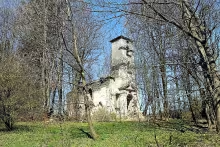
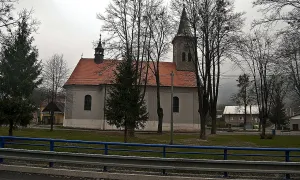
The Chapel of Saint Anne in Hutov, located in Jiříkov within the Moravskoslezský kraj region, stands as a historical monument with roots tracing back to 1894. This single-nave chapel, notable for its tower and extensive underground crypt, served dual purposes: it was both a place of worship and a burial site for nearby slate quarry owners. Its significance is underscored by its architectural features and the turbulent history that followed its construction.
The chapel's origins are tied to industrial growth in Bohemia during the late 19th century, particularly mining activities at Hutov. The region experienced significant development due to these industries, contributing to regional economic expansion. Built in this era of change, the Chapel of Saint Anne reflects both religious and practical needs of its time.
Architecturally, the chapel is a single-nave structure featuring a tower and a notably large underground crypt. This design served liturgical functions and accommodated burial requirements for quarry owners. The interior once boasted quality organs, altars, benches, railings, and frescoes, indicating its importance as a religious site.
Ownership of the chapel has remained with the church throughout its history. However, it faced dramatic changes in fortune starting in the early 1960s when vandalism began to take its toll. Vandals from Ostrava damaged the structure by breaking doors and stealing items, including a ring from the crypt. This period marked significant deterioration for the chapel.
Key events in the chapel's history include its use as a shelter by tramps who later set fire to its wooden structure, further contributing to its devastation. The chapel was fully functional until the 1950s when František Vaňák served Mass there. However, subsequent neglect and vandalism led to its decline.
Today, the Chapel of Saint Anne stands as a testament to both religious devotion and the harsh realities of industrial history. While it has suffered from years of neglect and vandalism, its historical significance remains intact. The chapel is part of the church's property, and while access may be limited due to its condition, visiting this site offers a glimpse into Hutov's past life and broader regional history.
The Chapel of Saint Anne in Hutov invites visitors to explore a piece of Bohemian industrial heritage, reflecting both spiritual aspirations and socio-economic challenges of its time. Its story is one of resilience amidst adversity, making it a compelling destination for those interested in historical monuments.
Historical milestones
- 1894
- Vznik kaple svaté Anny v Hutovu.
- 1950
- Poslední sloužení mše Františkem Vaňákem.
- 1960
- Začátek vandalizace kaple v důsledku činnosti z Ostravy.
Architectural development
Built in 1894, the Chapel of Saint Anne features a single nave with a tower and an extensive underground crypt. Initially well-maintained, it suffered significant damage from vandalism starting in the early 1960s.
Historical events
In the early 1960s, vandals from Ostrava damaged the chapel by breaking doors and stealing items.
The chapel was used as a shelter for tramps who set fire to its wooden structure.
Points of interest
- The Chapel of Saint Anne's underground crypt was unusually large for its time, serving not only as a burial site but also reflecting the chapel’s dual role in accommodating both spiritual and practical needs related to the local slate quarry industry.
- In an unexpected twist during the early 1960s, the chapel became a target for vandals from Ostrava who broke doors and stole items, including a ring from the crypt, highlighting tensions between different communities during that period.
Guide
Show guide text
Welcome to the Chapel of Saint Anne in Hutov, Jiříkov—a remarkable testament to history and architecture nestled here in this serene location. As you stand before this single-nave structure with its distinctive tower reaching towards the sky, take a moment to absorb the ambiance that surrounds it. The chapel's exterior tells stories of faith and community resilience, while its underground crypt whispers tales from beneath.
This sacred site was constructed in 1894, serving both as a place of worship and a final resting place for those involved with the nearby slate quarries—a dual purpose that reflects the intertwined nature of spirituality and labor during this period. The chapel's creation marked an era where local industries like quarrying were pivotal to the community’s livelihood, and it was here that workers found solace in faith.
Architecturally, while the original architects remain unknown, their vision is evident in the balanced proportions of the chapel. As you gaze upon its facade, notice how the structure harmoniously blends with the natural landscape—a testament to thoughtful design. The tower adds a vertical dimension that draws your eyes upward, inviting contemplation and reflection.
The interior once held treasures such as quality organs, altars, benches, and railings—elements of devotion now lost to time but remembered through historical accounts. These features would have created an atmosphere of reverence and beauty, enhancing the spiritual experience for those who gathered here.
A key figure in this chapel's history is František Vaňák, who conducted the last mass service here in 1950. His dedication to maintaining the chapel’s religious functions during its operational years speaks volumes about his commitment to faith and community.
An intriguing aspect of this site is its unusually large underground crypt. This space served not only as a burial site but also reflected the chapel's dual role, accommodating both spiritual needs and practical considerations tied to the local quarry industry—a fascinating insight into how religious sites can serve multifaceted purposes.
As you explore further, consider the chapel’s decline in the 1960s due to vandalism, particularly from individuals coming from Ostrava. This period marked a challenging chapter for the chapel, as neglect took its toll on what was once a thriving spiritual hub.
We invite you now to take your time and wander around this historical site. Reflect on its stories, feel the weight of history beneath your feet, and imagine the lives that intersected here over the decades. As you continue your journey through Jiříkov, let the memories of Saint Anne's Chapel accompany you, a reminder of resilience and faith in the face of time.
Thank you for visiting this cherished landmark. May your exploration be enlightening and inspiring as you uncover more about the rich tapestry of history that surrounds us.
Tips for visitors
The best time to visit the Chapel of Saint Anne in Hutov, Jiříkov is during late spring or early autumn when the weather is mild and pleasant for exploring outdoor sites. During these seasons, you can enjoy the natural beauty surrounding the chapel without the extreme temperatures of summer or winter. Additionally, visiting outside peak tourist seasons ensures a quieter experience, allowing you to appreciate the historical significance of the site more intimately.
Parking and transportation options are available for those wishing to visit the Chapel of Saint Anne. The area is accessible by car, with parking likely near the chapel itself due to its remote location. For visitors preferring public transport, it's recommended to use a combination of regional trains or buses that connect to nearby towns such as Rýmařov, followed by local transportation options. Always check current routes and schedules in advance to plan your journey effectively.
When visiting the chapel, consider bringing comfortable walking shoes for exploring the site and its surroundings, including any trails around the former settlement of Hutov. A camera is essential for capturing the unique architecture of the chapel and the scenic views from the area's slate quarries. Additionally, a light jacket or sweater may be useful due to variable weather conditions, especially in the cooler months.
Photography enthusiasts will find several spots around the Chapel of Saint Anne ideal for capturing its beauty. The best light is typically during the golden hours—shortly after sunrise and before sunset—when the chapel's features are illuminated softly. The tower provides a panoramic view that can be particularly striking in these lighting conditions. Be mindful to respect any photography restrictions, especially if you plan to capture images of the underground crypt.
For families with children visiting the Chapel of Saint Anne, consider planning additional activities nearby within a 30-minute drive or walk. Exploring the remnants of Hutov's slate quarries can be an educational and engaging experience for kids interested in geology and history. The natural landscape offers opportunities for outdoor play and exploration. Always ensure that children are supervised, especially near any quarry edges or historical ruins.
Businesses nearby
Do you run a restaurant, accommodation, shop, museum, rental, wellness or other visitor service near this monument? Show yourself directly to the people heading to it — this is how they will see you in the app and on the web:
Nearby
Hutov, once part of Jiříkov near Rýmařov, was an abandoned settlement known for its slate quarrying. The surrounding area includes the quarries and remnants of Hutov's past.
Accommodation nearby
Themed route
Thematic Walking Tour: Kaple svaté Anny Jiříkov and the Historical Hutov Slate Quarries
1. Kaple svaté Anny Jiříkov - Type: Chapel - Why Visit: Begin your journey at the charming Kaple svaté Anny Jiříkov, a serene chapel nestled in the former village of Jiříkov. This small yet significant structure offers a glimpse into the region's rich cultural and religious history. The chapel's peaceful ambiance provides an ideal starting point for reflection before exploring the surrounding historical landscape.
2. Hutov Slate Quarries - Type: Historical Site - Why Visit: A short walk from the chapel, you'll find yourself amidst the remnants of Hutov's slate quarries. These quarries are a testament to the area's industrial past and its role in the slate mining industry. As you explore these sites, imagine the bustling activity that once characterized this now-abandoned settlement. The rugged terrain and historical structures offer a unique opportunity to connect with the region's heritage.
3. Remnants of Hutov - Type: Archaeological Site - Why Visit: Continuing your exploration, visit the remnants of Hutov itself. This area provides insight into daily life in a once-thriving community centered around slate quarrying. The scattered remains of buildings and tools offer a tangible link to the past, allowing you to piece together stories of those who lived and worked here. Walking through these ruins is like stepping back in time, offering a poignant reminder of the area's transformation over the years.
This thematic walking tour not only highlights the historical significance of Kaple svaté Anny Jiříkov but also immerses visitors in the rich industrial heritage of Hutov. Each stop offers a unique perspective on the region’s past, making it an enriching experience for history enthusiasts and casual explorers alike.
Seasonal recommendations
Jaro: Kaple svaté Anny v Jiříkově nabízí jedinečný zážitek během jara, kdy je obklopena kvetoucím keřovím a stromy, které přinášejí živou barvu do okolního prostředí. Slunečné dny se mísí s chladnými deštěmi, což vytváří proměnlivou atmosféru, kde světlo padá na zchátralé stěny a zdůrazňuje jejich historickou krásu. Navštěvníci by měli očekávat mírný nárůst davů, zejména v sobotní dny, takže je vhodné přijít ranně, aby se užili klidnější atmosféry a získali nejlépe zachycené fotografie. Dřívější návštěva také poskytuje více času na prozkoumání okolní přírody, která začíná oživovat.
Léto: V letní měsících je kaple svaté Anny oslavou slunečného světla a tepla. Dlouhé, jasně osvětlené dny umožňují plnohodnotný pohled na její architektonické detaily v příjemném, měkkém slunečním světle. Letní období je také časem, kdy se zvýší počet návštěvníků, zejména ve středu týdne a v hlavních letních měsících kvůli přitažlivosti venkovských aktivit. Navrhuje se navštěvovat raně nebo později ve dne, aby bylo možné vyhnout se vrcholem davu a uvolnit se v klidnější atmosféře. Teplé oblečení je doporučeno pro plánované procházky po okolí.
Podzim: Podzim přináší kapli svaté Anny do zlatého a rudého odlesku, kdy se listy stromů mění barvu a padají kolem historických zdi. Atmosféra je mírně chladná, ale často slunečná, což poskytuje ideální podmínky pro fotografování a relaxaci uvnitř kaple. Navštěvující by mohli očekávat nižší počet dalších turistů než v létě, což znamená více prostoru k osobnímu prozkoumání památky. Je vhodné se obléknout tepleji a přinést deštník kvůli náhlým podzimním bouřím. Dřívější návštěva je také doporučena, protože otevírací doba může být omezena s přiblížením zimy.
Zima: Během zimy nabízí kaple svaté Anny melancholický a klidný zážitek, kdy je obklopena sněhovou dekorací nebo nádechem mlhy. Slunečné dny jsou vzácné, ale mohou poskytnout krásné světelné efekty na prázdných stromech a zchátralých strukturách kaple. Navštěvující by se měli připravit na chladný vzduch, protože otevírací doba je často omezena kvůli nízkým teplotám a možnému záclonování. Navštěvujícím by se mělo doporučit nosit teplé oblečení, včetně klobouku a rukavic, a plánovat svůj návštěv během nejjasnějších dní pro nejlépe zachycený zážitek. Navrhuje se přijít raně kvůli omezenému času otevření a možnému zavření v důsledku počasí.
Visualizations and artistic views

Vizualizace jsou generovány umělou inteligencí a slouží jako inspirace.
Tips from visitors
No tips yet. Be the first!
Log in and add your tip.


Reviews and comments