





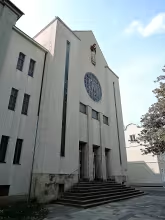
Husův Sbor in Prostějov is a remarkable example of architectural transformation and historical resilience. Situated in the town of Prostějov within Olomoucký kraj, this functionalist church was originally built as a synagogue in 1904. Its significance lies not only in its unique history but also in its adaptation from Jewish origins to serve the Hussite community after World War II.
The building's journey began in 1904 when it was constructed on what is now Husserlovo náměstí, replacing an older synagogue dating back to the 17th century. This period marked significant development for Jewish communities across Europe as they established important religious structures. However, during World War II, the Nazis repurposed the synagogue into a storage facility and closed it officially. Following the war, in 1946, the Church of Czechoslovak Hussites (CČSH) purchased the building. Between 1946 and 1949, Olomouc architect Hubert Aust transformed it into a functionalist church, reflecting broader societal changes and the reorganization of religious spaces in post-war Czechoslovakia.
Architecturally, Husův Sbor exemplifies the functionalist style, characterized by simplicity and practicality. The redesign by Hubert Aust preserved elements of its original structure while adapting it to meet the needs of a Christian congregation. This blend of historical layers makes the church not only an architectural curiosity but also a symbol of cultural adaptation.
Ownership of Husův Sbor transitioned dramatically from the Jewish community, which originally built and maintained the synagogue, to the Church of Czechoslovak Hussites after its purchase in 1946. This change marked a significant shift in the building's purpose and identity, reflecting broader historical currents in post-war Europe.
The transformation of Husův Sbor into a Hussite church is one of its key events, illustrating how spaces can be repurposed to reflect changing societal needs and religious affiliations. The redesign by Hubert Aust during 1946-1949 stands out as a pivotal moment in the building's history, showcasing architectural ingenuity and cultural resilience.
Today, Husův Sbor remains an accessible site for visitors interested in exploring its rich historical narrative. Its location in Prostějov, a town known for its historical architecture and cultural heritage, adds to its appeal. The church is not only a place of worship but also a monument that invites reflection on the complex layers of history it embodies.
Visiting Husův Sbor offers a unique opportunity to witness the convergence of different architectural styles and historical periods. It stands as a testament to resilience and adaptation, making it a valuable site for those interested in both religious history and architectural evolution.
Historical milestones
- 17.0
- The original synagogue was built.
- 1904
- A new synagogue on Husserlovo Square was constructed.
- 1940
- The Nazis converted the synagogue into a warehouse.
- 1946
- CČSH purchased the building from the Nazis.
- 1949
- The conversion to a functional church was completed.
Architectural development
The building was originally constructed as a synagogue in 1904, replacing an older structure from the 17th century. During World War II, it was repurposed by the Nazis and later sold to the Hussite Church. Between 1946 and 1949, architect Hubert Aust redesigned it into a functionalist church.
Historical events
1904: Construction of the original synagogue on what is now Husserlovo náměstí.
1946-1949: Transformation into a Hussite church under architect Hubert Aust.
Owners
Originally owned by the Jewish community, it was sold in 1946 to the Church of Czechoslovak Hussites (CČSH).
Points of interest
- Despite its current role as a Hussite church, Husův Sbor was originally built in 1904 as a synagogue for the Jewish community of Prostějov, reflecting the vibrant Jewish cultural presence in early 20th-century Europe.
- The transformation from a synagogue to a functionalist church between 1946 and 1949 by architect Hubert Aust is notable not only for its architectural ingenuity but also because it symbolizes post-war shifts in religious and cultural identities in Czechoslovakia.
Guide
Show guide text
Welcome to Husův sbor in Prostějov, a remarkable testament to the region's layered history and architectural evolution. As you stand here, take a moment to absorb the unique blend of styles that characterizes this building. Originally constructed as a synagogue in 1904, it now serves as a functionalist church for the Church of Czechoslovak Hussites. Notice how its exterior reflects both its Jewish origins and its later adaptation, creating an intriguing visual dialogue between past and present.
Let's delve into its history. The original synagogue was built at the turn of the century to serve the vibrant Jewish community in Prostějov. This period marked a time when European cities were burgeoning with cultural diversity. However, during World War II, this place of worship faced desecration; it was repurposed by the Nazis as a storage facility in 1940. The end of the war brought significant change. In 1946, the Church of Czechoslovak Hussites acquired the building from the remnants of Nazi occupation. Under the guidance of Olomouc architect Hubert Aust, between 1946 and 1949, it was transformed into a functionalist church—a style characterized by simplicity and utility.
As you look around, observe how the architectural transformation is evident in its clean lines and lack of ornamentation—hallmarks of functionalism. The building's adaptation from a synagogue to a Hussite church involved significant changes that reflect both respect for its original purpose and a new spiritual direction. Pay attention to the way light enters through simple yet elegant windows, casting shadows that tell stories of transformation.
While we know little about specific individuals who influenced this conversion, the story of Husův sbor is one of resilience and adaptation—a narrative shared by many communities in post-war Europe. It stands as a symbol of cultural shifts and the enduring spirit of those who sought to reclaim and repurpose spaces for new beginnings.
Here's an intriguing aspect that might pique your interest: despite its current role, this building was part of Prostějov’s Jewish community fabric at the beginning of the 20th century. The synagogue mirrored a time when Jewish culture thrived in Europe, contributing to the rich tapestry of local heritage before the tragic events of World War II.
As we conclude our exploration of Husův sbor, I invite you to reflect on its history and architectural journey. Consider how this building has witnessed significant cultural shifts over more than a century. Feel free to wander around Prostějov and explore other historical sites that contribute to the town's unique story. Thank you for joining me on this insightful tour. Safe travels as you continue your journey through Olomoucký kraj!
Businesses nearby
Do you run a restaurant, accommodation, shop, museum, rental, wellness or other visitor service near this monument? Show yourself directly to the people heading to it — this is how they will see you in the app and on the web:
Nearby
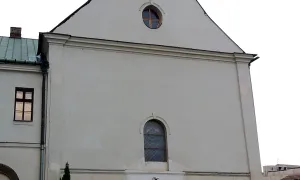
Husův sbor is located in Prostějov, a town known for its historical architecture and cultural heritage. The surrounding area includes other notable sites such as the Church of St. James.
Accommodation nearby
Trips and activities nearby
Guided tours, tickets and activities nearby from GetYourGuide
Search tours and activities →Themed route
Prostějov Thematic Walking Tour
1. Husův sbor (Church of St. John the Baptist) - Type: Church - Why Visit: Begin your journey at Husův sbor, a stunning example of Gothic architecture in Prostějov. This church is renowned for its historical significance and intricate design, offering visitors a glimpse into the town's rich cultural heritage.
2. Church of St. James - Type: Church - Why Visit: A short walk from Husův sbor, the Church of St. James stands as another architectural gem in Prostějov. Known for its beautiful Baroque elements and serene atmosphere, it provides a perfect opportunity to appreciate the town's religious artistry.
3. Prostějov Town Square - Type: Historic Site - Why Visit: Conclude your tour at the heart of Prostějov, where the town square offers a picturesque setting surrounded by historic buildings. This area is ideal for reflecting on the day's exploration and enjoying the vibrant local atmosphere.
This route provides an enriching experience through Prostějov’s historical and architectural highlights, focusing solely on its most notable sites.
Seasonal recommendations
Spring: Visiting Husův sbor v Prostějově during spring offers a unique experience as the surrounding landscape bursts into life with vibrant colors and blooming flowers, creating an idyllic backdrop for exploring this historic site. The mild weather invites visitors to enjoy outdoor activities nearby, such as walking through the rejuvenated parks or along the scenic trails that lead up to the church. It's advisable to wear comfortable layers, as temperatures can vary between cool mornings and warmer afternoons. Early morning visits are recommended to avoid larger crowds that gather later in the day, especially during weekends when locals and tourists alike take advantage of the pleasant weather.
Summer: The summer months bring an energetic atmosphere to Husův sbor v Prostějově as the church becomes a focal point for visitors drawn by its historical significance and architectural beauty. With longer daylight hours, you can fully appreciate the intricate details of the structure under the warm sunlight. However, this is also peak tourist season, so it's wise to arrive early in the morning or later in the afternoon to avoid crowds. Light, breathable clothing is essential for comfort during your visit, along with a hat and sunscreen to protect against the sun.
Autumn: Autumn at Husův sbor v Prostějově offers a serene and picturesque setting as the leaves change color, casting a warm glow over the historic church and its surroundings. The cooler temperatures make it an ideal time for leisurely exploration without the summer crowds. This season is perfect for photography enthusiasts looking to capture the stunning fall foliage that frames the building in rich hues of red, orange, and yellow. Wearing layers is advisable as the weather can be unpredictable, with crisp mornings giving way to milder afternoons.
Winter: The winter months transform Husův sbor v Prostějově into a tranquil haven, with snow often blanketing the landscape and adding a magical quality to the historic site. Inside, the church provides warmth and shelter from the cold, allowing visitors to appreciate its architectural details in a quiet, reflective atmosphere. Winter is an excellent time for those seeking solitude or looking to experience the church without the bustle of larger crowds. Dress warmly with layers, including a coat, hat, gloves, and scarf, as temperatures can be quite low. Be mindful that opening hours may be shorter during this season, so check in advance before planning your visit.
Visualizations and artistic views


Vizualizace jsou generovány umělou inteligencí a slouží jako inspirace.

Tips from visitors
No tips yet. Be the first!
Log in and add your tip.



Reviews and comments