





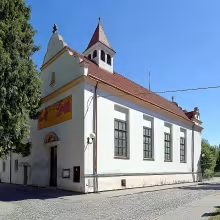
Husův sbor v Litovli is a prayer house of the Czechoslovak Hussite Church located in Husova Street, near Uničovský rybník, approximately 200 meters east of the town square in Litovel. This site stands as the youngest sacred architectural monument in the city, with its history deeply intertwined with the local Czech national movement. Originally constructed in 1892 as a Sokol gymnasium by architect Jan Kunčar, it was later transformed into a church in the early 20th century. The building's evolution from a physical education center to a religious site reflects significant cultural and historical shifts.
The origins of Husův sbor v Litovli date back to the late 19th century when the Sokol movement, emphasizing physical fitness and national identity, was gaining momentum in the Czech lands. In 1892, under Jan Kunčar's design, a Sokol gymnasium was erected on this site. The building's initial purpose as a space for gymnastics is evident from its architectural features, such as large windows typical of gymnasia. However, by the early 20th century, amidst broader political changes in Europe following World War I, there was a growing emphasis on cultural and religious identity among Czech communities. This period saw many secular buildings transformed into places of worship, reflecting the national movement's influence.
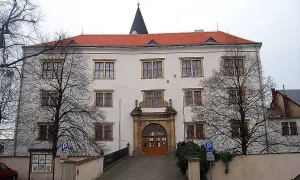
Architecturally, Husův sbor v Litovli retains elements from its time as a Sokol gymnasium while incorporating features typical of a Hussite church. The original structure featured large windows on its sides, characteristic of gymnasia. After World War I, when it served as a military hospital and suffered significant damage, the building underwent substantial modifications to serve religious purposes. A small tower with a bell was added during this transformation, enhancing its ecclesiastical character. Above the main entrance, an impressive sgrafito by academic painter František Doubrava adorns the facade. Inside, the church houses a wooden altar table with a pulpit, and above it is a wrought iron chalice. A large crucifix dominates the interior space, while seating for worshippers consists of chairs rather than pews.
Ownership and administration of Husův sbor v Litovli have seen several transitions reflective of its historical context. Initially built by Sokol in 1892, the building served various community functions until it was sold to the city of Litovel in 1919 after being used as a military hospital during World War I. In 1922, the Czechoslovak Hussite Church acquired the property, marking its transformation into a religious site. This transition resolved the church's need for a provisional worship space following disputes over the use of another local church.
Key events in the building’s history include its initial construction as a Sokol gymnasium and its subsequent conversion to a military hospital during World War I, which left it heavily damaged. The most significant transformation occurred when the Czechoslovak Hussite Church took ownership in 1922, leading to extensive renovations that culminated in its reopening as Husův sbor on September 4, 1927. This period was marked by artistic contributions such as František Doubrava’s sgrafito and the installation of busts of Jan Hus and Jan Amos Komenský, symbolizing the church's ideological foundations.
Today, Husův sbor v Litovli remains a vibrant place of worship for the Czechoslovak Hussite Church. It is open to the public during services held every Sunday, offering visitors an opportunity to experience its unique blend of historical and religious significance. The kolumbárium is accessible daily, providing further insight into the site's ongoing role in the community. Visitors are drawn not only by its architectural features but also by its rich history that encapsulates a pivotal era in Czech national identity.
Husův sbor v Litovli stands as a testament to the resilience and adaptability of cultural institutions through times of change. Its journey from a gymnasium to a cherished place of worship mirrors broader historical narratives, making it an intriguing destination for those interested in history, architecture, or religious studies. Visitors are encouraged to explore this site to appreciate its unique story and the enduring legacy of the Czech national movement.
Historical milestones
- 1927
- The building was reopened as Husův sbor after its conversion.
Architectural development
The original structure built in 1892 served as a Sokol gymnasium with large windows on its sides. After World War I, it was converted into a church by the Czechoslovak Hussite Church, featuring a small tower and sgrafito artwork above the main entrance. The interior includes a wooden altar table with a pulpit, a wrought iron chalice, and a large crucifix.
Historical events
- 1892
- Construction of the building as a Sokol gymnasium.
- 1919-1920
- The building served as a military hospital during World War I and was heavily damaged.
- 1927
- Reconstruction completed, and the building reopened as Husův sbor for religious services.
Points of interest
- Husův sbor v Litovli originally served as a Sokol gymnasium, reflecting the late 19th-century emphasis on physical fitness and national identity in the Czech lands before its transformation into a church.
- The building was heavily damaged during World War I when it functioned as a military hospital, necessitating significant architectural modifications to adapt it for religious use afterward.
Guide
Show guide text
Welcome to Husův sbor v Litovli, a remarkable testament to the rich tapestry of history and culture nestled in Litovel, Olomoucký kraj. As you stand here on Husova Street, near the serene Uničovský rybník, take a moment to absorb the unique atmosphere that surrounds this site. Originally conceived as a Sokol gymnasium in 1892 by the visionary architect Jan Kunčar, this building has undergone a fascinating transformation over the decades.
Imagine stepping into the late 19th century, where there was a burgeoning emphasis on physical fitness and national identity within the Czech lands. The original purpose of this structure resonated deeply with these ideals, serving as a hub for Sokol activities—a movement that championed both health and patriotism. However, as the winds of change swept through the early 20th century, so too did the building's destiny shift. In 1927, it was reborn as Husův sbor, marking its new chapter as a prayer house of the Czechoslovak Hussite Church.
As you gaze upon the structure now, notice how it harmoniously blends its historical roots with its current spiritual role. Though specific architectural details aren't extensively documented here, take this opportunity to appreciate the exterior and interior spaces that have witnessed such a remarkable evolution. The building's history is a reflection of the local Czech national movement, embodying the spirit of transformation from a center for physical education into a sacred space.
While no particular historical figures are directly associated with Husův sbor v Litovli, its story is interwoven with broader narratives of cultural and national identity. The building's journey through time mirrors the resilience and adaptability of the community it serves—a silent witness to both the challenges and triumphs faced by those who have walked these halls.
One intriguing aspect of this site is its wartime history. During World War I, when it functioned as a military hospital, the building endured significant damage. This period adds another layer to its rich historical tapestry, reminding us of the resilience required to preserve such spaces through times of turmoil.
As you continue your exploration, allow yourself to be immersed in the atmosphere that Husův sbor v Litovli exudes—a blend of history, spirituality, and community. Each corner holds stories waiting to be discovered, inviting you to delve deeper into its past and present.
Thank you for joining us on this journey through time and heritage. We hope your visit inspires a deeper appreciation for the cultural narratives that shape our world. As you move forward, may the spirit of discovery continue to guide your path.
Tips for visitors
The best time to visit Husův sbor v Litovli is during the late spring or early fall when the weather is pleasant, allowing you to enjoy both the interior of the prayer house and the surrounding natural beauty near Uničovský rybník. Visiting during these seasons also means fewer crowds, providing a more serene experience. The lighting inside the building can be particularly enchanting during these times, enhancing your photography opportunities.
Parking is available in the vicinity of Litovel’s town square, which is approximately 200 meters west of Husův sbor v Litovli. For those preferring public transport, there are options that connect to Litovel; however, it's advisable to check current routes and schedules through a transportation app or website. The area around the prayer house is pedestrian-friendly, making it easy to explore on foot once you've arrived.
When planning your visit, consider bringing comfortable walking shoes as you'll likely want to explore both the prayer house and the nearby Uničovský rybník. A camera or smartphone for photography is recommended, especially if you're interested in capturing the unique architecture of Husův sbor v Litovli and the natural scenery around it. Additionally, a light jacket might be useful as temperatures can vary throughout the day.
For photography enthusiasts, the best spots to capture the essence of Husův sbor v Litovli are from outside the building, where its architectural details stand out against the backdrop of Uničovský rybník. Early morning or late afternoon light provides a soft glow that beautifully highlights the structure’s features. Inside, if photography is permitted, look for angles that showcase the interior's unique design and historical elements.
Nearby, within a 30-minute drive from Husův sbor v Litovli, visitors can explore Litovel’s Gymnázium Jana Opletala, offering insights into local education history. The area around Uničovský rybník is perfect for families with children, providing opportunities for leisurely walks and picnics by the water. These spots offer a blend of cultural and natural attractions ideal for an enriching family outing.
Businesses nearby
Do you run a restaurant, accommodation, shop, museum, rental, wellness or other visitor service near this monument? Show yourself directly to the people heading to it — this is how they will see you in the app and on the web:
Nearby
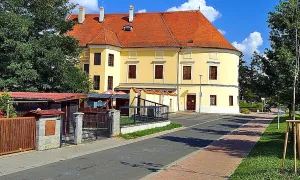
Husův sbor is located near Uničovský rybník, approximately 200 meters east of the town square. The area includes natural water features and is close to Litovel's Gymnázium Jana Opletala.
Accommodation nearby
Trips and activities nearby
Guided tours, tickets and activities nearby from GetYourGuide
Search tours and activities →Themed route
Tematická výletní trasa: Husův sbor a okolí Litovle
1. Husův sbor v Litovli (Kostel) Typ: Historická památka Proč stojí za návštěvu: Tento barokní kostel je nejstarším sakrálním stavbou ve městě a sloužil jako duchovní centrum pro husitské obyvatelstvo. Jeho významná historie a architektura nabízejí pohled na bohatou minulost Litovle.
2. Uničovský rybník Typ: Přírodní atraktivum Proč stojí za návštěvu: Tento rybník, nacházející se přibližně 200 metrů východně od Husova sboru, poskytuje klidné a pitoreskní prostředí pro relaxaci. Je ideálním místem k procházce nebo k pobytu na lodi, což nabízí krásný pohled na okolní krajinu.
3. Litovelské Gymnázium Jana Opletala Typ: Vzdělávací instituce Proč stojí za návštěvu: Toto gymnázium, nacházející se v blízkosti Husova sboru, je nejen důležitým vzdělávacím centrem, ale také místem s historickou hodnotou. Jeho architektura a role ve vzdělávání obyvatelstva Litovle přispívají k kulturnímu dědictví města.
Tato trasa nabízí kombinaci historie, přírody a vzdělávacích aspektů, což umožňuje návštěvníkům prozkoumat bohaté kulturní dědictví Litovle.
Seasonal recommendations
Spring: Visiting Husův sbor v Litovli during the spring offers a unique experience as nature begins to awaken around the historic church. The blooming of wildflowers and the fresh greenery provide a picturesque backdrop, enhancing the serene atmosphere of this architectural gem. As daylight extends into the evening, natural light beautifully illuminates the interiors, creating an ideal setting for photography enthusiasts or those seeking a tranquil exploration. Visitors should be prepared for occasional showers; therefore, carrying a lightweight raincoat is advisable. The weather can be unpredictable, so layering clothing will ensure comfort as temperatures fluctuate.
Summer: Summer at Husův sbor v Litovli is marked by vibrant daylight that accentuates the intricate details of the church's architecture, offering an immersive experience for history buffs and art lovers alike. This season often sees increased visitor numbers due to its popularity among tourists exploring the region during peak travel months. To avoid crowds, it’s recommended to visit early in the morning or later in the afternoon. Comfortable walking shoes are essential as you explore the surrounding areas, which may involve some hiking if you choose to venture into nearby nature trails. Don't forget sunscreen and a hat for protection against the sun.
Autumn: Autumn brings a stunning transformation to the landscape around Husův sbor v Litovli, with richly colored foliage creating an enchanting setting that complements the historic church’s architecture. The cooler temperatures make it a pleasant time for leisurely walks through the surrounding countryside or along the nearby riverbank. As daylight begins to wane earlier in the day, bringing a soft golden light to the interiors of the church, visitors can enjoy the serene ambiance without the summer crowds. Layered clothing is recommended to accommodate the changing weather, and carrying an umbrella might be wise due to occasional autumn rains.
Winter: The winter season at Husův sbor v Litovli offers a magical experience with snow-covered landscapes that provide a stark yet beautiful contrast against the church’s historic facade. Shorter days mean that natural lighting inside the church is softer and more subdued, creating an intimate atmosphere perfect for reflection or quiet contemplation. Visitors should dress warmly in layers to combat the cold temperatures, and be prepared for potential changes in opening hours due to weather conditions. The quieter winter months allow for a more peaceful visit, ideal for those looking to enjoy the tranquility of the season without large crowds.
Visualizations and artistic views


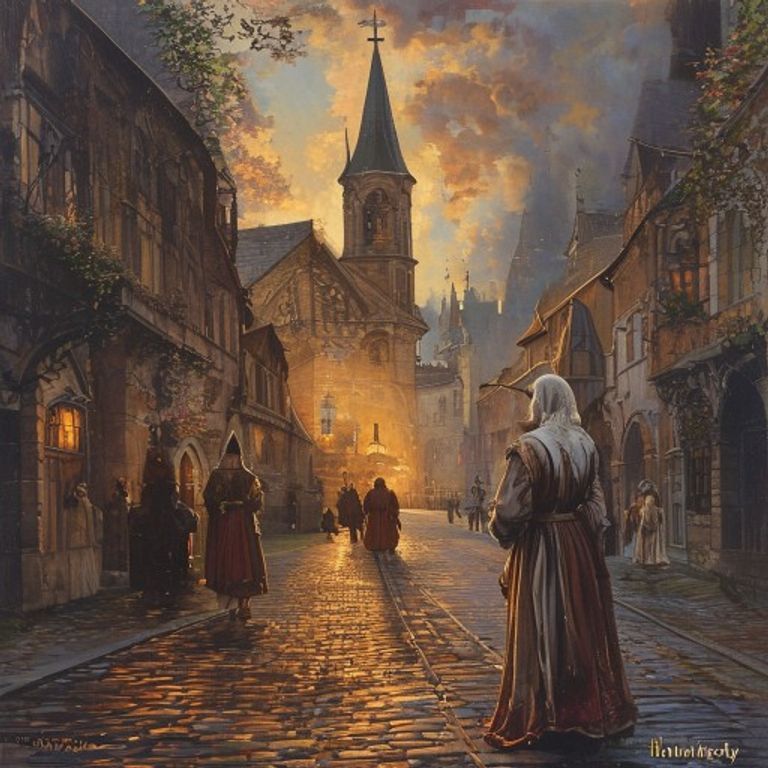
Vizualizace jsou generovány umělou inteligencí a slouží jako inspirace.


Tips from visitors
No tips yet. Be the first!
Log in and add your tip.
Location on the map


Příběhy a pověsti
Legendy, pověsti a příběhy spjaté s touto památkou
Reviews and comments