







The Evangelical Church in Hlučín stands as one of three protected historical monuments within this Moravian-Silesian town. Located at plot number 184 near the bus station on Opavská Street, it is a cultural landmark with significant architectural and historical value. Constructed between 1862 and 1863 for the local evangelical community, the church reflects both the religious aspirations of its founders and broader social changes in Europe during that period.
The Evangelical Church was built following a request from Hlučín's evangelicals who desired their own place of worship. This need arose amidst the mid-19th century European context marked by industrial transformation and burgeoning national independence movements. The foundation stone for this church was laid on June 3, 1862, under the direction of Vilém Wetekamp, an architect known for his work with Rothschild estates in Benešov. Remarkably, construction was completed swiftly, reflecting both the urgency of its purpose and the efficiency of its execution.
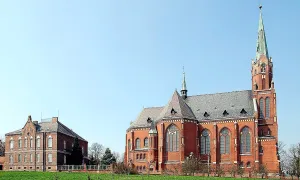
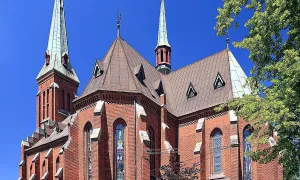
Architecturally, the Evangelical Church is a notable example of pseudo-Gothic style, characterized by its brick construction and Greek cross floor plan. The church features a polygonal tower topped with a spire at the intersection of the rooflines. Its façades are symmetrical, adorned with triple windows framed in arches, while the central window stands taller than the others. The entrance is marked by two-winged doors embellished with an ornate arch. Inside, the church boasts wooden ceilings and a small choir area, alongside a pulpit. A distinctive double brass chandelier hangs within, engraved with chalices, adding to its interior charm. The windows are fitted with colorful stained glass set in lead, enhancing the aesthetic appeal of the space.
Throughout its history, the Evangelical Church has undergone significant changes. Originally surrounded by a cemetery enclosed by a wall and gate, this area was closed and demolished in 1965, marking an end to one aspect of its historical setting. Despite these changes, the church remains a testament to the cultural and religious heritage of Hlučín.
Today, the Evangelical Church continues to be accessible to visitors who wish to explore its architectural beauty and historical significance. Its preservation as a cultural monument ensures that it remains an important site for both locals and tourists interested in the region's history and architecture. The church not only offers insights into 19th-century religious life but also stands as a symbol of community identity and resilience.
Visiting the Evangelical Church provides a unique opportunity to connect with Hlučín’s past, appreciating its architectural elegance and historical narrative. It is an invitation to explore a piece of Moravian-Silesian heritage that continues to resonate through time.
Historical milestones
- 1862
- Foundation stone laid for the Evangelický kostel.
Architectural development
The church, designed by Vilém Wetekamp, showcases a pseudosloppy style with brick construction. It features a Greek cross layout, a polygonal tower, and decorative elements such as arch-framed windows and an ornate entrance. The interior includes wooden ceilings, a small choir, and a pulpit.
Historical events
1862: Foundation stone laid for the Evangelický kostel.
1965: The surrounding cemetery was closed and demolished.
Points of interest
- The Evangelical Church in Hlučín was constructed during a period of significant social change in Europe, reflecting the aspirations for religious independence and national identity among local communities. - Architect Vilém Wetekamp, known for his work with Rothschild estates in Benešov, directed the construction of the church, showcasing his architectural versatility across different regions.
Guide
Show guide text
Welcome to the Evangelický kostel in Hlučín, a remarkable cultural monument that stands as a testament to architectural ingenuity and historical significance. As you stand here, take a moment to absorb the grandeur of this structure before you. The church's symmetrical façades catch the light beautifully, inviting you to explore further.
Constructed between 1862 and 1863, this church was built during a time of significant social change in Europe. It emerged as a beacon for the local evangelical community, providing them with their own place of worship amidst aspirations for religious independence and national identity. The foundation stone laid in 1862 marked the beginning of its journey to becoming an iconic symbol for the people of Hlučín.
Architect Vilém Wetekamp, renowned for his work on Rothschild estates in Benešov, masterfully designed this church with a Greek cross floor plan. As you look around, notice the polygonal tower that rises gracefully towards the sky, capped by a striking spire. The façades are adorned with triple windows, adding to its symmetrical beauty and inviting light into the sanctuary.
While specific historical figures associated with this site remain unnamed, the church itself tells stories of resilience and community spirit. It stands as a reminder of the collective efforts that brought it to life during a pivotal era in European history.
One intriguing aspect is how this church reflects the broader social transformations occurring at the time. Its construction was not just about creating a place of worship but also about asserting cultural identity and independence within the region.
As you continue your exploration, let yourself be drawn into the atmosphere that surrounds this historic site. Feel free to wander around and soak in every detail, from its architectural nuances to the stories etched into its very walls.
Thank you for joining us on this journey through history. We hope this experience has enriched your understanding of Hlučín's cultural heritage. As you move forward, may you carry with you the spirit of discovery that this remarkable church inspires.
Tips for visitors
The best time to visit the Evangelický kostel in Hlučín is during late spring or early autumn, when the weather is mild and pleasant for exploring outdoor sites. These seasons offer a balance of comfortable temperatures and fewer crowds, allowing you to appreciate the church’s architectural details without the summer heat or winter chill. Additionally, visiting during these times can provide opportunities to see local flora in bloom around the area.
Parking and transportation options are convenient for visitors. There is parking available near the site, making it accessible by car. For those preferring public transport, the church is reachable via regional bus services. It's advisable to check current routes and schedules through a reliable travel app or website before your visit to ensure smooth transit.
When visiting the Evangelický kostel, consider bringing comfortable walking shoes as you may want to explore the surrounding area on foot. A camera with a zoom lens is recommended for capturing detailed architectural features of the church from various angles. Additionally, carrying a light jacket or sweater can be useful in case the weather changes unexpectedly.
For photography enthusiasts, the best spots to capture the Evangelický kostel are from its front and sides during the golden hour—shortly after sunrise or before sunset—when the natural lighting enhances the church’s architectural features. The soft, warm light at these times can create dramatic shadows and highlights that accentuate the pseudosloppy style of the building.
Nearby attractions within a 30-minute drive include other historical sites in the region, such as local museums or nature trails offering scenic views. These destinations provide additional context about the area's cultural heritage and natural beauty, making them ideal for visitors looking to extend their exploration beyond the church.
Businesses nearby
Do you run a restaurant, accommodation, shop, museum, rental, wellness or other visitor service near this monument? Show yourself directly to the people heading to it — this is how they will see you in the app and on the web:
Accommodation nearby
Themed route
Thematic Tour Route: Evangelical Church (Hlučín) and Surroundings
1. Evangelical Church (Hlučín) *Type:* Historical Religious Site *Why Visit:* This stunning example of neo-Gothic architecture is a central landmark in Hlučín, offering visitors a glimpse into the region's rich cultural heritage. The church's intricate design and historical significance make it a must-see for anyone interested in religious history or architectural beauty.
2. Local Historical Museum (Hlučín) *Type:* Cultural Institution *Why Visit:* Located within walking distance of the Evangelical Church, this museum provides insights into Hlučín's local history and cultural evolution. Exhibits highlight significant events and figures that have shaped the community, offering a deeper understanding of the region’s past.
3. Hlučín Town Square *Type:* Public Space *Why Visit:* The heart of Hlučín, this charming square is surrounded by historic buildings and serves as a vibrant gathering place for locals and visitors alike. It's perfect for enjoying a leisurely stroll while soaking in the town’s atmosphere and perhaps stopping at one of the nearby cafes or shops.
4. St. Wenceslas Chapel *Type:* Religious Site *Why Visit:* A short walk from the Evangelical Church, this chapel is another testament to Hlučín's religious heritage. Its serene setting provides a peaceful retreat and an opportunity to appreciate more of the town’s spiritual architecture.
5. Hlučín Park *Type:* Public Green Space *Why Visit:* Adjacent to the Evangelical Church, this park offers a tranquil environment for relaxation and reflection. It's ideal for visitors looking to unwind amidst nature after exploring the historical sites, with walking paths that provide picturesque views of the surrounding landscape.
This route provides a comprehensive exploration of Hlučín’s cultural and historical offerings, centered around its most significant landmarks.
Seasonal recommendations
Spring: The arrival of spring at Evangelical Church (Hlučín) brings a refreshing atmosphere as nature awakens around the historic structure. The surrounding landscape is adorned with vibrant wildflowers and budding trees, creating a picturesque setting for visitors. The soft, dappled sunlight filtering through the leaves offers an ideal lighting condition for photography enthusiasts. As spring temperatures can be variable, it's advisable to wear layers that can easily be adjusted throughout your visit. While crowds are generally moderate during this season, arriving early in the morning can provide a more serene experience.
Summer: Summer at Evangelical Church (Hlučín) is characterized by its lively atmosphere and lush greenery, making it an excellent time for those who enjoy exploring under clear blue skies. The church's architecture stands out beautifully against the vibrant backdrop of summer foliage. However, this season also attracts larger crowds, particularly during peak tourist hours. To fully appreciate the site without feeling rushed, consider visiting early in the morning or later in the afternoon when it is less crowded. Light clothing and comfortable shoes are recommended to navigate the grounds comfortably.
Autumn: The autumn season transforms Evangelical Church (Hlučín) into a warm and inviting destination with its rich tapestry of fall colors. The surrounding landscape becomes a canvas of reds, oranges, and yellows, providing a stunning contrast against the church's historic facade. This is an ideal time for photography or simply enjoying a peaceful walk amidst nature’s splendor. As days become shorter, planning your visit during daylight hours will ensure you make the most of your experience. Layered clothing is advisable to accommodate the cooler temperatures.
Winter: Winter at Evangelical Church (Hlučín) offers a serene and magical atmosphere as snow blankets the surrounding landscape, creating a picturesque scene that enhances the church's historic charm. The soft glow of sunlight reflecting off the snow can make for memorable photographs. However, winter conditions may affect accessibility, so it’s important to check ahead regarding opening hours or any potential closures due to weather. Dressing warmly in layers and wearing sturdy footwear is essential for comfort during your visit. Despite potentially fewer visitors, arriving early ensures you have ample time to explore the site before closing.
Visualizations and artistic views

Vizualizace jsou generovány umělou inteligencí a slouží jako inspirace.


Tips from visitors
No tips yet. Be the first!
Log in and add your tip.

Reviews and comments