





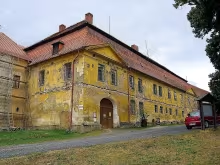
Chudenice Castle, located in the Plzeňský kraj region of the Czech Republic, evolved from a medieval fortress into a classical-style castle. Originally built in the fourteenth century, it underwent significant transformations during the Renaissance and Baroque periods before achieving its current appearance. The castle's history is closely linked to the Černín family, who owned it for several centuries. Today, it serves as a cultural monument and hosts various exhibitions.
The first written mention of Chudenice dates back to 1200. From the early 13th century until 1945, the settlement was continuously owned by the Černín family. The castle began as a Gothic fortress in the fourteenth century. Over time, it transformed into a Renaissance structure and later underwent significant renovations during the Baroque period. By around 1776, architect Karel Balling modified the castle to give it its present classical appearance, converting it into administrative offices for the local estate.
Ownership of Chudenice Castle has predominantly been within the Černín family lineage. Notably, in 1603, Adam and Jindřich Černín divided their father's estate, with Chudenice going to Adam. In 1622, Adam Černín was acquitted of charges related to the Bohemian Revolt. By 1666, Jan Heřman Černín had acquired full ownership after purchasing his brother’s share. The castle underwent a significant Baroque transformation in 1776 under Karel Balling.
One intriguing aspect of Chudenice Castle is its architectural evolution and preserved interiors. The Andělský (Angel) Room, dating back to around 1600, stands out as one of the few intact Renaissance interiors within the castle. This room exemplifies the artistic transition from medieval fortifications to a more refined classical style.
Today, Chudenice Castle is open to the public and offers guided tours, allowing visitors to explore its rich history and architectural beauty. The northern wing houses the Museum of Josef Dobrovský, adding cultural depth to the site. Its historical significance, combined with its picturesque setting in the Plzeň region, makes it a worthwhile destination for those interested in Czech heritage.
Chudenice Castle stands as a testament to the architectural and historical transformations that have shaped the region over centuries. It invites visitors to step back in time and experience the legacy of the Černín family and the evolution of this remarkable site. Whether drawn by its storied past or cultural offerings, Chudenice Castle is a must-visit for anyone exploring the Czech Republic's historical treasures.
Historical milestones
- 1603
- Adam and Jindřich Černín divided their father's estate, with Chudenice going to Adam.
- 1622
- Adam Černín was acquitted of charges related to the Bohemian Revolt.
- 1666
- Jan Heřman Černín acquired full ownership of Chudenice after purchasing his brother's share.
- 1776
- The castle underwent a Baroque transformation under architect Karel Balling.
Architectural development
Chudenice Castle began as a Gothic fortress in the fourteenth century. It was later transformed into a Renaissance structure, with significant renovations occurring during the Baroque period. The current classical appearance resulted from modifications made around 1776 by architect Karel Balling. These changes included converting the castle into administrative offices for the local estate.
Historical events
1603: Adam and Jindřich Černín divided their father's estate, with Chudenice going to Adam.
1622: Adam Černín was acquitted of charges related to the Bohemian Revolt.
1666: Jan Heřman Černín acquired full ownership of Chudenice after purchasing his brother's share.
1776: The castle underwent a Baroque transformation under architect Karel Balling.
Owners
Drslav z Chudenic (end of 13th century)
Černín family (14th century onwards)
Adam Černín (early 17th century)
Jan Heřman Černín (mid-17th century)
Humprecht Jan Černín (late 17th century onwards)
Points of interest
- Chudenice Castle's transformation into a classical-style castle involved architect Karel Balling, who played a crucial role in its redesign around 1776. His work significantly altered the castle's appearance from a Renaissance structure to one with a more refined classical style.
- The Andělský (Angel) Room is an exceptional feature of Chudenice Castle as it remains one of the few intact Renaissance interiors, offering visitors a rare glimpse into the artistic and architectural styles prevalent during that period.
Guide
Show guide text
Welcome to the historic Chudenice Castle, nestled in the picturesque Plzeňský kraj region of the Czech Republic. As you stand before this grand structure, imagine stepping back through time into a world where history and architecture blend seamlessly.
Chudenice Castle began its story as a medieval fortress in the fourteenth century. Over the centuries, it has evolved significantly, reflecting the changing tides of history. By the seventeenth century, the castle became part of the Černín family's legacy, with Adam and Jindřich Černín dividing their father’s estate in 1603. Adam took ownership of Chudenice, marking a new chapter for this historic site.
As you look around, notice how the castle has transformed from its original medieval form into a classical-style edifice. This transformation was most notably influenced by architect Karel Balling, who in 1776 gave the castle its refined classical appearance. The Baroque elements he introduced are evident in the elegant symmetry and grandeur of the structure before you.
The history of Chudenice Castle is rich with intriguing figures and stories. Adam Černín, for instance, played a significant role not only in acquiring but also defending his estate during turbulent times like the Bohemian Revolt, from which he was acquitted in 1622. Later, Jan Heřman Černín acquired full ownership in 1666 after purchasing his brother's share, further cementing the family’s connection to this majestic castle.
As you explore, take a moment to appreciate the architectural details that have stood the test of time. Notice how each element tells a story of transformation and resilience. The classical style is evident in the harmonious proportions and decorative elements that adorn the building, inviting you to ponder the lives and times of those who walked these halls.
One fascinating aspect of Chudenice Castle's history is its connection to various members of the Černín family, each leaving their mark on this historic site. Figures like Děpolt Protiva Černín and Anna Mandaléna Hrzánová z Harasova are woven into its narrative, adding layers of intrigue and depth.
As you continue your exploration, let yourself be captivated by the castle's enduring legacy and architectural beauty. Each corner holds a story waiting to be discovered, inviting you to delve deeper into the past.
Thank you for joining us on this journey through time at Chudenice Castle. We hope this experience has enriched your understanding of its historical significance. As you move forward, may you carry with you the stories and memories of this remarkable place.
Tips for visitors
The best time to visit Chudenice Castle is during late spring or early autumn, when the weather is pleasant for exploring both the castle grounds and the surrounding landscapes. These seasons offer mild temperatures and vibrant natural scenery, enhancing your experience of this historic site. Additionally, visiting outside peak summer months can help avoid larger crowds, allowing for a more relaxed exploration.
Parking at Chudenice Castle is generally available near the entrance, making it convenient for visitors arriving by car. For those preferring public transport, the castle is accessible via regional bus services from nearby towns. It's advisable to check current transportation options online or through local travel resources before your visit to ensure a smooth journey.
When planning your visit, consider bringing comfortable walking shoes as there are several areas of the castle and grounds to explore on foot. A camera is also recommended to capture the stunning architecture and picturesque views. Since weather can be unpredictable, packing a light jacket or an umbrella may be wise, especially if you plan to spend time outdoors.
For photography enthusiasts, some of the best spots include the main courtyard and the castle's exterior walls, which offer excellent opportunities for capturing both architectural details and expansive landscapes. Early morning or late afternoon provides softer lighting conditions that can enhance your photos. Additionally, exploring the surrounding gardens can yield beautiful natural backdrops.
Nearby attractions within a 30-minute drive include the village of Švihov, known for its charming medieval architecture and historic church. The area also offers various natural features such as hiking trails through scenic landscapes, perfect for nature lovers looking to extend their visit beyond Chudenice Castle.
Businesses nearby
Do you run a restaurant, accommodation, shop, museum, rental, wellness or other visitor service near this monument? Show yourself directly to the people heading to it — this is how they will see you in the app and on the web:
Nearby
Chudenice Castle is surrounded by picturesque landscapes typical of the Plzeň region. Nearby are other historical sites such as the village of Švihov and various natural features that enhance its scenic appeal.
Accommodation nearby
Themed route
Chudenice Castle and Surroundings Tour
1. Chudenice Castle (Castle) Begin your journey at the iconic Chudenice Castle, a stunning example of Renaissance architecture nestled in picturesque landscapes typical of the Plzeň region. The castle's rich history and elegant design make it a must-visit for anyone interested in cultural heritage.
2. Village of Švihov (Historical Site) A short drive from Chudenice Castle, the village of Švihov is renowned for its well-preserved medieval architecture and historical significance. Explore the charming streets and visit the local church to experience a slice of history that complements your castle tour.
3. Chudenice Park (Natural Feature) Adjacent to Chudenice Castle, the park offers serene landscapes perfect for leisurely strolls or picnics. The natural beauty enhances the scenic appeal of the area and provides a peaceful setting to reflect on your explorations.
4. Chudenice Local Museum (Museum) Located within the castle complex, this museum showcases artifacts and exhibits related to the history of Chudenice Castle and its surroundings. It's an excellent opportunity to delve deeper into the local culture and historical narratives that shaped this region.
5. Chudenice Nádvoří (Courtyard) Conclude your tour in the castle’s courtyard, where you can admire the architectural details up close and enjoy panoramic views of the surrounding landscapes. It's a perfect spot to capture memories of your visit to this enchanting part of Plzeňský kraj.
This thematic route offers a comprehensive experience of Chudenice Castle and its immediate surroundings, highlighting both historical and natural attractions in the area.
Seasonal recommendations
Spring: The arrival of spring at Chudenice Castle brings a refreshing atmosphere as the surrounding landscape begins to bloom with vibrant colors. The castle grounds are adorned with lush greenery and early blossoms, creating an idyllic setting for photography enthusiasts and nature lovers alike. During this time, the weather can be unpredictable, so it's advisable to dress in layers that can accommodate both warm sunshine and cooler breezes. While the crowds are generally moderate, arriving earlier in the day is recommended to fully enjoy the castle’s beauty before larger groups arrive.
Summer: Summer at Chudenice Castle offers a lively atmosphere with extended daylight hours perfect for exploring the expansive grounds. The lush gardens are in full bloom, providing picturesque scenes and a pleasant environment for leisurely strolls. This season also marks the peak tourist period; thus, it's wise to plan your visit early in the morning or later in the afternoon to avoid larger crowds. Comfortable walking shoes and light clothing are recommended due to the warm weather, along with sun protection such as hats and sunscreen.
Autumn: Autumn transforms Chudenice Castle into a stunning tapestry of reds, oranges, and yellows, making it an ideal time for visitors who appreciate the beauty of fall foliage. The cooler temperatures offer a comfortable climate for walking around the castle grounds without the summer heat. This season tends to have fewer tourists compared to summer, allowing for a more relaxed visit. Layered clothing is advisable as mornings can be chilly while afternoons remain mild.
Winter: Winter brings a unique charm to Chudenice Castle with its snow-covered surroundings and serene atmosphere. The castle takes on a magical quality under the soft glow of winter lighting, providing an enchanting experience for visitors. However, it's important to note that some areas might be closed due to weather conditions or maintenance during this season. Dress warmly in insulated clothing and wear sturdy boots suitable for potentially icy paths. Visiting early in the day is recommended as daylight hours are shorter, and certain facilities may have reduced operating times.
Visualizations and artistic views


Vizualizace jsou generovány umělou inteligencí a slouží jako inspirace.


Atmosphere of the place
Atmospheric visualization of the setting and era
Tips from visitors
No tips yet. Be the first!
Log in and add your tip.


Reviews and comments